Since its creation in 2009 by Melissa Urban, the Whole30 program has become a cultural phenomenon with millions of participants worldwide. Its premise is straightforward — eliminate potentially problematic food groups for 30 days, then systematically reintroduce them to identify which foods negatively affect your health, energy, and digestion. It is an elimination diet dressed in accessible language, designed for the general public rather than for clinical settings.
The program generates passionate opinions in both directions. Supporters describe life-changing improvements in energy, digestion, skin clarity, and chronic pain. Critics point to the lack of peer-reviewed clinical trials, the restrictive nature of the rules, and the potential for developing unhealthy relationships with food. The truth, as usual, falls somewhere between the extremes.
The Core Whole30 Rules
The Whole30 rules are intentionally strict during the 30-day elimination period. This rigidity serves a diagnostic purpose — by removing multiple potential triggers simultaneously and completely, you create a clean baseline from which to evaluate each food group during reintroduction.
For 30 days, you eliminate added sugar of all types (including honey, maple syrup, agave, coconut sugar, and artificial sweeteners), alcohol in any form (including for cooking), grains of all kinds (wheat, rice, corn, oats, quinoa, and everything in between), legumes (beans, lentils, peanuts, soy in all forms, and chickpeas), dairy (milk, cheese, yogurt, butter, and cream — though ghee and clarified butter are permitted because the milk proteins have been removed), carrageenan and sulfites (common food additives), and any food designed to recreate eliminated items using compliant ingredients (the "no SWYPO" rule — Sex With Your Pants On — meaning no pancakes made from bananas and eggs, no cauliflower pizza crust, and no almond flour baked goods, even though their ingredients are technically compliant).
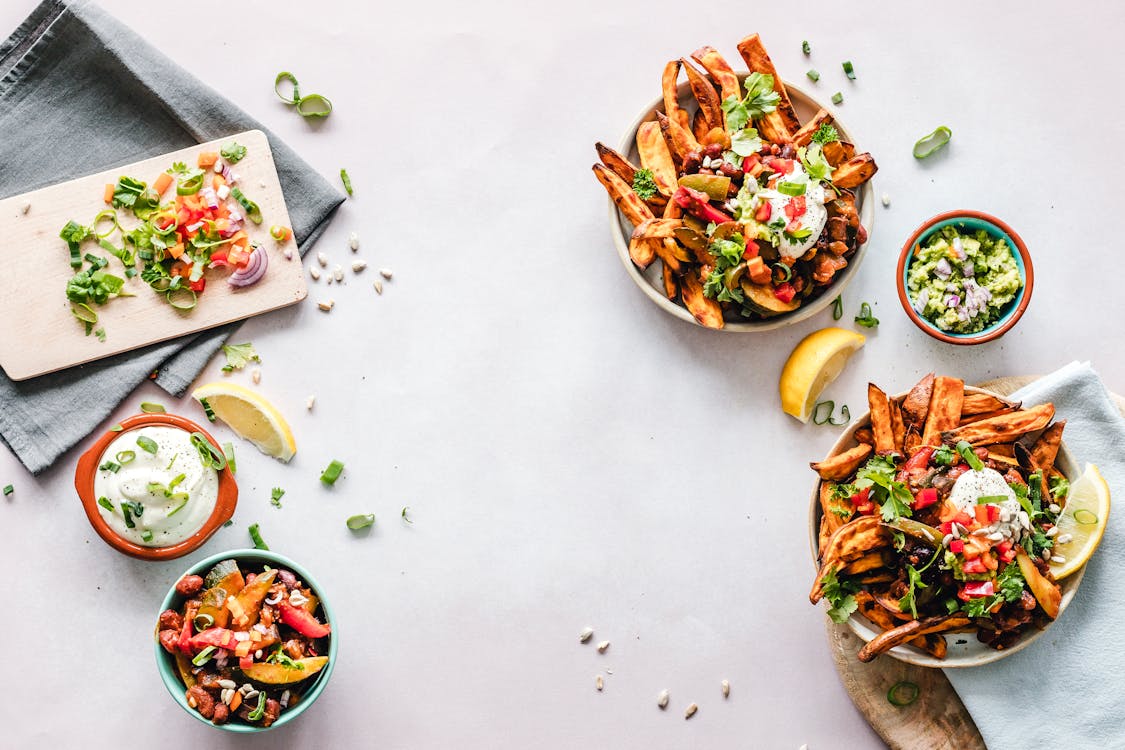
What you can eat includes meat, seafood, and eggs (ideally from quality sources — pasture-raised, wild-caught, grass-fed — though conventional options are acceptable), vegetables in abundant variety, fruits in moderate amounts, nuts and seeds (except peanuts, which are legumes), natural fats including olive oil, coconut oil, avocado oil, and ghee, herbs, spices, and seasonings without added sugar, and potatoes (which were added to the approved list after originally being excluded).
The program's most controversial rule is arguably the "no recreations" policy. The reasoning is psychological rather than nutritional — the goal is to break habitual food patterns and emotional attachments to certain food categories, not just to avoid specific ingredients. Making compliant pancakes every morning arguably maintains the pancake habit rather than creating space for new eating patterns.
What Happens During the 30 Days
Most Whole30 participants report a predictable pattern of experiences, which program creators have dubbed the "Whole30 Timeline."
Days one through three often feel exciting as the novelty of the program provides motivation. Meal planning requires effort, but most people manage without significant difficulty.
Days four through seven commonly bring what participants call the "hangover" phase — headaches, fatigue, irritability, and cravings. These symptoms likely reflect a combination of sugar and refined carbohydrate withdrawal, changes in caffeine intake (if you relied on sweetened coffee), and the psychological challenge of eating differently from your habitual patterns.
Days eight through fifteen are often described as the hardest stretch, with intense cravings for eliminated foods, possible digestive changes as your gut microbiome adjusts, and the social difficulty of navigating meals with friends and family. Digestive symptoms — including temporary constipation or loose stools — are common as your gut bacteria population shifts in response to dramatically altered fuel sources.
Days sixteen through twenty-five typically bring improvement. Many participants report increased energy, better sleep, reduced bloating, clearer skin, and improved mood during this window. These improvements may reflect the resolution of food sensitivities, reduced inflammation from eliminating processed foods and added sugar, more stable blood sugar levels, or simply the cumulative effect of eating more whole foods, vegetables, and protein.
Days twenty-six through thirty often bring what participants describe as "tiger blood" — a state of sustained energy, mental clarity, and physical wellbeing that motivates completion and makes the upcoming reintroduction feel important rather than like a countdown to freedom.
The Reintroduction Protocol
Like the low-FODMAP diet, Whole30's reintroduction phase determines which eliminated foods genuinely affect your body and which you can reintroduce without consequences. Skipping this phase — which many people do, either jumping back to unrestricted eating or staying permanently restricted — defeats the purpose of the entire exercise.
The standard reintroduction protocol tests one food group at a time over a 10-day cycle. On day one, reintroduce one food group throughout the day (for example, legumes at each meal). On days two and three, return to strict Whole30 eating while observing how you feel. This washout period catches delayed reactions. Then repeat with the next food group.
The recommended reintroduction order, starting with the food groups least likely to cause problems, is legumes (day one, then two-day washout), non-gluten grains such as rice, corn, and oats (day four, then two-day washout), dairy (day seven, then two-day washout), and gluten-containing grains (day ten, then two-day washout).
Sugar and alcohol are typically added back last because they affect virtually everyone's energy, sleep, and mood — making their impact obvious without formal reintroduction.
During each reintroduction day, pay attention to digestive symptoms (bloating, gas, pain, changes in bowel habits), energy levels and mental clarity, skin changes, sleep quality, joint pain or stiffness, and mood and emotional state.
What the Science Says
Here is where intellectual honesty requires distinguishing between what Whole30 specifically has been shown to do and what its component parts are known to do.
There are no published randomized controlled trials studying the Whole30 program itself. This is a legitimate criticism, though it should be noted that many dietary approaches used in clinical practice (including various elimination diets) similarly lack program-specific RCTs while being supported by the broader evidence base for their underlying principles.
The individual dietary changes that Whole30 promotes do have scientific support. Eliminating added sugar reduces caloric intake, improves insulin sensitivity, and is associated with improvements in metabolic markers across numerous studies. Reducing processed food consumption is consistently associated with reduced inflammation, better gut health, and improved metabolic markers in controlled feeding studies. The American Heart Association recommends limiting added sugar to no more than 6% of daily calories, and most Americans consume far more.
Elimination diets as a concept are well-established in clinical medicine for identifying food sensitivities and intolerances. The principle of removing potential triggers, allowing symptoms to resolve, and then systematically reintroducing foods is exactly how clinical elimination diets work in gastroenterology and allergy practice.
Increased vegetable and protein intake — which naturally occurs on Whole30 due to the removal of grains, legumes, and processed foods — is associated with better satiety, improved body composition, and more stable blood sugar in controlled studies.
The limitations of the scientific case include blanket grain elimination, which is not supported by evidence for the general population. Whole grains are associated with reduced cardiovascular disease risk, improved blood sugar control, and better gut health in epidemiological studies. Similarly, legumes are among the most health-promoting foods available, associated with longevity in Blue Zones populations and beneficial for gut microbiome diversity.
Removing these foods as a temporary elimination experiment is different from concluding they are inherently unhealthy. Whole30's creators acknowledge this distinction — the program is designed to identify individual sensitivities, not to label entire food groups as universally harmful.
Practical Meal Planning Strategies
Success on Whole30 depends heavily on preparation. The most common reason people quit or "accidentally" break rules is lack of available compliant food when hunger strikes.
Batch cooking proteins on weekends provides the foundation for the week. Roast a whole chicken, cook a large batch of ground beef or turkey, bake salmon fillets, and prepare hard-boiled eggs. These protein anchors can be combined with different vegetables and sauces throughout the week.
Sauces and dressings require attention because most commercial versions contain sugar, soy, or dairy. Making your own compliant ranch dressing, chimichurri, tahini sauce, and basic vinaigrette in advance transforms plain protein-and-vegetable meals into satisfying, varied dishes.
Emergency foods for moments when you cannot prepare a meal include Whole30-compliant meat sticks or jerky (check labels carefully — most contain sugar), mixed nuts, fresh fruit, hard-boiled eggs, guacamole with vegetable sticks, and compliant canned tuna or salmon packets.
Dining out is possible but requires planning. Focus on restaurants that prepare food from scratch rather than chain restaurants relying on pre-made sauces and seasonings. Order grilled proteins with vegetables, request olive oil and lemon instead of house dressings, and ask about ingredients in sauces and marinades. Most restaurants will accommodate these requests.
Who Benefits Most From Whole30
The people most likely to experience meaningful benefits from Whole30 include those with unidentified food sensitivities causing chronic digestive symptoms, skin problems, or joint pain. The elimination-reintroduction structure provides a systematic way to identify triggers that you might never connect to specific foods through casual observation.
People whose diets consist primarily of processed foods, added sugar, and restaurant meals often experience dramatic improvements simply from the shift to whole-food cooking. The Whole30 framework provides structure and motivation for making this shift, which many people struggle to accomplish through willpower alone.
Individuals interested in understanding their personal relationship with sugar, alcohol, and comfort foods may gain valuable self-awareness from 30 days without these substances. Many Whole30 participants report that the program's most lasting benefit is not identifying a specific food sensitivity but recognizing how much their eating habits were driven by routine and emotional triggers rather than genuine hunger or nutritional need.
Who Should Be Cautious
Whole30 is not appropriate for everyone. People with a history of eating disorders should approach with caution because the rigid rules and food categorization (compliant versus non-compliant) can trigger or reinforce disordered eating patterns. The all-or-nothing structure — where a single accidental bite of non-compliant food means "starting over" — is particularly concerning for people prone to perfectionism around food.
People with diabetes on medication should consult their physician before starting because the dramatic reduction in carbohydrate intake can cause hypoglycemia if medication doses are not adjusted. Similarly, athletes in heavy training may find the elimination of grains and legumes limits their carbohydrate availability for high-volume training.
Pregnant and breastfeeding women should not follow Whole30 without dietitian supervision because the restricted food groups could compromise nutrient intake during periods of increased nutritional demand.
After Whole30: Building Long-Term Habits
The most valuable outcome of a properly completed Whole30 — including full reintroduction — is personalized dietary information. You emerge knowing which foods serve your body well and which ones cause problems at specific doses. This information allows you to build a sustainable long-term eating pattern based on actual data from your own body rather than generic dietary rules.
The worst outcome is treating Whole30 as a cycle to repeat whenever you feel you have "fallen off the wagon" — using it as a punitive reset rather than a learning tool. If you find yourself doing Whole30 repeatedly without building lasting habits between rounds, the program has become a Band-Aid rather than a solution, and working with a registered dietitian to develop sustainable eating patterns may be more productive than another elimination cycle.
Used as designed — a one-time (or occasional) elimination experiment that yields personalized dietary insights — Whole30 can be a genuinely useful tool for understanding your body's responses to food. The key is completing all three phases, maintaining intellectual honesty about what the experience teaches you, and building long-term habits based on what you learn rather than oscillating between restriction and unrestricted eating.
Sources and Further Reading
Health and Beyond uses reputable medical and scientific sources where possible. These links support or expand on the topics discussed above.