The DASH diet — Dietary Approaches to Stop Hypertension — is one of the most unusual success stories in nutrition science. Unlike most popular diets that gain traction through celebrity endorsements, bestselling books, or social media virality, DASH emerged directly from National Institutes of Health-funded clinical trials. It has been studied in rigorous randomized controlled trials, proven to lower blood pressure as effectively as some first-line medications, and consistently ranked among the top overall dietary patterns by expert panels. Yet it remains remarkably unknown among the general public.
This guide explains why DASH works, who benefits from it (spoiler: it is not just people with high blood pressure), and how to implement it in a way that actually fits into real life.
The Research Behind DASH
The original DASH trial, published in the New England Journal of Medicine in 1997, randomly assigned 459 adults to one of three diets: a typical American diet, a diet enriched in fruits and vegetables, or the full DASH diet (rich in fruits, vegetables, low-fat dairy, and reduced in saturated fat and total fat). After just eight weeks, the DASH diet group showed significant blood pressure reductions compared to the control diet — an average reduction of 5.5 mmHg systolic and 3.0 mmHg diastolic.
The follow-up DASH-Sodium trial added another dimension by testing three levels of sodium intake (3,300 mg, 2,400 mg, and 1,500 mg daily) crossed with the DASH diet and a control diet. The results were striking: the DASH diet combined with the lowest sodium intake (1,500 mg daily) produced the largest blood pressure reductions — averaging 8.9 mmHg systolic in participants without hypertension and 11.5 mmHg systolic in those with hypertension. These reductions rival what many blood pressure medications achieve.
The National Heart, Lung, and Blood Institute formally endorsed DASH based on these trials, and it has since been incorporated into clinical guidelines from the American Heart Association, the American College of Cardiology, and numerous other medical organizations.
What makes DASH particularly compelling is that the blood pressure effects occur quickly — within two weeks — and are independent of weight loss. Participants in the original trials were fed enough calories to maintain their weight, eliminating weight change as a confounding variable. The blood pressure reduction comes from the dietary pattern itself.
How DASH Lowers Blood Pressure
DASH works through multiple complementary mechanisms rather than a single pathway, which is why it is more effective than simply reducing sodium alone.
The diet is naturally rich in potassium, magnesium, and calcium — three minerals that directly influence blood pressure regulation. Potassium counteracts sodium's blood-pressure-raising effects by promoting sodium excretion through the kidneys and relaxing blood vessel walls. Most Americans consume far less potassium than the recommended 4,700 mg daily, while consuming far more sodium than the recommended limit. DASH corrects this imbalance by flooding the diet with potassium-rich fruits, vegetables, and dairy while reducing sodium from processed foods.
Magnesium supports blood vessel relaxation and is involved in over 300 enzymatic reactions related to cardiovascular function. Calcium, primarily from dairy sources in DASH, contributes to blood vessel tone regulation. The combined effect of optimizing all three minerals exceeds what supplementing any single mineral achieves.
The reduction in saturated fat and increased fiber intake improve endothelial function — the ability of blood vessel walls to dilate and constrict appropriately. Dysfunctional endothelium is an early feature of hypertension and atherosclerosis. The polyphenols and antioxidants from DASH's abundant fruit and vegetable servings further support endothelial health.
The dietary pattern also reduces inflammation, a contributing factor to both hypertension and cardiovascular disease. By shifting the diet toward whole foods and away from processed items, DASH reduces the chronic low-grade inflammatory state that damages blood vessels over time.
DASH Diet Food Groups and Servings
Based on a 2,000-calorie diet, the DASH plan recommends specific daily and weekly serving targets for each food group.
Grains should total six to eight servings daily, with emphasis on whole grains. One serving equals one slice of bread, half a cup of cooked rice or pasta, or one ounce of dry cereal. At least half of grain servings should be whole grains — brown rice, whole wheat bread, oatmeal, and quinoa.
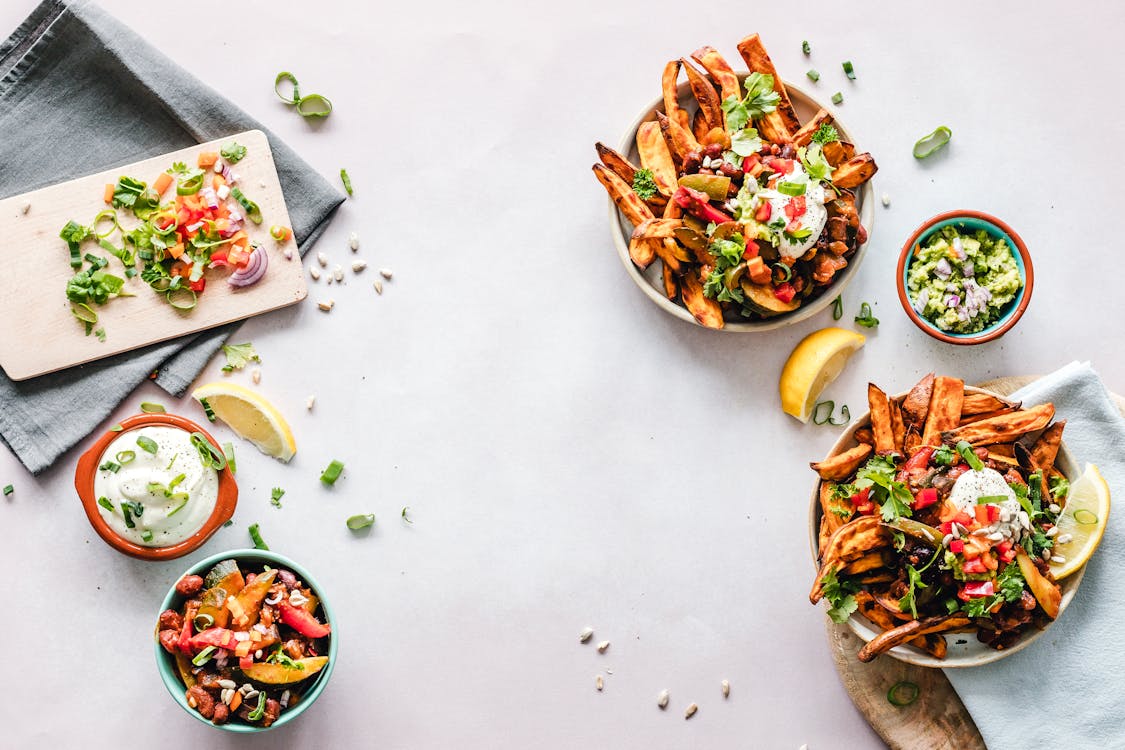
Vegetables should total four to five servings daily. One serving equals one cup of raw leafy vegetables, half a cup of cooked vegetables, or six ounces of vegetable juice. Focus on variety — dark leafy greens, tomatoes, carrots, broccoli, sweet potatoes, and squash.
Fruits should total four to five servings daily. One serving equals one medium fruit, half a cup of fresh or frozen fruit, or a quarter cup of dried fruit. Fresh whole fruits are preferred over juices, which concentrate sugars without the fiber.
Low-fat dairy should total two to three servings daily. One serving equals one cup of milk or yogurt or one and a half ounces of cheese. Fat-free or one percent milk, low-fat yogurt, and reduced-fat cheeses are emphasized. Dairy provides the calcium, potassium, and magnesium that contribute to DASH's blood pressure effects. People who cannot consume dairy can substitute calcium-fortified alternatives.
Lean meats, poultry, and fish should total six servings or fewer daily (one serving equals one ounce). Emphasis is on poultry, fish, and lean cuts with visible fat trimmed. Fish rich in omega-3 fatty acids (salmon, mackerel, herring) are particularly encouraged for additional cardiovascular benefits.
Nuts, seeds, and legumes should total four to five servings per week. One serving equals a third of a cup of nuts, two tablespoons of seeds, or half a cup of cooked legumes. These foods provide magnesium, potassium, protein, and fiber.
Fats and oils should total two to three servings daily. One serving equals one teaspoon of soft margarine, one tablespoon of mayonnaise, or two tablespoons of salad dressing. DASH limits total fat to 27% of calories, with emphasis on unsaturated fats from olive oil, canola oil, and nuts.
Sweets and added sugars should be limited to five or fewer servings per week. One serving equals one tablespoon of sugar, one tablespoon of jelly, or half a cup of sorbet. This is the most restrictive category, recognizing that added sugars provide calories without nutritional value.
Sodium should be limited to 2,300 mg daily on standard DASH, with an enhanced target of 1,500 mg daily for maximum blood pressure benefit. Since 75% of sodium in the typical American diet comes from processed and restaurant foods, the shift to home-prepared whole foods automatically reduces sodium intake substantially.
Benefits Beyond Blood Pressure
DASH's health benefits extend well beyond hypertension management, which is why nutrition experts consistently rank it among the top dietary patterns overall.
Heart disease risk reduction is supported by multiple large observational studies. The Nurses' Health Study and the Health Professionals Follow-up Study both found that higher adherence to DASH-style eating patterns was associated with significantly reduced risk of coronary heart disease and stroke over decades of follow-up.
Type 2 diabetes risk is reduced by DASH adherence. A meta-analysis of prospective cohort studies found that DASH-style eating reduced Type 2 diabetes risk by approximately 20%. The mechanism involves improved insulin sensitivity from the combination of whole grains, fiber, and reduced refined carbohydrate intake.
Kidney disease progression slows with DASH adherence in people with mild to moderate chronic kidney disease, though people with advanced kidney disease should consult their nephrologist because the diet's high potassium content may be problematic when kidney function is severely impaired.
Weight management benefits from DASH's emphasis on satiating foods — protein, fiber, and whole grains promote fullness and reduce overall calorie intake without deliberate caloric restriction. Studies combining DASH with calorie targets produce greater weight loss than either approach alone.
Cognitive function may be protected by DASH-style eating. The MIND diet — a hybrid of DASH and Mediterranean diets specifically designed for brain health — has been associated with slower cognitive decline and reduced Alzheimer's risk in observational studies.
Making DASH Work in Real Life
The biggest barrier to DASH adherence is not understanding the diet — it is the practical challenge of eating dramatically more fruits, vegetables, and home-prepared foods than most people are accustomed to.
Start with the lowest-effort changes first. Swapping white bread for whole grain, replacing chips with nuts as a snack, and adding a serving of fruit to breakfast requires no cooking skill and minimal effort. These simple swaps begin shifting your dietary pattern toward DASH without overwhelming your routine.
Batch preparation of vegetables on weekends makes hitting the four to five daily servings dramatically easier during busy weekdays. Washing and chopping salad ingredients, roasting a sheet pan of mixed vegetables, and preparing raw vegetable sticks for snacking removes the friction that prevents vegetable consumption.
Flavor without sodium is the primary culinary challenge. Replace salt with herbs (basil, cilantro, dill, rosemary, thyme), spices (cumin, paprika, turmeric, cinnamon), aromatics (garlic, ginger, citrus zest, onion), and acid (lemon juice, vinegar, wine for cooking). After two to three weeks, your palate adapts and food tastes fully seasoned at lower sodium levels.
Track your progress with blood pressure monitoring. Home blood pressure monitors (validated devices cost $30 to $60) allow you to measure the dietary change's impact directly. Take morning readings before eating, in a seated position after five minutes of rest. Track the trend over weeks rather than reacting to individual readings.
DASH is not a temporary diet — it is a permanent eating pattern designed for lifelong cardiovascular health. Its strength lies in its flexibility and balanced approach. Unlike diets that eliminate entire food groups, DASH allows all foods in appropriate proportions, making it sustainable across decades. The evidence supporting it is among the strongest in all of nutrition science, and the benefits — lower blood pressure, reduced cardiovascular risk, better metabolic health — begin within weeks of making the transition.
Sources and Further Reading
Health and Beyond uses reputable medical and scientific sources where possible. These links support or expand on the topics discussed above.
- National Heart, Lung, and Blood Institutenhlbi.nih.gov