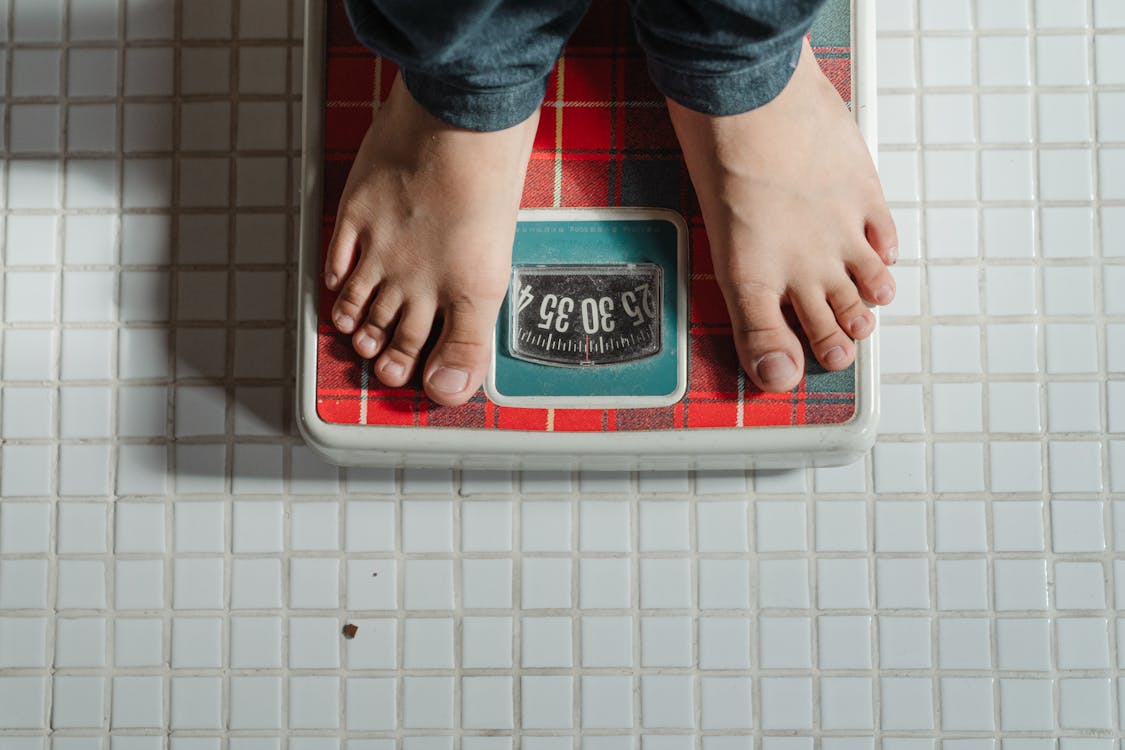
The bathroom scale has undergone a remarkable transformation. What was once a simple device that displayed a single number — your total body weight — has evolved into a connected health monitoring station that claims to measure body fat percentage, muscle mass, bone density, visceral fat, body water percentage, and sometimes more than a dozen additional metrics. Step on the sleek glass surface, wait a few seconds, and an app on your phone populates with a detailed body composition profile.
The marketing is compelling. The technology behind it — bioelectrical impedance analysis — is real. But the gap between what smart scale manufacturers promise and what these devices actually deliver with clinical accuracy is something every health-conscious consumer should understand before investing money and emotional energy into the numbers these scales produce.
This guide takes an honest look at smart scale technology. We explain how these devices work, which measurements you can reasonably trust, where significant accuracy limitations exist, and which scales deliver the best combination of useful data and long-term value for people serious about tracking their health.
How Smart Scales Measure Body Composition
Smart scales use bioelectrical impedance analysis to estimate body composition. When you step barefoot onto the metal electrode strips on the scale's surface, the device sends a tiny electrical current — completely imperceptible and harmless — through your body from one foot to the other. This current travels through your tissues at different speeds depending on tissue type, because different tissues conduct electricity differently.
Muscle tissue, which contains approximately 75 percent water and is rich in electrolytes, conducts electrical current easily. Fat tissue, which contains relatively little water, resists electrical flow. Bone has its own characteristic impedance. By measuring how quickly the electrical signal travels through your body and how much resistance it encounters, the scale determines a raw impedance value.
Here is where the critical distinction lies: the scale does not directly measure your body fat percentage. It measures electrical impedance — a single number representing the resistance your body presents to the electrical current. The body composition percentages you see on the app are derived from algorithms that apply the impedance measurement to population-based regression equations. These equations factor in your height, weight, age, and sex to estimate how much of your body is fat, muscle, water, and bone.
The accuracy of these estimates depends entirely on how well you match the population samples used to develop the algorithm. If you are a typical adult with average hydration levels and body composition distribution, the estimates tend to be reasonably close. If you are an athlete with unusually high muscle mass, elderly with altered body water distribution, or significantly under or overhydrated, the estimates can deviate substantially from your actual body composition.
What Smart Scales Get Right
Despite their accuracy limitations for absolute body composition values, smart scales provide genuinely useful health data when understood properly. Weight measurement remains the primary function, and modern smart scales measure weight with excellent precision — typically within 0.1 to 0.2 pounds of a medical-grade beam scale. This precision matters because weight trends over weeks and months provide clinically meaningful health information.
The true value of smart scale body composition measurements lies in trend tracking rather than absolute values. While the scale's body fat percentage reading may not match a DEXA scan to the decimal point, changes in that reading over time under consistent measurement conditions do correlate with actual body composition changes. If the scale shows your body fat trending downward over eight weeks while your muscle mass reading trends upward, those directional trends are likely real even if the specific percentages are approximations.
BMI calculation — body mass index derived from your weight and height — requires no bioelectrical impedance at all and is calculated with perfect accuracy from the data you provide during setup. While BMI has well-documented limitations as an individual health metric, population-level research consistently associates BMI ranges with health outcomes, making it a useful contextual data point alongside other measurements.
Smart scales that sync data to smartphone apps create a longitudinal record of your body metrics that is far more valuable than any single measurement. The ability to view your weight and body composition trends over months and years, correlate them with dietary changes or exercise programs, and share the data with healthcare providers transforms the bathroom scale from a source of daily anxiety into a genuine health monitoring tool.
Understanding Accuracy Limitations
Intellectual honesty about what smart scales cannot do is essential for using them without frustration or misguided health decisions. The most important limitation involves absolute body fat percentage accuracy. Research comparing consumer bioelectrical impedance scales against DEXA scanning — the clinical reference standard for body composition — consistently shows that consumer scales can deviate from DEXA results by three to eight percentage points for body fat measurement.
This means that if your smart scale reads 25 percent body fat, your actual body fat percentage could plausibly be anywhere from 17 to 33 percent. That range is wide enough to span the difference between lean and overfat by clinical standards. Treating the absolute number as gospel and making health decisions based on a single reading would be misguided.
Several factors cause measurement variability that has nothing to do with actual body composition changes. Hydration status produces the largest fluctuation — drinking a large glass of water before stepping on the scale, exercising heavily the previous day, consuming alcohol, or eating a high-sodium meal can shift body fat readings by two to four percentage points through hydration effects alone. Skin moisture affects electrode contact and impedance readings. The time of day matters because body water distribution shifts throughout the day with gravity and activity.
Foot placement on the electrodes introduces measurement variability. Standing slightly forward, backward, or asymmetrically on the electrode strips changes the path the electrical current takes through your body, altering the impedance reading and consequently the composition estimates. Some scales mitigate this with larger electrode areas, but the issue never fully disappears.
For metrics beyond body fat — including visceral fat rating, bone mass, and metabolic age — consumer scale accuracy drops further. These derived measurements rely on additional algorithmic assumptions layered on top of the already approximate impedance-based estimates. They provide interesting data points for trend observation but should not be treated as clinically accurate assessments.
Best Practices for Consistent Measurements
Accepting that smart scales provide approximate but trend-useful data, implementing consistent measurement practices minimizes the variability that obscures genuine body composition changes. These practices are more important than the specific scale you choose.
Weigh yourself at the same time every day — ideally first thing in the morning after using the bathroom and before eating, drinking, or exercising. This standardizes the major variables that affect both weight and impedance readings. Morning measurements after overnight fasting represent your most stable baseline hydration state, producing the most consistent readings.
Stand on the scale the same way every time. Place your feet symmetrically on the electrode strips, distribute your weight evenly, stand still without shifting, and remain in position until the measurement completes fully. Consistent positioning minimizes the electrode contact variability that affects impedance readings.
Weigh yourself unclothed or in consistent minimal clothing. Even light clothing affects weight readings, and socks prevent electrode contact entirely — rendering the body composition measurement impossible. If privacy concerns prevent weighing unclothed, wear the same minimal undergarments every time.
Track your measurements over weeks and months, not day to day. Daily weight fluctuations of one to three pounds are entirely normal and reflect fluid shifts, gut contents, and glycogen storage changes rather than actual fat or muscle gain. Weekly averages smoothed over months reveal genuine trends that single daily readings obscure.
Record the conditions of each measurement if anything unusual occurred — a heavy dinner the night before, an intense workout, poor sleep, illness, menstruation, or travel. These contextual notes help explain outlier readings that might otherwise cause unnecessary concern or false encouragement.
Top Smart Scales Worth Your Investment
The Withings Body Comp stands as the most comprehensive consumer body composition scale currently available. Using a multi-frequency bioelectrical impedance approach — which sends currents at different frequencies to better differentiate between intracellular and extracellular water — it provides more nuanced body composition estimates than single-frequency competitors. The scale measures weight, body fat, muscle mass, bone mass, body water, visceral fat, and vascular age. Its build quality is exceptional, the companion Health Mate app is well-designed, and it integrates seamlessly with Apple Health, Google Health Connect, and numerous third-party fitness platforms.
The Withings Body Smart offers a compelling mid-range option that delivers the core smart scale experience without the premium pricing of the Body Comp. It provides weight, body fat, muscle mass, bone mass, and water percentage through single-frequency BIA. The built-in color display shows trends directly on the scale face, and the app integration matches the Body Comp's excellent compatibility.
Garmin's Index S2 smart scale targets users already within the Garmin fitness ecosystem. It measures weight, BMI, body fat, skeletal muscle mass, bone mass, and body water. The key differentiator is its seamless integration with Garmin Connect, allowing weight and body composition data to appear alongside fitness tracker data, running metrics, and training load analysis in a unified dashboard. For Garmin wearable users, this ecosystem integration adds significant value.
The Renpho smart scale has earned a massive following through aggressive pricing that puts smart scale features within reach of virtually any budget. Despite costing a fraction of premium competitors, it measures 13 body composition metrics and connects to a well-designed app that tracks trends over time. It integrates with Apple Health, Google Fit, Samsung Health, and Fitbit. While its single-frequency BIA technology cannot match the multi-frequency accuracy of premium scales, the trend-tracking value remains strong at an accessible price point.
The Eufy Smart Scale P2 Pro from Anker offers another excellent value proposition with a clean design, reliable measurements, and integration with major health platforms. Its ITO coating covers the entire scale surface rather than just electrode strips, allowing measurements regardless of exact foot placement — a feature that improves measurement consistency compared to strip-electrode designs.
Beyond Weight: Using Scale Data Intelligently
The most productive relationship with your smart scale involves treating it as one data input within a broader health monitoring system rather than the sole arbiter of your health progress. Weight and body composition data become most meaningful when contextualized alongside other metrics.
Pair your scale data with progress photographs taken at consistent intervals — same lighting, same clothing, same poses. Visual changes that the scale cannot capture, such as improved muscle definition, reduced bloating, or better posture, provide qualitative data that complements the quantitative scale readings. Many people who see minimal weight change during a body recomposition phase — simultaneously losing fat and gaining muscle — can see dramatic visual differences that the scale alone would miss.
Track your performance metrics in the gym alongside scale data. Increasing strength, improving endurance, and achieving new physical capabilities matter enormously for health regardless of what the scale reads. A person who maintains stable weight while progressively lifting heavier weights is almost certainly improving their body composition even if the scale's body fat reading barely changes.
Waist circumference, measured with a simple tape measure at the narrowest point of your torso, provides a clinically validated indicator of visceral fat levels that many experts consider more reliable than any consumer scale's visceral fat estimate. Waist-to-hip ratio adds another dimension. These simple measurements cost nothing and provide health-relevant data that complements your scale readings.
Use your scale's app to set process-oriented goals rather than outcome-fixed targets. Instead of fixating on reaching a specific body fat percentage that the scale may not measure accurately enough to validate, focus on establishing consistent measurement habits and observing the direction of your trends over three to six month periods.
The Psychology of Stepping on the Scale
No discussion of smart scales is complete without addressing the psychological dimension of daily weigh-ins. For some people, regular weighing provides accountability and motivation that supports healthy behavior. Research from the National Weight Control Registry shows that successful long-term weight maintainers weigh themselves frequently — daily or near-daily — and this habit appears to help them catch small regains before they become large ones.
For others, daily scale interactions trigger anxiety, obsessive thinking, emotional eating in response to unfavorable numbers, and an unhealthy fixation on a single metric that reduces their entire health journey to a digital readout. People with a history of eating disorders or disordered eating patterns should approach daily weighing cautiously and discuss the practice with their mental health provider before establishing the habit.
The smart scale's multiple metrics can either help or hurt depending on perspective. Seeing that your weight stayed the same but your muscle mass increased and your body fat decreased tells a positive story that a simple scale would miss. Conversely, the additional numbers provide additional opportunities for obsessive tracking and emotional reactivity.
If daily weighing negatively affects your mental health, weekly or biweekly weigh-ins still capture meaningful trends. Some people benefit from having a partner or accountability buddy record their measurements so they can review monthly summaries rather than individual daily readings. Others set their scale app to show only weekly averages, hiding the daily fluctuations that cause the most distress.
The healthiest approach treats the scale as a feedback tool — like a speedometer in a car — that provides information you can act on without emotional attachment to any individual reading. The number is data, not a judgment. It informs your decisions about nutrition, exercise, and lifestyle without defining your worth or the success of your health journey.
Setting Up Your Smart Scale for Success
Proper initial setup maximizes the accuracy and usefulness of your smart scale investment. Place the scale on a hard, flat surface — tile, hardwood, or concrete. Carpet absorbs the scale's weight distribution and introduces measurement errors that can range from one to five pounds. If your bathroom is carpeted, consider keeping the scale in a hallway, kitchen, or other hard-floor location.
Enter your profile information accurately during app setup. Your height, age, and sex directly influence the body composition algorithms. An incorrect height entry of even one inch changes the BMI calculation and the impedance-based body composition estimates. If you use the scale in a household with multiple users, set up individual profiles so the device applies the correct demographic variables to each person's measurements.
Enable automatic data syncing with your preferred health platform — Apple Health, Google Health Connect, or your fitness tracker's companion app — during initial setup. This ensures your weight and body composition data flows into your unified health record without manual entry. Many nutrition tracking and fitness apps can also import smart scale data directly, enabling correlations between dietary intake, exercise habits, and body composition trends.
Allow two to three weeks of daily measurements to establish your personal baseline before drawing any conclusions about trends. Initial readings often fluctuate more widely as you establish measurement consistency, and the algorithms in some scales adjust their estimates as they accumulate more data points for your profile.
The best smart scale is ultimately the one you step on consistently. Premium features and multi-frequency impedance technology provide incrementally better estimates, but consistent daily use of a basic smart scale produces more actionable health insights than sporadic use of an expensive one. Invest in whatever device fits your budget and preference, establish a consistent measurement routine, focus on trends rather than individual numbers, and use the data as one tool among many in your ongoing health optimization journey.
Sources and Further Reading
Health and Beyond uses reputable medical and scientific sources where possible. These links support or expand on the topics discussed above.
- trend trackingcdc.gov
- visceral fathealth.harvard.edu