Telehealth has transformed from an emergency pandemic measure into a permanent fixture of modern healthcare delivery. What began as a necessity when in-person visits became impossible has proven its lasting value through convenience, accessibility, and surprisingly effective clinical outcomes for a broad range of health conditions. Millions of patients now routinely see their doctors through video calls, phone consultations, and asynchronous messaging platforms without ever leaving their homes.
The numbers tell the story of a fundamental shift. Telehealth utilization has stabilized at levels roughly 30 to 40 times higher than pre-pandemic baselines, with patient satisfaction rates consistently exceeding 85 percent across multiple surveys. Healthcare systems that initially adopted virtual visits reluctantly now recognize them as essential components of comprehensive care delivery. Insurance coverage for telehealth has expanded dramatically, with most major insurers covering virtual visits at parity with in-person appointments.
Yet many people remain uncertain about how to use telehealth effectively. Which conditions are appropriate for virtual visits? How do you prepare to get the most from a 15-minute video appointment? When should you insist on seeing a doctor in person instead? This guide answers these questions and more, helping you navigate the telehealth landscape with confidence.
How Telehealth Actually Works
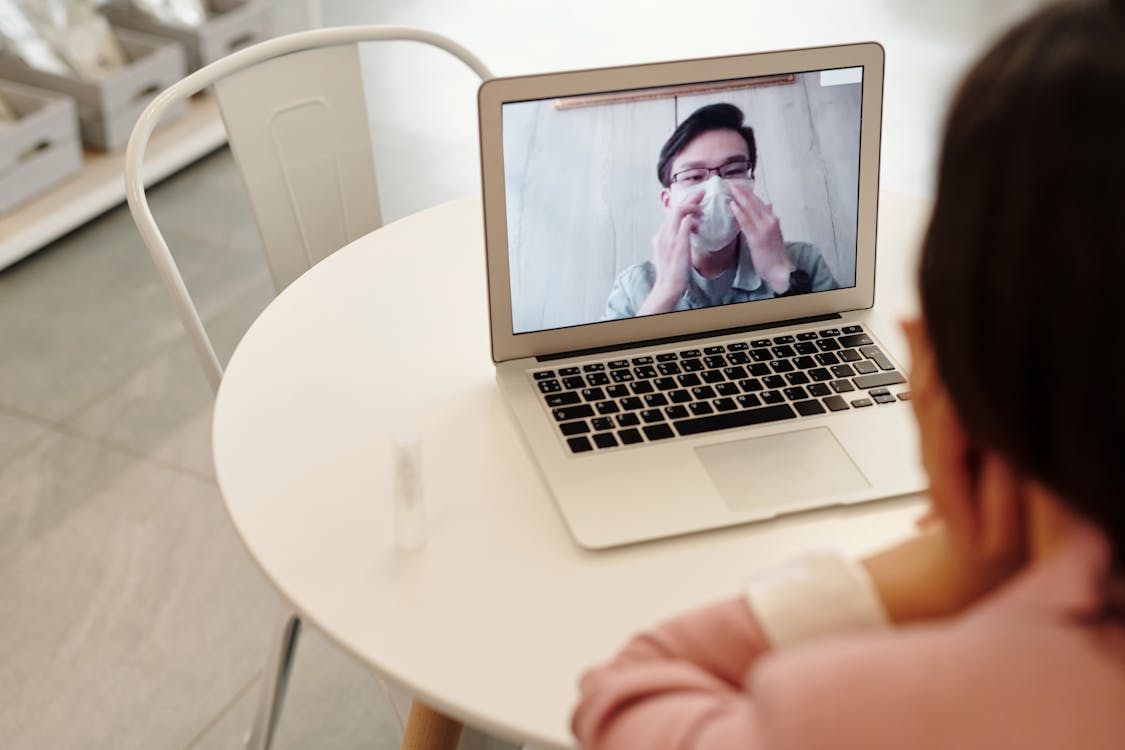
Telehealth encompasses several distinct service models, each suited to different clinical situations. Synchronous video visits — real-time face-to-face conversations between patient and provider through a secure video platform — represent the closest equivalent to a traditional office visit. You see your doctor, they see you, and the conversation flows naturally with the added benefit of the provider being able to observe your physical appearance, skin condition, range of motion, and other visual clinical information.
Phone-only consultations serve patients who lack reliable internet access, feel uncomfortable with video technology, or have conditions that do not require visual assessment. While less information-rich than video visits, phone consultations work well for medication management, lab result discussions, mental health counseling, and straightforward symptom evaluations.
Asynchronous telehealth — sometimes called store-and-forward — allows you to submit information to your provider outside of a real-time conversation. You might photograph a skin rash, complete a symptom questionnaire, or record a video of a movement problem. The provider reviews this information on their own schedule and responds with an assessment, treatment plan, or request for additional information. This model eliminates scheduling constraints and works particularly well for dermatology, non-urgent symptom evaluation, and prescription refill requests.
Remote patient monitoring represents the most technologically advanced telehealth model. Using connected devices — blood pressure cuffs, glucose monitors, pulse oximeters, weight scales, and wearable sensors — patients transmit physiological data to their healthcare team continuously or at regular intervals. Providers monitor this data stream and intervene when values fall outside acceptable ranges, enabling proactive management of chronic conditions without requiring office visits for routine monitoring.
Conditions That Telehealth Handles Well
Telehealth excels for a remarkably broad range of clinical scenarios. Understanding which conditions translate well to virtual care helps you make appropriate choices about when to schedule a video visit versus when to seek in-person care.
Mental health services have become the single largest telehealth category, and for good reason. Therapy sessions, psychiatric medication management, and counseling translate seamlessly to video format. Many patients actually report feeling more comfortable discussing sensitive topics from their own homes than in a clinical office. Research published in peer-reviewed journals has demonstrated that teletherapy produces clinical outcomes equivalent to in-person therapy for conditions including depression, anxiety, PTSD, and substance use disorders.
Skin conditions are surprisingly well-suited for telehealth. High-quality smartphone cameras capture sufficient detail for dermatologists to evaluate rashes, moles, acne, eczema flares, and other skin concerns. Studies comparing teledermatology diagnostic accuracy against in-person dermatology evaluation have found agreement rates above 80 percent for most common conditions. Many dermatologists now prefer initial evaluations through high-quality photographs, reserving in-person visits for procedures and conditions requiring hands-on examination.
Chronic disease management — including diabetes, hypertension, asthma, and thyroid disorders — works exceptionally well through telehealth, especially when combined with remote monitoring devices. Regular virtual check-ins to review blood sugar logs, blood pressure readings, symptom diaries, and medication effects maintain the continuous management these conditions require without the time and transportation burden of frequent office visits.
Upper respiratory infections, urinary tract infections, sinus infections, seasonal allergies, minor eye infections like conjunctivitis, and other straightforward acute illnesses can often be diagnosed and treated through a single telehealth visit. Providers evaluate your symptoms, review your medical history, and prescribe appropriate medications or recommend over-the-counter treatments — the same workflow that occurs in person, minus the waiting room.
Medication management visits — where the primary purpose is reviewing how a medication is working, adjusting doses, or addressing side effects — rarely require physical examination and are ideal for virtual delivery. This includes psychiatric medications, blood pressure medications, hormone replacement, and many other chronic medication regimens.
When In-Person Visits Remain Necessary
Recognizing the boundaries of telehealth is equally important as understanding its capabilities. Certain clinical situations require physical examination, diagnostic equipment, or hands-on intervention that no virtual platform can replicate.
Acute chest pain, difficulty breathing, signs of stroke, severe abdominal pain, high fevers with altered mental status, and other potential emergencies always warrant in-person evaluation at an emergency department or urgent care facility. Telehealth is not appropriate for ruling out life-threatening conditions that require immediate diagnostic testing.
Conditions requiring palpation — feeling for lumps, assessing tenderness location, checking lymph nodes, performing abdominal exams — generally need in-person visits for accurate evaluation. While a skilled telehealth provider can guide you through some self-examination techniques, the tactile information a trained clinician obtains through physical examination cannot be fully replicated remotely.
New or changing moles that raise skin cancer concerns should be evaluated in person where the dermatologist can use dermoscopy — a specialized magnifying instrument — and perform a biopsy if warranted. Annual well-child visits, comprehensive physical examinations, and cancer screening procedures such as colonoscopies, mammograms, and Pap smears require in-person attendance.
Musculoskeletal injuries where fractures or ligament tears are suspected need in-person evaluation with imaging capability. While a telehealth provider can assess your range of motion and pain patterns through video, confirming structural injuries requires X-rays, MRI, or ultrasound.
Preparing for Your Telehealth Appointment
The quality of a telehealth visit depends significantly on preparation — both technical and clinical. Taking fifteen minutes before your appointment to set up properly can mean the difference between a productive visit and a frustrating experience.
Technical preparation starts with ensuring your device is charged, your internet connection is stable, and the telehealth platform's app or website is installed and tested. Log into the platform at least ten minutes before your scheduled appointment time to resolve any technical issues without cutting into your clinical time. Position your device so your face is well-lit from the front — natural window light or a desk lamp works well — and at eye level rather than looking up at you from below. Use earbuds or headphones for better audio quality and privacy.
Choose a quiet, private location for your appointment. Background noise, family interruptions, and public settings all compromise the quality and confidentiality of your visit. If complete privacy is not possible, let your provider know at the beginning of the appointment so they can adjust their questioning accordingly.
Clinical preparation mirrors what you would do for an in-person visit but requires slightly more proactivity. Write down your symptoms, their duration, severity, and any patterns you have noticed. List all medications you currently take, including supplements and over-the-counter drugs — having the actual bottles within reach helps ensure accuracy. If you have been monitoring any health parameters — blood pressure readings, blood sugar values, weight, pain levels — have that data organized and ready to share.
For skin conditions, take clear photographs in good lighting before the appointment. Capture both close-up detail and wider-angle context showing the affected area relative to surrounding anatomy. Multiple angles help the provider assess the condition more accurately than a single photograph.
Prepare a concise list of questions you want addressed during the visit. The structured time of a telehealth appointment passes quickly, and having written questions ensures you cover everything important rather than remembering critical items after the visit ends.
Choosing the Right Telehealth Platform
The telehealth landscape includes your existing healthcare system's virtual visit option, large direct-to-consumer platforms, and specialized services focused on specific conditions. Each model offers different advantages depending on your situation.
Your primary care provider's telehealth option should be your first choice for ongoing care management, follow-up visits, and conditions where continuity of care matters. Your existing doctor knows your medical history, your medications, your preferences, and your health goals. A virtual visit with a familiar provider who has access to your complete medical record produces better clinical outcomes than a visit with a new provider who must start from scratch.
Most major health systems now offer integrated telehealth through patient portals like MyChart, allowing you to schedule virtual visits with your established providers, view your records, receive test results, and message your care team asynchronously. These platforms maintain your health information within your existing medical record, ensuring continuity.
Direct-to-consumer telehealth platforms — including services like Teladoc, MDLive, Amwell, and others — provide on-demand access to licensed physicians and specialists, often with minimal wait times. These services excel for after-hours urgent needs, travel situations, or accessing specialty care not available locally. Wait times for on-demand visits typically range from five to thirty minutes, providing near-immediate access to a physician when your regular provider is unavailable.
Specialized telehealth services have emerged for specific clinical areas. Platforms focused exclusively on mental health, dermatology, sexual health, hormone therapy, or chronic disease management employ providers with deep expertise in their respective niches. If your primary telehealth need falls within a specific clinical domain, these specialized services may provide more targeted expertise than general telehealth platforms.
Insurance Coverage and Cost Considerations
Telehealth insurance coverage has expanded dramatically and continues evolving. Most commercial insurance plans now cover telehealth visits at the same copay level as in-person visits for the same service. Medicare covers a broad range of telehealth services, and individual state Medicaid programs have increasingly adopted telehealth parity policies.
Verify your specific coverage before scheduling by calling the number on your insurance card or checking your plan's online portal. Key questions to confirm include whether your plan covers telehealth visits, what your copay or cost-sharing amount is, whether you need to use specific telehealth platforms or providers within your network, and whether there are restrictions on which conditions can be addressed virtually.
For people without insurance or with high-deductible plans, direct-to-consumer telehealth platforms often offer competitive self-pay pricing. Many urgent care telehealth visits cost between $50 and $100 without insurance — often less than an in-person urgent care copay and dramatically less than an emergency room visit. Some platforms offer subscription models that provide unlimited visits for a monthly fee, which can be cost-effective for people who anticipate frequent healthcare needs.
Prescription costs remain separate from the telehealth visit fee. If your provider prescribes medication during a virtual visit, the prescription is sent electronically to your pharmacy of choice just as it would be from an in-person visit. Your standard pharmacy insurance benefits apply to the prescription regardless of whether it originated from a virtual or in-person appointment.
Privacy and Security in Virtual Healthcare
Telehealth platforms used by licensed healthcare providers must comply with HIPAA regulations — the same federal privacy protections that govern in-person medical records. This means your telehealth visit content, medical information shared during the visit, and any data transmitted through the platform are legally protected from unauthorized disclosure.
However, your end of the security equation matters too. Conducting a telehealth visit over public WiFi, using a shared computer without logging out, or having the visit in a public space where others can overhear compromises your privacy regardless of the platform's technical security. Use your home WiFi or cellular data for telehealth visits, ensure your device has a screen lock enabled, and choose a private location for your appointment.
Be cautious of telehealth services that do not require HIPAA compliance or that operate primarily through consumer messaging platforms not designed for healthcare. Legitimate telehealth providers use encrypted, HIPAA-compliant platforms specifically designed for clinical communication.
Your telehealth visit becomes part of your medical record just like an in-person visit. Visit notes, diagnoses, prescriptions, and clinical decisions are documented and stored in accordance with medical record retention requirements. You have the same right to access and review your telehealth visit records as you do for any other medical documentation.
Making Telehealth Work for Chronic Conditions
Chronic disease management may represent telehealth's greatest long-term value. Conditions like diabetes, hypertension, heart failure, COPD, and chronic kidney disease require frequent monitoring and medication adjustments that historically demanded repeated office visits. Telehealth, especially combined with remote monitoring, enables more frequent touchpoints with less burden on the patient.
For diabetes management, sharing glucose monitor data with your provider through connected apps or uploaded reports allows detailed review of blood sugar patterns during virtual visits. Your provider can identify post-meal spikes, overnight trends, and medication timing issues from continuous glucose monitor data more effectively than from the snapshot of a single office-visit blood draw.
Hypertension management through telehealth combined with home blood pressure monitoring has shown clinical outcomes equal to or better than traditional office-based management in multiple studies. Taking blood pressure readings at home eliminates white coat hypertension — the phenomenon where blood pressure spikes in a medical setting due to anxiety — and provides a more accurate picture of your typical blood pressure throughout the day.
Mental health conditions benefit enormously from the reduced barriers that telehealth creates. Weekly therapy sessions become more sustainable when they do not require travel time, parking, and waiting room delays. Medication management for psychiatric conditions requires frequent adjustments during initial treatment and periodic reassessment during maintenance — visits that translate seamlessly to virtual format.
Establish a regular telehealth rhythm with your chronic disease management team. Monthly or quarterly virtual check-ins maintain the continuity of care that chronic conditions demand while respecting your time and energy. Keep a running log of symptoms, medication effects, and questions between visits so each appointment is maximally productive.
The Future of Telehealth
Telehealth technology continues advancing rapidly. Artificial intelligence-powered triage systems are improving the ability to direct patients to the most appropriate level of care before they even see a provider. Natural language processing helps providers document visits more efficiently, spending more time on clinical care and less on typing notes. AI-assisted diagnostic tools are being integrated into telehealth platforms to support clinical decision-making during virtual visits.
Peripheral devices designed for home use are expanding what can be assessed remotely. Digital stethoscopes that transmit heart and lung sounds to a remote provider, otoscopes that let parents capture ear images for pediatric evaluation, and portable ultrasound devices connected to smartphones are blurring the line between what requires in-person examination and what can be assessed virtually.
Integration between telehealth platforms, electronic health records, and consumer health devices is creating increasingly comprehensive remote health monitoring ecosystems. The future vision — where your wearable health data, home monitoring device readings, and virtual visit interactions feed into a unified health intelligence system that proactively alerts both you and your provider to developing health concerns — is closer to reality than most people realize.
Telehealth will not replace in-person healthcare, nor should it aim to. The physical examination, the procedural intervention, the complex diagnostic workup, and the human comfort of a provider's physical presence all retain irreplaceable value. What telehealth does accomplish — and will continue to accomplish with increasing sophistication — is eliminating unnecessary barriers between patients and the ongoing healthcare management that keeps them healthy. Learning to use this tool effectively today positions you to benefit from the even more powerful virtual care capabilities that tomorrow will bring.
Sources and Further Reading
Health and Beyond uses reputable medical and scientific sources where possible. These links support or expand on the topics discussed above.
- teletherapy produces clinical outcomesnimh.nih.gov
- HIPAA regulationshhs.gov