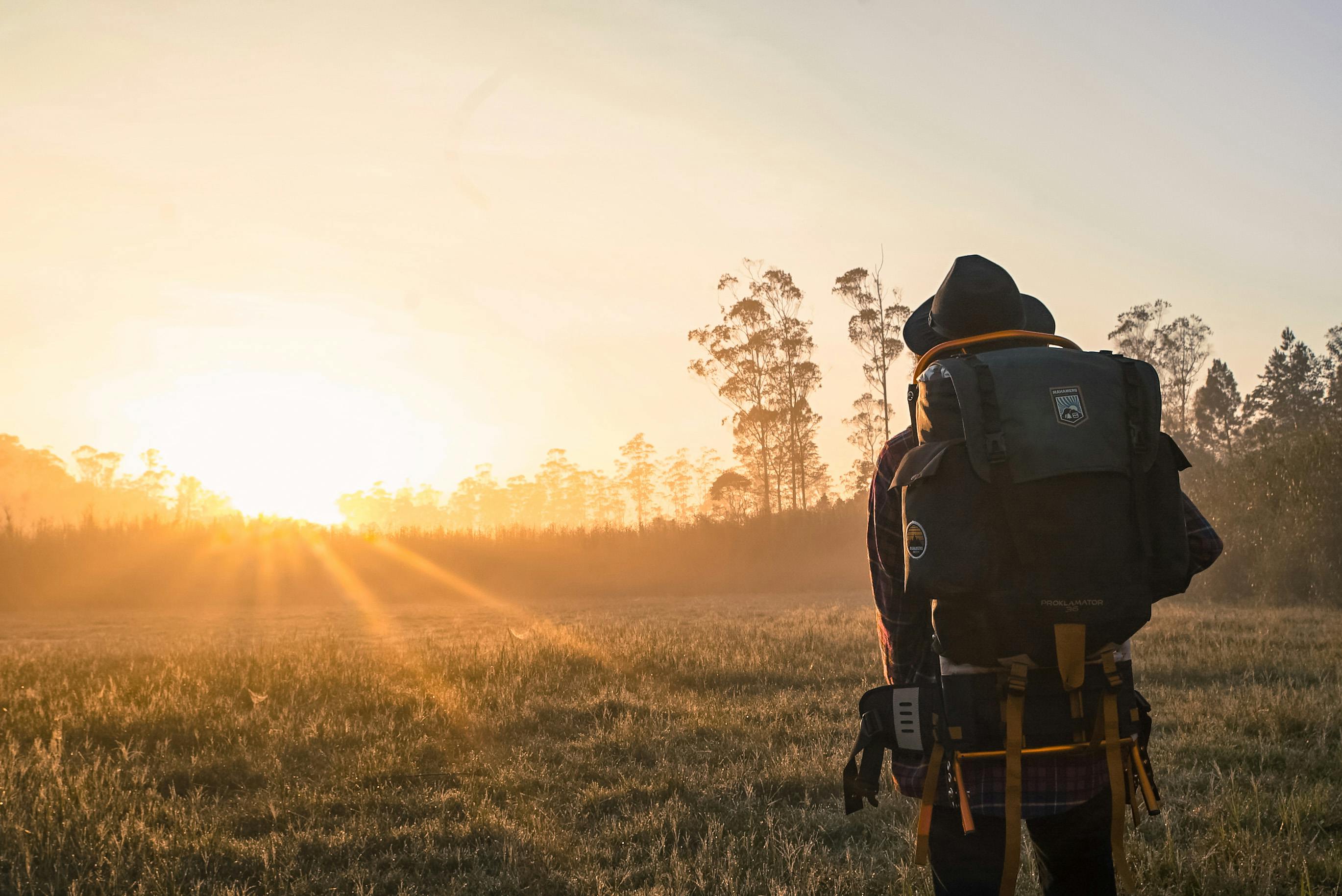
There is a rapidly growing fitness trend that looks suspiciously like something humans have been doing for most of recorded history: walking with weight on your back. Rucking, the practice of walking with a loaded pack, has moved from military training halls into mainstream fitness, and the research quietly confirms what soldiers, hikers, and farmers have known for generations. It is one of the most time-efficient, joint-friendly, and widely accessible ways to build strength, cardiovascular fitness, and resilience.
Unlike running, which punishes the joints of many adults, and unlike strength training, which requires a gym or equipment, rucking demands almost nothing and delivers more than most people expect. This guide explains what rucking actually does to the body, how to start, and why it may be the most useful single habit you can add to your week.
What Rucking Is
Rucking is walking with a weighted pack. That is the entire definition. Some people walk for ten minutes with a light load. Others cover long distances with substantial weight. Military selection programs and endurance events push rucking to extremes, but the accessible, health-focused version of rucking is closer to a brisk walk carrying a weighted backpack for thirty minutes to an hour.
The name comes from military slang, where a "ruck" refers to a rucksack, and rucking is the foundational movement of soldiers carrying equipment on foot. Civilian rucking has been popularised by companies selling purpose-built plate-carrier backpacks, by endurance event series, and by a growing body of social proof from everyday people who discover that it delivers more benefit than its simplicity suggests.
Why Rucking Works
Carrying weight while walking transforms the mechanics and metabolic cost of the activity. A few changes happen at once.
Energy expenditure rises sharply. Walking at a moderate pace with twenty percent of your body weight added can nearly double calorie burn per unit of time compared with unweighted walking. Over a forty-five-minute session, this can exceed the calorie cost of jogging for many people, without the joint impact.
Muscle recruitment increases. The load is distributed across the spine, shoulders, hips, and legs. The core, glutes, quadriceps, hamstrings, and calves all work harder. The postural muscles of the back and shoulder girdle engage continuously to stabilise the load.
Bone density improves. Weight-bearing walking, especially with extra load, is a well-established stimulus for bone remodelling. Over months, rucking can strengthen the spine, hips, and lower extremity bones, which matters enormously for long-term fracture risk.
Cardiovascular fitness develops. Heart rate and oxygen demand rise, producing aerobic training effects. Unlike steady-state jogging, rucking allows conversation at moderate loads, keeping most sessions in the easy aerobic zones often called zone two.
Grip strength quietly improves. Carrying a proper backpack, adjusting straps, and handling the load over longer distances builds hand and forearm strength, which as earlier discussion has shown correlates strongly with longevity.
Who Rucking Is For
Rucking works for almost everyone, but it is particularly valuable for certain groups.
- People returning to fitness after injury, illness, or long periods of inactivity. Starting with unloaded walks and adding small amounts of weight is a gentle way to increase training stimulus without the impact of running.
- Older adults concerned about bone density, muscle preservation, and balance. Rucking adds resistance to an activity most are already comfortable with.
- Runners wanting a low-impact aerobic day that still develops posterior chain strength.
- Desk workers looking for an efficient way to turn walking into a real training stimulus.
- New parents whose lives are already dominated by carrying babies and gear; structured rucking builds the strength to make the everyday work easier.
- Hikers and backpackers preparing for longer trips with pack weight.
How to Start
Rucking has a low barrier to entry. A simple backpack, a few books or a couple of water bottles as weight, and a pair of supportive shoes are enough. Dedicated equipment becomes worthwhile if you continue and want better comfort.
Weight Selection
Start conservatively. A common guideline is ten percent of your body weight for the first few weeks. For an 80-kilogram adult, that is 8 kilograms. Walk with this load for twenty to thirty minutes on flat ground, three to four times a week, for the first week or two.
Increase weight by a kilogram or two every one to two weeks as form and comfort allow. Over months, many adults build toward twenty to thirty percent of body weight for training sessions, with shorter heavier walks or longer lighter walks depending on goals.
For pure health and longevity benefits, most of your rucking can sit comfortably in the ten to twenty percent body weight range. Going heavier increases risk of overuse injury without necessarily delivering more benefit.
Pack Selection
A regular backpack works, but a purpose-built rucksack with a rigid frame, shoulder straps that distribute load onto the traps, and a chest and hip belt is more comfortable once weight increases. Plate-carrier style packs with dedicated steel or rubber weights sit close to the body and are the most comfortable at higher loads.
If using an ordinary pack, put soft padding between the weight and your back to prevent bruising. Position the weight high and close to the spine to reduce pull on the shoulders.
Footwear
Supportive shoes with some cushion are fine for lighter loads on paved surfaces. Hiking boots with ankle support become preferable for heavier loads on uneven terrain. Worn-out shoes increase risk of knee and foot discomfort; replace them as you would for running.
Terrain and Route
Start on flat, paved surfaces. Progress to mixed surfaces, gentle hills, and eventually steeper terrain if you enjoy it. Varying terrain improves balance, proprioception, and overall conditioning.
Programming Rucking Into a Week
A sensible template for most adults is three to five rucks per week, ranging from shorter walks of twenty to thirty minutes to a longer session on weekends of sixty to ninety minutes. Vary pace, load, and terrain across the week to distribute stress.
Example week:
- Monday: 30-minute ruck, 10 percent body weight, flat route
- Tuesday: strength training at home or gym
- Wednesday: 40-minute ruck, 15 percent body weight, mixed terrain
- Thursday: rest or mobility work
- Friday: 30-minute ruck, 15 percent body weight, hills
- Saturday: long ruck of 60 to 90 minutes, 15 to 20 percent body weight
- Sunday: easy walk without weight or rest
Common Mistakes
A few errors show up repeatedly among beginners.
Going too heavy too soon. Shoulders and knees are the usual first complaints when weight escalates faster than connective tissues can adapt.
Ignoring form. Maintain an upright posture, tall spine, relaxed shoulders, and natural stride. Avoid leaning forward into the load, which stresses the low back.
Wearing bad shoes. Shoes that lack support or have collapsed midsoles turn a low-impact activity into a joint stress event.
Rucking daily without recovery. Like any training, rucking generates adaptation during recovery. Back-to-back heavy loaded walks multiple days in a row often leads to overuse injury in the hips, knees, feet, or shoulders.
Neglecting the hip belt. Transferring some of the load to the hips dramatically reduces shoulder fatigue and makes longer rucks comfortable.
Health Benefits by Goal
Cardiovascular Health
Rucking at a conversational pace places most people in the aerobic zone where the heart adapts through improved stroke volume, better capillary density, and more efficient fat oxidation. Regular rucking several times a week produces resting heart rate reductions, blood pressure improvements, and better endurance over months.
Body Composition
Because rucking burns calories efficiently and stimulates muscle, it supports fat loss when combined with appropriate nutrition, without the loss of lean mass that aggressive cardio can produce.
Strength and Posture
Carrying load strengthens postural muscles, glutes, and legs over time. People with sedentary jobs often discover that several weeks of rucking noticeably improves standing posture and reduces lower back tightness.
Mental Health
Outdoor time, rhythmic movement, and moderate physical exertion all support mood, anxiety relief, and cognitive function. Rucking in nature compounds these benefits, and the simplicity of the activity makes it easy to continue during stressful life phases.
Bone Density
Loading the skeleton through rucking is a cheap and effective way to preserve and build bone density. This matters for anyone approaching midlife and beyond, particularly women whose fracture risk climbs after menopause.
Special Considerations
Pregnancy
Walking with light weight is safe and often encouraged during uncomplicated pregnancy, but loads should stay modest and pack fit should avoid abdominal compression. Discuss with a clinician, particularly in late pregnancy.
Joint Issues
People with significant knee, hip, or back problems should start without weight, add load very gradually, and consider professional guidance. For many joint conditions, rucking with appropriate progression is well tolerated and strengthens surrounding tissues, but early individualised advice prevents setbacks.
Chronic Conditions
Diabetes, heart disease, and many other conditions benefit from regular moderate activity including rucking. Medication and activity timing may need adjustment; work with your clinician.
Tracking Progress
Simple metrics capture most of what matters.
- Total rucking time or distance per week
- Pack weight over time
- Perceived exertion on consistent routes
- Resting heart rate trends
The Takeaway
Rucking is a genuinely elegant training method. It scales from very gentle to extremely demanding, works outdoors, demands minimal equipment, and delivers cardiovascular, strength, skeletal, and mental benefits in a single session. If you already walk for exercise, adding a thoughtfully loaded pack multiplies the return on each minute. If you have been looking for a way to train that does not punish your joints, rucking is almost certainly worth a trial.
Pick up a backpack. Put a few kilograms in it. Walk for thirty minutes. Do this a few times this week. In a couple of months, you may find it hard to imagine training any other way.
---
This article is educational. Consult a clinician before starting a new training program, particularly if you have joint, cardiovascular, or pregnancy-related considerations.
Sources and Further Reading
Health and Beyond uses reputable medical and scientific sources where possible. These links support or expand on the topics discussed above.
- CDC: Physical Activity Basicscdc.gov
- HHS: Physical Activity Guidelineshealth.gov