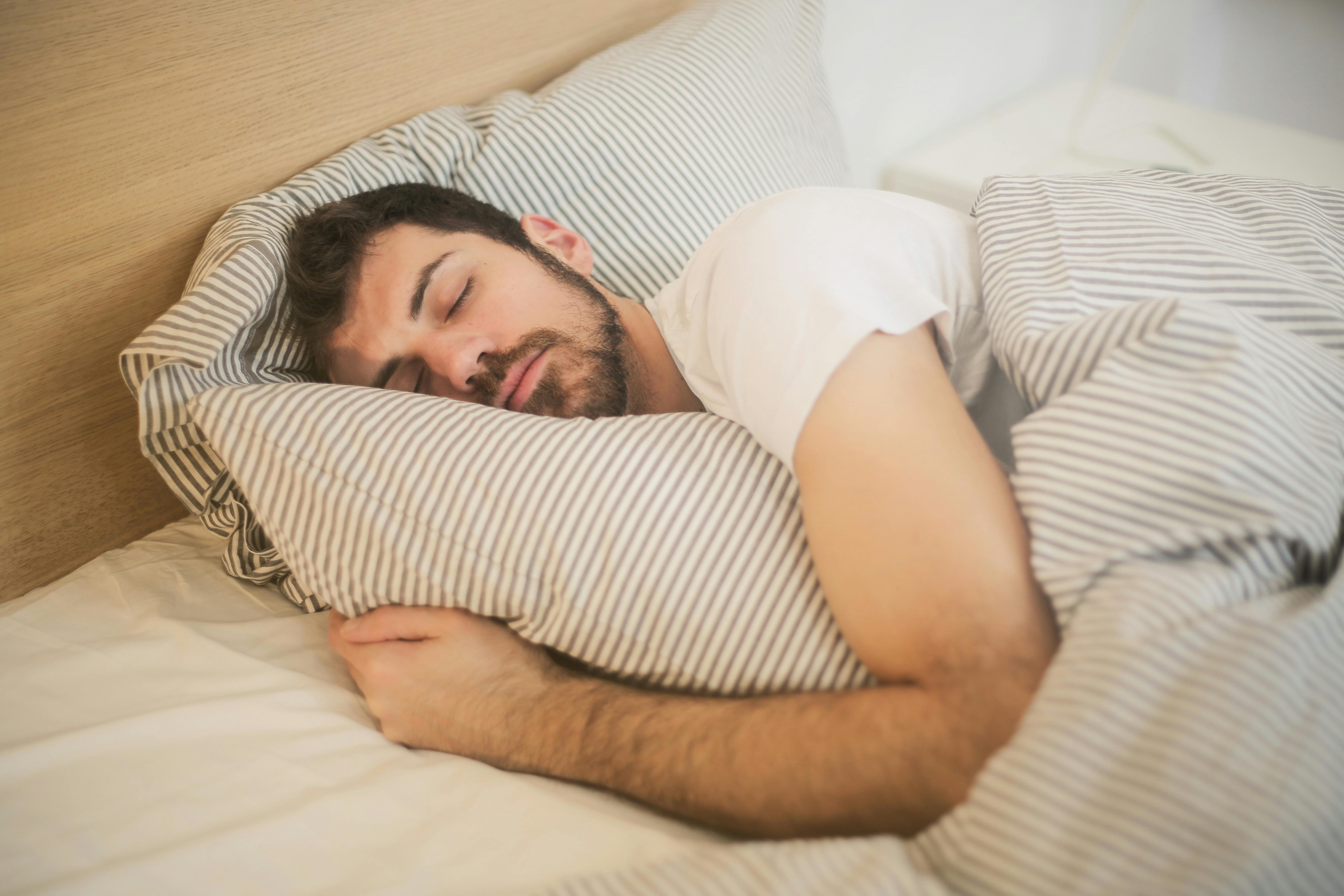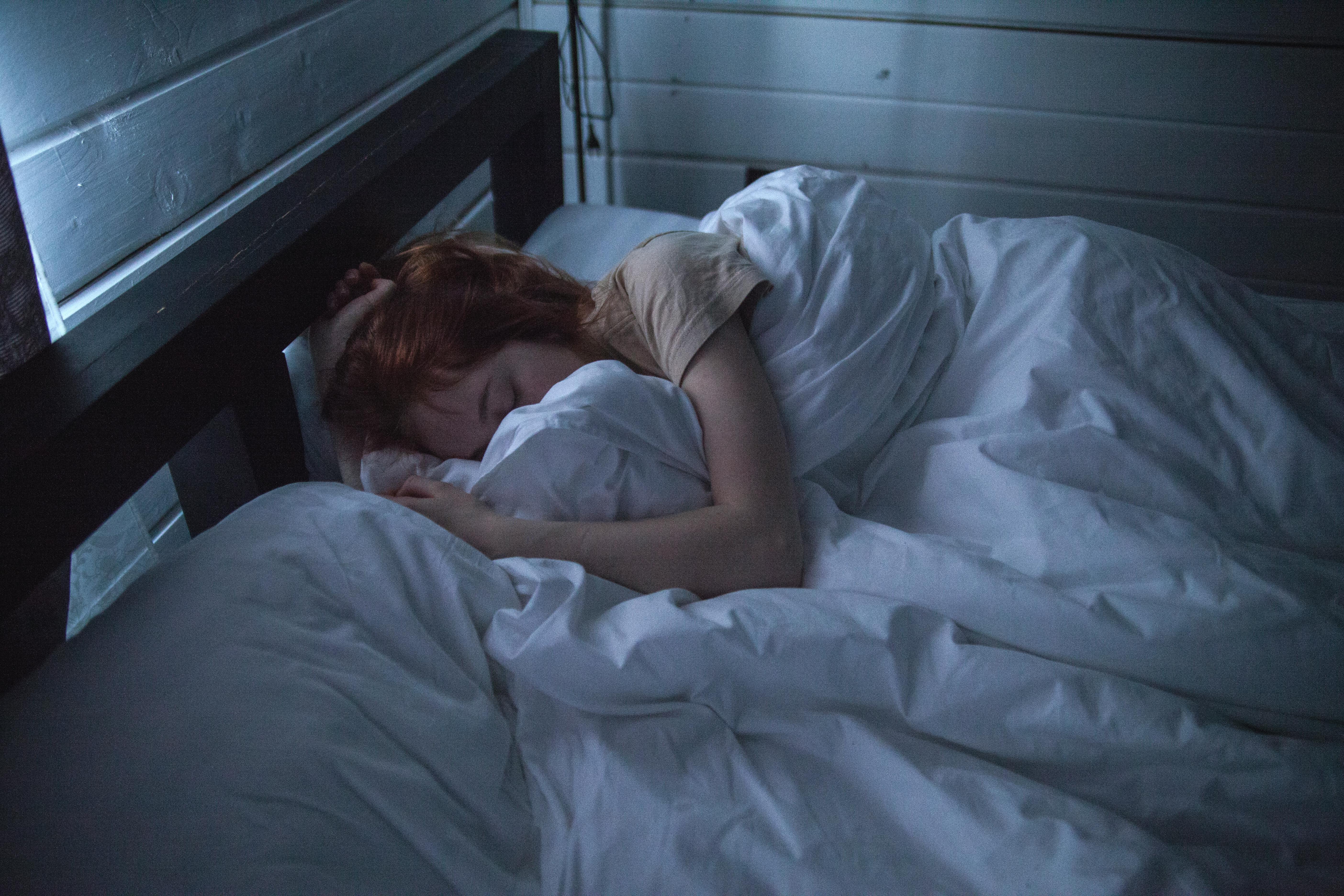
Your partner elbows you in the ribs in the middle of the night because you stopped breathing again. You snore loud enough to be heard from two rooms away. You wake up with a headache, your mouth feels like sandpaper, and no matter how long you sleep you feel tired. You nod off during meetings and fight to stay awake behind the wheel. You have gained weight even though nothing else has changed. Your blood pressure is creeping up despite medication adjustments.
These are the signs of obstructive sleep apnea, and if any combination of them sounds familiar, there is a reasonable chance this very common condition is affecting you. Obstructive sleep apnea affects roughly one billion people worldwide. Only a fraction of them know it. Millions of Americans have it without a diagnosis. It is a quiet epidemic that sabotages sleep, mood, cognition, metabolism, and cardiovascular health every single night while its victims assume they are just getting older or working too hard.
This guide covers what obstructive sleep apnea actually is, why it is dangerous, how to recognize it, how to get tested, what treatments exist, and how to live well with a diagnosis.
What Actually Happens in Your Throat
During sleep, the muscles in your throat relax. In most people, the airway stays open enough to breathe freely. In people with obstructive sleep apnea, the airway narrows or fully collapses, blocking airflow for ten seconds or more at a time. Oxygen levels in the blood drop. The brain, sensing suffocation, jolts you into a brief arousal just long enough to take a gasping breath. You rarely remember these arousals, but they happen dozens or hundreds of times per night.
Each collapse is a small crisis for your body. Oxygen falls. Carbon dioxide rises. Blood pressure spikes as the body releases stress hormones. The heart works harder. Inflammatory signals increase. Blood glucose regulation degrades. And the constant awakenings, even if you are unaware of them, prevent you from reaching or sustaining the deeper stages of sleep where recovery happens.
Apneas are complete airway closures. Hypopneas are partial closures with reduced airflow. The number of these events per hour is called the apnea hypopnea index or AHI. Mild sleep apnea is an AHI of five to fifteen events per hour. Moderate is fifteen to thirty. Severe is above thirty. Some people with severe apnea have more than a hundred events per hour, meaning they stop breathing more than once a minute throughout the night.
Who Gets It
Anyone can get obstructive sleep apnea, but some factors raise risk substantially.
Excess weight is the single biggest modifiable risk factor. Fat deposition around the neck and throat narrows the airway. People with a neck circumference above seventeen inches in men or sixteen inches in women have markedly higher risk. Body mass index above thirty is a major risk factor. That said, plenty of lean people have sleep apnea too, especially those with particular jaw structures.
Male sex increases risk, though women catch up after menopause when hormonal protection fades.
Aging increases risk. Apnea becomes more common after fifty, when tissues lose elasticity and muscles weaken.
Anatomical factors matter. A small or recessed lower jaw, a large tongue, enlarged tonsils, a thick neck, or a narrow upper airway all predispose to apnea. Some families have generations of apnea because of shared anatomy.
Ethnicity plays a role. People of Asian descent are at higher risk at a given body weight because of typical skull and jaw anatomy. Black Americans have higher rates than white Americans, partly due to anatomical factors and partly due to healthcare access patterns.
Alcohol and sedatives worsen apnea by relaxing throat muscles further. Smoking increases inflammation and fluid retention in the airway. Chronic nasal congestion contributes.
Certain medical conditions raise risk, including hypothyroidism, acromegaly, and conditions that cause fluid retention.
The Signs You Should Never Ignore
Sleep apnea presents with a specific cluster of symptoms that, together, strongly suggest the diagnosis.
Loud snoring is the classic sign. Not every snorer has apnea, but most people with obstructive sleep apnea snore loudly. Bed partners often report snoring so loud it drives them to other rooms.
Witnessed pauses in breathing, followed by gasps or choking sounds, are highly specific for apnea. If someone has watched you stop breathing at night, take it seriously.
Excessive daytime sleepiness. Not just feeling tired, but actively falling asleep in inappropriate situations. Watching television, sitting in a meeting, driving a car. The Epworth Sleepiness Scale is a short questionnaire that rates your likelihood of dozing off in various situations and can be a useful screening tool.
Morning headaches that fade after being up for an hour or two. These come from carbon dioxide buildup and oxygen fluctuations during the night.
Waking up feeling unrefreshed no matter how long you slept. People with apnea often spend nine or ten hours in bed and wake up exhausted.
Dry mouth or sore throat in the morning from mouth breathing.
Needing to urinate multiple times per night. Nocturia is strongly associated with sleep apnea, though it is often blamed on other things.
Trouble with memory, concentration, or word finding that seems out of proportion to your age.
Irritability, anxiety, or depression that does not respond well to standard treatment.
Erectile dysfunction or reduced libido.
High blood pressure that is difficult to control, atrial fibrillation, or other cardiovascular problems.
If you have several of these, you almost certainly deserve a sleep evaluation.
Why This Matters So Much
Left untreated, obstructive sleep apnea is not a nuisance. It is a serious health threat with well established consequences.
Cardiovascular disease risk climbs steeply. Apnea more than doubles the risk of hypertension, heart attack, heart failure, stroke, and atrial fibrillation. Some cardiology clinics now screen every patient for sleep apnea as a routine part of care.
Metabolic health suffers. Insulin resistance, type 2 diabetes, and metabolic syndrome are strongly associated with untreated apnea.
Cognitive decline accelerates. Long term untreated apnea contributes to dementia risk through mechanisms including repeated oxygen deprivation, inflammation, and impaired brain clearance of amyloid proteins.
Motor vehicle accidents increase. Drivers with untreated moderate to severe apnea have crash rates two to three times higher than the general population. Some countries require apnea treatment as a condition of commercial driving licenses.
Mortality overall rises. People with severe untreated apnea have higher all cause mortality than matched controls without the condition.
Diagnosing and treating sleep apnea is not a cosmetic matter. It is one of the highest leverage interventions in medicine.
How Testing Works
Two main testing options exist.
A home sleep apnea test is the more accessible and affordable option. You wear a small device overnight at home that measures breathing, oxygen levels, heart rate, and sometimes chest movement. The device is mailed to you, worn for one to three nights, and mailed back. Results are analyzed by a sleep physician. Home testing works well for people with typical symptoms and no complicating medical conditions.
An in lab polysomnogram is the gold standard. You sleep overnight at a sleep center while technicians monitor many parameters including brain waves, eye movements, muscle activity, breathing, oxygen levels, heart rate, and leg movements. Lab studies are more detailed and can detect conditions beyond standard apnea, but they are more expensive and less convenient.
Your primary care doctor can order a sleep study, or you can see a sleep specialist directly. Many insurance plans now cover home testing without requiring a prior specialist visit.
Treatment That Actually Works
Treatment for obstructive sleep apnea has expanded significantly in the last decade.
Continuous Positive Airway Pressure
CPAP is the gold standard treatment. A small machine delivers continuous pressurized air through a mask worn over the nose or nose and mouth. The pressure keeps the airway from collapsing. CPAP works. It normalizes breathing, restores oxygen, improves sleep quality, lowers blood pressure, reduces cardiovascular events, improves mood, and sharpens thinking. Studies consistently show these benefits in compliant users.
The challenge is compliance. Wearing a mask every night is an adjustment. About half of people who start CPAP do not use it reliably long term. Common obstacles include mask discomfort, claustrophobia, dry mouth or nose, noise, feeling tethered by the hose, and simply forgetting.
Most of these obstacles can be overcome with the right support. Mask fitting is crucial. There are dozens of mask styles, and finding one that works for your face can take several tries. Heated humidification reduces dryness. Ramp features start the pressure low and increase gradually. Modern machines are quiet and most people get used to them within a month.
If you have been told CPAP does not work, try again with better equipment and expert guidance. The first six months predict long term success, so the setup period matters.
BiPAP and Auto Adjusting Machines
BiPAP machines deliver different pressures for inhalation and exhalation, which some patients find more comfortable. Auto adjusting CPAP machines change pressure throughout the night based on detected events, which often improves both comfort and effectiveness.
Oral Appliances
Dental devices that move the lower jaw forward can keep the airway open in mild to moderate apnea. They are smaller and more portable than CPAP, and many patients prefer them. They work best for mild to moderate disease and tend to be less effective for severe apnea. A dentist with specific sleep training fits them. They can cause jaw discomfort or bite changes with long term use.
Positional Therapy
For some people, apnea happens only or primarily when sleeping on the back. A positional device that discourages back sleeping, worn as a small strap or vibrating sensor, can dramatically reduce events.
Weight Loss
Losing ten percent of body weight reduces apnea severity significantly in many patients. Weight loss is not always enough to cure the condition, but it often reduces the pressure needed on CPAP and sometimes eliminates the need for treatment in mild cases.
Surgery
Surgical options include removing tonsils, trimming excess tissue in the soft palate, repositioning the jaw, and implanting a device that stimulates the hypoglossal nerve to keep the tongue out of the airway during sleep. Hypoglossal nerve stimulation, sold as Inspire in the United States, is the most important surgical advance in decades for patients who cannot tolerate CPAP. It works well in carefully selected patients.
Medications
A newer class of medications called hypoglossal nerve stimulant drugs is in development, and one GABA modifying medication has shown promise in clinical trials. These are not standard treatment yet but the pipeline is active.
Living Well With the Diagnosis
A sleep apnea diagnosis is not a disaster. For most people, it is a turning point that, once treated, transforms their energy, cognition, and long term health.
Commit to using your treatment consistently. Half hearted CPAP use delivers half hearted benefits. Aim to use your machine every night, all night. Most insurance plans require at least four hours of use on seventy percent of nights during the first three months for continued coverage.
Work with your sleep physician through the adjustment period. Problems with masks, pressure, or humidity are almost always solvable if you speak up.
Optimize other aspects of sleep health. Consistent schedule, cool dark bedroom, limited alcohol and heavy late evening meals, and morning light exposure all work together with apnea treatment.
Track your own progress. Most modern CPAP machines report compliance and efficacy data. Your mood, energy, morning headaches, and partner feedback should all improve within weeks.
Tell your other doctors. Your primary care doctor, cardiologist, endocrinologist, and others should all know you have sleep apnea. It affects their treatment decisions.
If you gain or lose significant weight, ask about re titration. Your optimal CPAP pressure may change with your weight.
The Final Word
Obstructive sleep apnea is extraordinarily common and devastating when untreated. It is also one of the most satisfying conditions to treat because people feel so much better once they are on effective therapy. Energy returns. Mood lifts. Blood pressure improves. Cognitive clarity comes back.
If you have been tired for years, if your partner has been complaining about your snoring, if your blood pressure will not budge despite medication, if you have had unexplained memory changes or mood problems, ask for a sleep study. The test is simple. The potential benefit is enormous. The only regret most people have after getting diagnosed is that they did not do it sooner.
Sources and Further Reading
Health and Beyond uses reputable medical and scientific sources where possible. These links support or expand on the topics discussed above.
- NHLBI: Sleep Apneanhlbi.nih.gov
- MedlinePlus: Sleep Disordersmedlineplus.gov