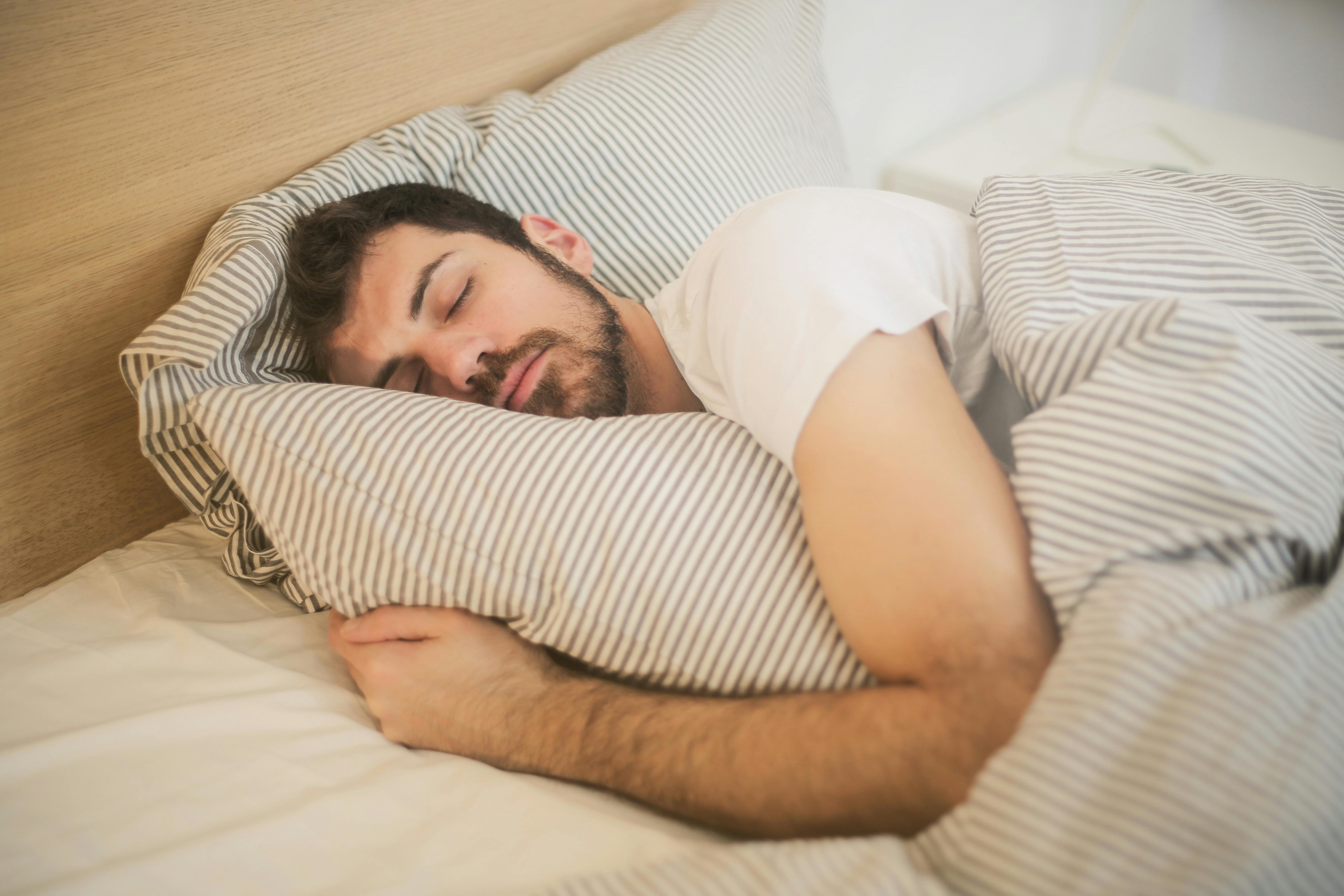
A small piece of tape across the lips at bedtime. That is the entire intervention. Proponents say it has improved their sleep quality, reduced snoring, lowered heart rate overnight, eliminated morning dry mouth, improved cardiovascular markers, and even contributed to better facial structure. Skeptics raise eyebrows and worry about suffocation. The practice sits in an odd cultural space, somewhere between biohacker niche and growing mainstream adoption.
Mouth taping has a simple idea behind it. Most people should breathe through their nose most of the time, especially during sleep. Modern humans often do not, either out of habit, due to structural issues, or because they have never been aware that mouth breathing at night was a problem worth addressing. Taping the mouth shut creates mechanical enforcement of nasal breathing for the hours when you cannot consciously choose.
Whether the practice is right for you depends on understanding what nasal breathing does, why mouth breathing at night matters, who is a candidate for mouth taping, and who should never do it. This article walks through all of that.
Why Nasal Breathing Matters
Nose and mouth are not interchangeable routes for the same air. The nose does things the mouth cannot.
The nasal passages filter out particles, pollen, and pathogens before air reaches the lungs. They also humidify and warm the air to body temperature. Breathing through the mouth skips this filtration and humidification, delivering cooler, drier, less clean air to the lungs.
The nose produces nitric oxide, a molecule that dilates blood vessels and improves oxygen uptake in the lungs. This nitric oxide is produced in the paranasal sinuses and travels with nasal inhalation into the airways. Mouth breathing misses this almost entirely. The oxygen uptake advantage from nasal breathing can be substantial, perhaps ten to twenty percent more oxygen delivered to the blood compared to mouth breathing.
Nasal breathing promotes slower, deeper breathing patterns. The resistance of the nasal passages naturally slows each breath and engages the diaphragm. Mouth breathing tends toward faster, shallower breathing that activates the upper chest and is associated with greater sympathetic nervous system activation.
Nasal breathing during sleep supports proper tongue posture with the tongue resting on the palate, which supports facial development in children and airway patency in adults. Chronic mouth breathing during development contributes to narrower palates, crowded teeth, and structural airway issues.
Why Nighttime Mouth Breathing Matters Specifically
During the day, you can choose to breathe through your nose if you are paying attention. At night, you cannot. Your body does whatever pattern it falls into. If the pattern is mouth breathing, you spend seven or more hours with the inferior breathing mode, night after night, year after year.
The consequences accumulate. Dry mouth on waking. Increased rate of dental cavities and gum disease. Higher rates of snoring. Poor sleep quality even with adequate hours. Morning headaches. Higher resting blood pressure. In some people, mouth breathing at night contributes to or exacerbates sleep apnea.
Some of these consequences are immediately noticeable. Others accumulate silently and only emerge as health problems years down the road.
The Case for Mouth Taping
If you are consistently mouth breathing at night, the simplest intervention is a small piece of tape across your lips. The tape holds the mouth closed gently. When you are naturally inclined to breathe through your nose, the tape is irrelevant. When you would otherwise default to mouth breathing, the tape maintains the nasal route.
Over weeks, most people retrain their default nighttime breathing pattern. The nose becomes more reliably the route of choice even without the tape. The tape is a training tool more than a permanent intervention, although many people continue to use it as insurance.
People who tape consistently report waking with a moist mouth instead of a dry one, reduced snoring reported by partners, feeling more refreshed on less sleep, and in some cases, significant reductions in overnight heart rate as measured on fitness trackers. Some report clearer nasal passages during the day, which is counterintuitive but makes sense once you understand that consistent nasal breathing encourages the nose to function better.
Who Absolutely Should Not Tape
Anyone with known or suspected sleep apnea. Taping your mouth shut while you have an obstructed airway can make the situation worse. If you snore loudly, have witnessed breathing pauses during sleep, wake gasping, or have other signs of sleep apnea, get a sleep study first. Do not assume mouth taping will fix the problem.
Anyone with severe nasal obstruction. If you cannot breathe comfortably through your nose while awake, you cannot breathe through your nose while asleep. Addressing the nasal obstruction comes before taping. This may involve treating allergies, correcting a deviated septum, or other interventions.
Anyone who has been drinking alcohol or taking sedatives. These substances impair arousal responses, and taping adds another layer of complication if breathing becomes difficult.
Children. Mouth taping in children should not be attempted without medical guidance. Airway issues in children are common and require professional assessment.
People with recent nasal surgery, facial trauma, or conditions that affect the ability to breathe through the nose reliably.
People with severe anxiety or claustrophobia who may panic from the sensation of mouth being taped.
How to Test If Nasal Breathing Works for You
Before you tape, spend several days practicing nasal breathing during the day. Close your mouth. Breathe through your nose during normal activities. If this is comfortable during the day, nighttime taping is likely manageable.
If you cannot maintain nasal breathing during the day without significant effort or discomfort, something is wrong with your nasal passages. Address that first. An ENT evaluation, allergy testing, or simple measures like saline rinses may open up the pathway before you start taping.
Next, try taping during quiet daytime activities like reading or watching television. This lets you get used to the sensation without the stakes of sleep. If this goes well for several sessions, nighttime taping is likely a reasonable next step.
How to Tape Properly
Use a tape designed for skin or specifically marketed for mouth taping. Medical paper tape works. Hypoallergenic silicone tapes are more comfortable. Some products are shaped specifically for the mouth.
Do not cover the entire mouth with a large piece of tape. A small vertical strip running from above the upper lip to below the lower lip in the center is sufficient. This holds the mouth closed while leaving the sides of the mouth accessible for emergency breathing if needed.
Avoid tape that is overly aggressive on skin. Skin irritation is the most common side effect. If redness or rash develops, switch to a gentler tape or take breaks.
Start with short sessions. Your first night might be an hour or two before sleep, then remove. The next night, you could keep it on until you fall asleep, then see what happens if you wake to remove it. Gradually extend until you are wearing it through the night comfortably.
What Changes to Expect
The first few nights may feel strange. Your jaw may be slightly sore from holding the mouth closed, as this position requires muscle engagement that was previously relaxed. This tension usually resolves within a week or two as the muscles adapt.
Most people notice reduced morning dry mouth within a few nights. Sleep quality improvements often show up within one to two weeks.
If you track sleep metrics with a wearable, overnight heart rate and heart rate variability often improve with consistent mouth taping. Whether this translates to subjective improvements depends on the individual.
When to Stop or Reassess
If you wake up struggling to breathe, remove the tape immediately and do not continue the practice until you have evaluated why this happened. Usually it is nasal congestion, which can be addressed. Occasionally it signals an underlying airway problem that needs attention.
If you find the tape consistently uncomfortable or anxiety provoking even after a week of adjustment, this intervention is not for you. There are other ways to address mouth breathing, including myofunctional therapy that retrains tongue and lip posture through exercises, and addressing nasal obstruction directly.
If your partner notices that your snoring has gotten worse or that you seem to stop breathing periodically, get a sleep study. Mouth taping in the presence of untreated sleep apnea is genuinely dangerous.
The Bottom Line
Mouth taping is not the weird fringe practice it sounds like on first hearing. It addresses a real and common issue, nighttime mouth breathing, with a simple mechanical intervention that works for many people. The theoretical basis is sound. The practice has been used safely by a growing population. And the benefits for people who are candidates are often meaningful.
It is also not for everyone. People with sleep apnea, nasal obstruction, or certain other conditions should steer clear. Done casually without proper evaluation, it can mask or worsen real problems.
If you are a healthy adult who notices morning dry mouth, suspects you breathe through your mouth at night, and has no contraindications, a careful trial of mouth taping is a reasonable and inexpensive experiment. Start slowly, use appropriate tape, and pay attention to how you feel.
The goal is nasal breathing, not the tape itself. Eventually you may not need the tape at all. The habit of nasal breathing, once established, tends to hold on its own. That is the real prize, and a small roll of tape may be the most direct path to getting there.
Sources and Further Reading
Health and Beyond uses reputable medical and scientific sources where possible. These links support or expand on the topics discussed above.
- NHLBI: Sleep Apneanhlbi.nih.gov
- MedlinePlus: Sleep Disordersmedlineplus.gov