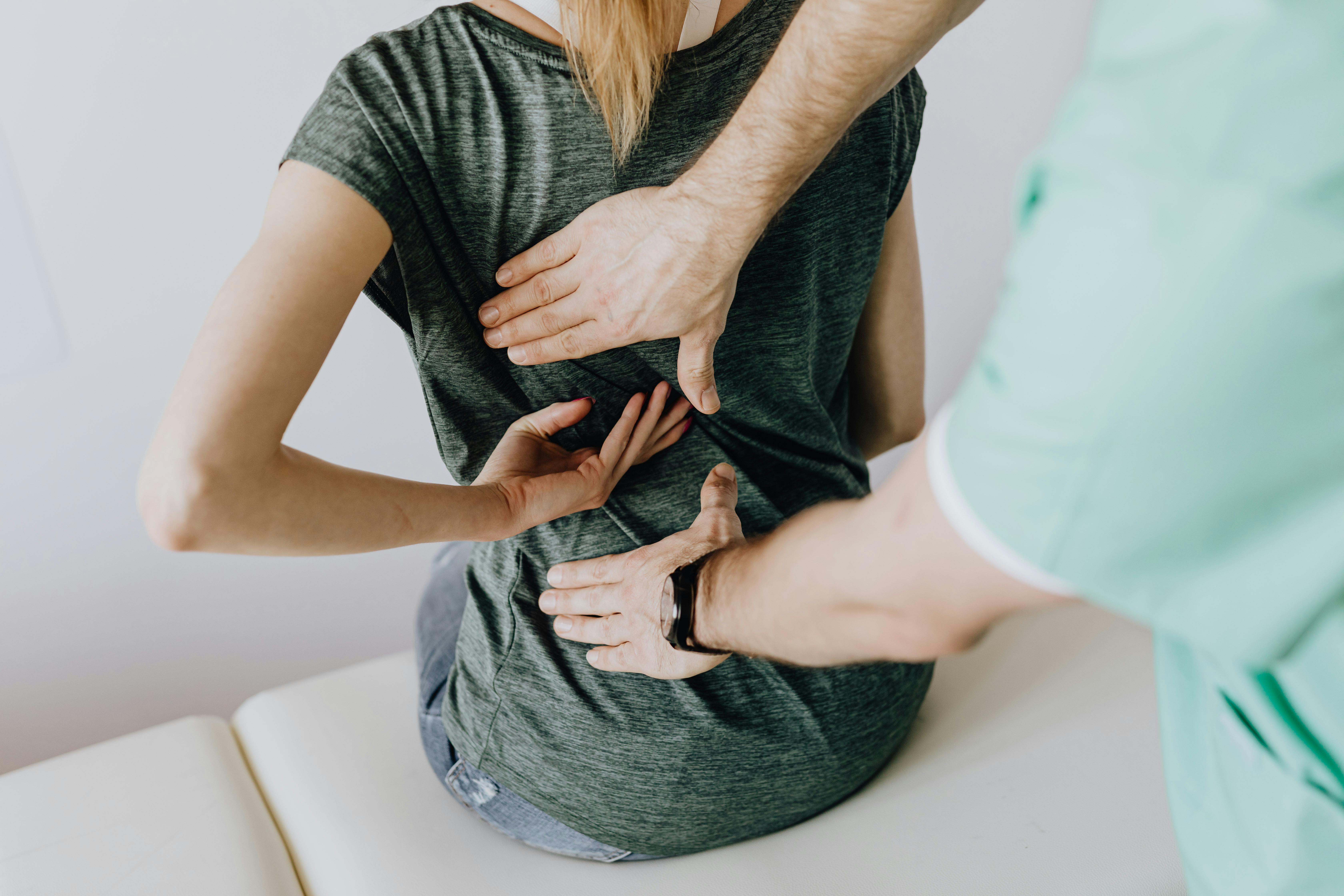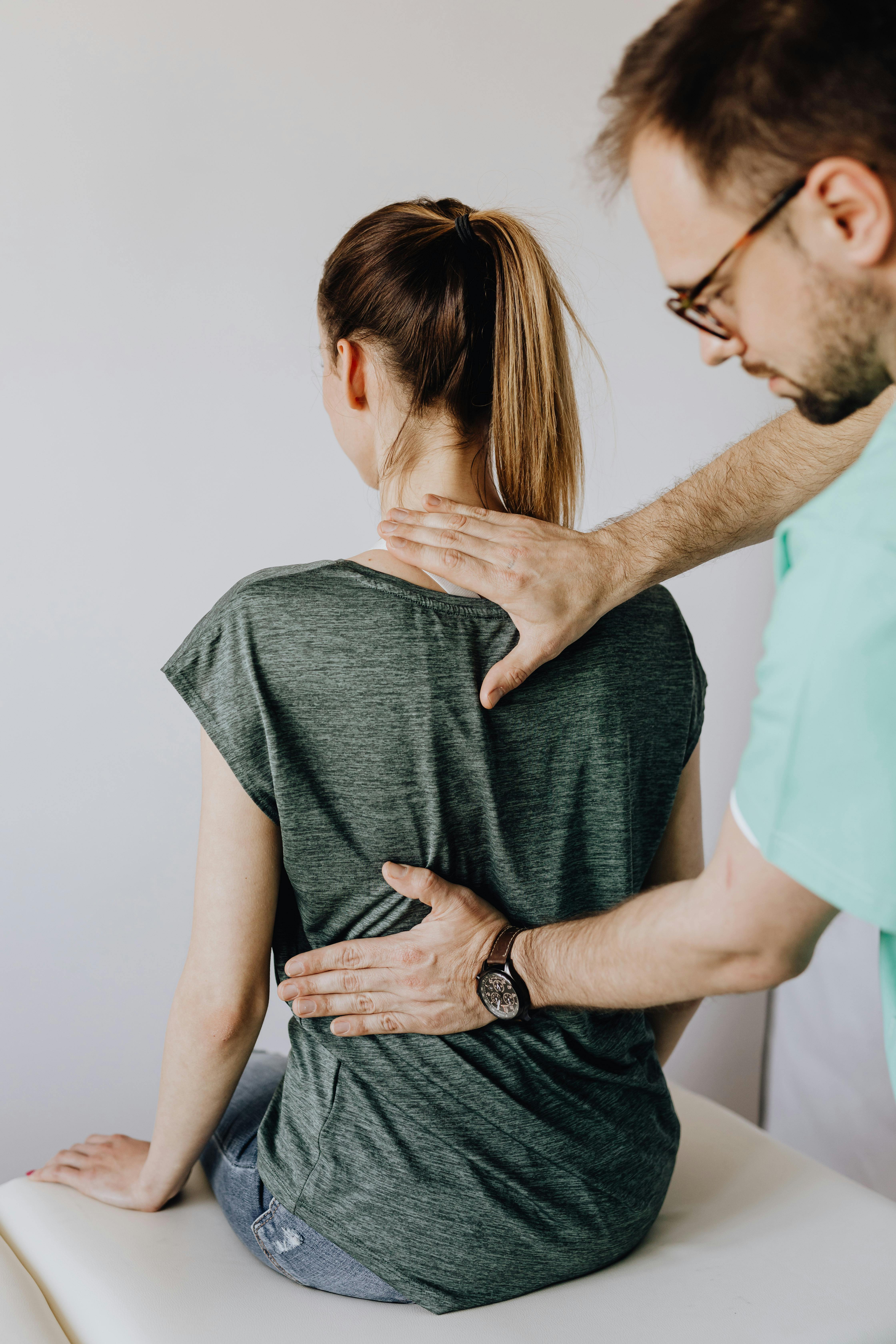
Low back pain is the leading cause of disability worldwide and one of the most common reasons for doctor visits in adults. At some point, roughly eighty percent of people will experience back pain significant enough to affect daily life. What you probably have not been told is that most low back pain responds to active management, most imaging findings are normal age related changes rather than the cause of pain, and surgery is appropriate in only a small minority of cases. If your back has been giving you trouble and you are tired of being told to just rest, this guide walks through what modern evidence says about causes, treatments that actually help, and how to build a spine that serves you well for decades.
What Low Back Pain Really Is
Low back pain is an umbrella term for pain in the region between the ribs and the hips. It can range from mild stiffness to debilitating pain that prevents standing or sleeping. Causes vary from muscle strains to disc problems to inflammatory conditions, but most cases fall into the category of nonspecific low back pain, meaning no single anatomic source fully explains the symptoms.
This does not mean the pain is imaginary. It means pain is a complex experience involving tissue, nervous system, psychological, and social factors. Understanding this shifts treatment from hunting for a structural culprit to addressing the full system producing pain.
The Imaging Trap
MRIs of the low back in people with no pain frequently show disc bulges, degenerative changes, and other findings previously blamed for back pain. Research shows that the majority of adults over forty have findings that once prompted surgical recommendations but have no correlation with symptoms.
This matters because being told your MRI shows degeneration, disc bulge, or arthritis can create fear that actually worsens pain through nervous system sensitization. Many people become convinced their spine is fragile when in reality they have the same findings as pain free neighbors.
Imaging has a role when red flags are present including unexplained weight loss, fever, severe neurological symptoms, history of cancer, or after significant trauma. For most acute low back pain without red flags, imaging in the first six weeks adds cost and anxiety without improving outcomes.
Red Flags That Require Urgent Evaluation
Progressive or severe weakness, especially in the legs.
New loss of bowel or bladder control.
Numbness in the groin or saddle area.
Fever accompanying back pain.
Unexplained weight loss.
History of cancer with new back pain.
Recent significant trauma.
Symptoms after age fifty with no previous back pain history.
Night pain that does not improve with position change.
These patterns require prompt medical evaluation, sometimes emergent. Most back pain does not involve red flags and is not an emergency, but recognizing when it is matters.
The Evidence Based Approach
Recent guidelines from major medical societies converge on some common themes. Active treatment beats passive treatment for most low back pain. Movement helps. Rest for more than a day or two usually delays recovery. Pharmaceuticals have modest effects and carry risks. Surgery helps specific diagnoses but is overused.
This guidance reflects decades of research showing that the treatments with the best outcomes are those that keep people active, build confidence, and address the whole person.
First Line Approaches
Stay active. Gentle walking, movement, and avoiding prolonged bed rest all improve outcomes. The instinct to rest feels correct but usually delays healing.
Heat and ice provide symptom relief. Heat works for muscle tension while ice helps with acute inflammation. Use what feels best to you.
Over the counter anti inflammatory medications like ibuprofen or naproxen help short term. Use them as bridges to activity rather than long term solutions.
Topical analgesics including capsaicin and diclofenac gel can help without the systemic effects of oral medications.
Good sleep position matters. Sleeping on your side with a pillow between your knees or on your back with a pillow under your knees often reduces morning stiffness.
Exercise Is Medicine
Exercise is arguably the most effective single intervention for chronic and recurrent low back pain. It works through multiple mechanisms including strengthening, mobility improvement, nervous system regulation, and restored confidence.
Walking is underrated. Thirty minutes daily of walking, starting at whatever pace you tolerate, supports spine health without special equipment or expertise.
Core work has strong evidence. The core includes far more than abdominal muscles. It involves the deep stabilizers including transverse abdominis, multifidi, and pelvic floor along with the diaphragm. Exercises like dead bugs, bird dogs, and planks train this system.
Strength training for the full body supports a healthy back. The dismissal of lifting weights for people with back pain is outdated. Well coached strength training strengthens the tissues that support the spine.
Flexibility work has modest evidence specifically for back pain but can complement strength and cardio work.
Yoga and pilates have good evidence for low back pain when appropriately adapted. Quality instruction matters.
Physical Therapy
A skilled physical therapist specializing in musculoskeletal conditions is one of the most underused resources for low back pain. They can assess movement patterns, identify specific contributing factors, and prescribe individualized exercise programs.
Manual therapy techniques including hands on mobilization can help alongside active treatment.
McKenzie method, spinal manipulation, and various other approaches have evidence for specific pain patterns. Choosing a skilled provider matters more than the specific technique.
Physical therapy is often covered by insurance with a doctor referral. Direct access to physical therapy without a referral is available in many states.
Understanding Sciatica
Sciatica refers to pain radiating from the low back down the leg along the path of the sciatic nerve. It typically results from compression or irritation of nerve roots in the lumbar spine.
Classic sciatica patterns include pain that extends below the knee, numbness or tingling, and sometimes weakness in specific muscles supplied by the affected nerve.
Most sciatica improves with conservative management over weeks to months. Active treatment, nerve gliding exercises, and addressing postures and movements that aggravate symptoms form the foundation.
Surgical evaluation is appropriate for progressive neurological deficits, severe unrelieved pain, or failure to improve after several months of good conservative treatment.
Chiropractic And Acupuncture
Chiropractic care has evidence for acute low back pain, particularly spinal manipulation in combination with active treatment. Choose a chiropractor who focuses on evidence based care and encourages active self management rather than unlimited passive treatment.
Acupuncture has modest evidence for chronic low back pain. Quality varies by practitioner. Several sessions over weeks is the typical research protocol.
When Medications Come Into Play
Anti inflammatories as noted offer modest benefit.
Muscle relaxants help acute flares but cause drowsiness and should be used short term.
Gabapentin and pregabalin help some people with nerve related back pain but have side effects.
Tramadol and stronger opioids are used sparingly given limited long term effectiveness and significant risks including dependence. Current guidelines emphasize minimal opioid use for back pain.
Topical formulations often provide relief with fewer systemic effects.
Injections And Interventional Procedures
Epidural steroid injections can provide short to medium term relief for radicular pain. They do not fix the underlying problem but can create windows for rehabilitation.
Facet joint injections target specific painful spine joints in selected patients.
Radiofrequency ablation can provide longer term relief for specific facet joint pain patterns.
These procedures are tools, not complete solutions. They work best combined with rehabilitation.
Surgery In Perspective
Spine surgery has a role in specific conditions including severe nerve compression causing progressive weakness, spinal stenosis with neurogenic claudication unresponsive to treatment, significant instability, and certain structural problems.
For most nonspecific low back pain, surgery has poor outcomes compared to non surgical management. Long term outcomes of spine surgery are mixed and selection of appropriate candidates matters enormously.
Getting a second opinion before any spine surgery is wise unless the situation is truly emergent.
The Role Of Stress And Mental Health
Chronic back pain and mental health are deeply connected. Stress, anxiety, and depression amplify pain perception and slow recovery. This is not a character failing but a feature of how the nervous system processes pain.
Cognitive behavioral therapy for chronic pain has excellent evidence. Pain neuroscience education teaches patients how pain actually works, reducing fear and improving outcomes.
Mindfulness practices support nervous system regulation and can reduce pain impact.
Addressing mental health alongside physical treatment produces better outcomes than either alone.
Workplace And Lifestyle Factors
Prolonged sitting correlates with back pain for many people. Microbreaks every thirty to sixty minutes during long sitting stretches help.
Standing desks can help but are not magical. Alternating sitting and standing works better than pure standing all day.
Ergonomic workspace setup including monitor height, keyboard position, and chair support matters.
Lifting technique for heavy objects matters less than some traditional advice suggested. Strong healthy tissues handle a wide range of positions. Still, using larger muscle groups and bringing loads close to your body sensibly protects you.
Weight management reduces mechanical load on the spine. Modest weight loss produces real benefits.
Smoking worsens back pain through effects on disc nutrition and tissue healing. Quitting smoking improves outcomes.
Sleep quality affects pain tolerance and recovery. Protect your sleep.
Building Long Term Resilience
A strong, mobile, confident body resists back problems better than a fragile one. Investing in general fitness pays dividends for spine health.
Build a routine you can sustain for decades rather than chasing quick fixes. Consistent moderate effort beats occasional intense programs.
Learn to recognize early warning signs. Mild stiffness after overexertion can be addressed before it becomes a major flare.
Have a plan for flares. Knowing what to do when pain increases reduces anxiety and speeds recovery.
Stay connected to activities you enjoy. Fear of movement makes back pain worse. Gradual return to valued activities matters more than avoiding them forever.
A Typical Recovery Timeline
Acute low back pain often improves significantly within two to six weeks with appropriate management. Complete resolution can take longer.
Chronic low back pain lasting more than three months requires a different approach emphasizing active rehabilitation, pain neuroscience education, and addressing psychosocial factors.
Recurrences are common but do not mean failure. Each recovery teaches you something about your body and what works for you.
Finding Good Care
Primary care providers, physical therapists, chiropractors, physiatrists, pain medicine specialists, and spine surgeons all have roles in back care. Your starting point depends on severity and available access.
Physical therapists with specialty in spine or orthopedics are often excellent first choices for most nonspecific back pain.
Look for providers who emphasize active treatment, patient education, and realistic expectations. Be cautious of anyone recommending unlimited passive treatment or insisting you need surgery without exhausting conservative options.
A Practical Starting Plan
If you have acute back pain without red flags, stay active within tolerance. Walk daily at whatever pace feels manageable. Use heat, ice, and over the counter medications as needed. Give it two to four weeks of active management before seeking more care.
If pain persists or limits function, consult a physical therapist, primary care provider, or other qualified professional. Start an individualized exercise program.
If pain is severe, progressive, or associated with red flags, seek prompt medical evaluation.
Build a spine positive lifestyle that includes regular movement, strength work, adequate sleep, stress management, and attention to ergonomics.
Understand that setbacks happen and do not mean failure. Learn from each episode and return to your active plan.
Your back has likely served you well and can continue to do so. The combination of appropriate medical care, active rehabilitation, and lifestyle attention gives most people their lives back. You are stronger and more resilient than you may have been told.
Sources and Further Reading
Health and Beyond uses reputable medical and scientific sources where possible. These links support or expand on the topics discussed above.
- NIAMS: Bones, Joints, and Musclesniams.nih.gov
- MedlinePlus: Back Painmedlineplus.gov