Endometriosis is one of the most misunderstood conditions in medicine. On average, women wait between seven and ten years from the first symptoms to a diagnosis. During that time they are often told their pain is normal, that stress is the problem, that they are just sensitive, or that birth control will handle it. Some are dismissed so many times they stop seeking help altogether. Meanwhile, the disease quietly progresses, affecting fertility, bowel and bladder function, energy, and daily life. Understanding what endometriosis actually is, how it is diagnosed, and the full range of treatment paths available can change the trajectory for anyone living with it or suspecting they might have it.
What Endometriosis Actually Is
Endometriosis is a condition in which tissue similar to the lining of the uterus grows outside the uterus. These deposits can appear on the ovaries, fallopian tubes, bowel, bladder, ligaments supporting the uterus, and in rarer cases in the diaphragm, lungs, or surgical scars. Unlike the uterine lining, which sheds cleanly each month, these deposits have nowhere to go when they bleed in response to hormonal cycles. The result is chronic inflammation, scar tissue, adhesions that glue organs together, and cysts filled with old blood called endometriomas.
It is important to understand that endometriosis tissue is not exactly the same as the uterine lining. Research has shown that endometriosis lesions have different gene expression, different receptor profiles, and behave more like a chronic inflammatory and sometimes invasive process than a simple case of misplaced endometrium. This is why medical hormone therapies that calm the uterus do not always calm endometriosis, and why the disease often persists despite hormonal treatment.
Endometriosis affects an estimated one in ten women of reproductive age. It is not a rare disease. It is a chronically underrecognized one.
Why Diagnosis Takes So Long
The delay in diagnosis happens for many reasons. Painful periods have been normalized culturally, so women often think their pain is just part of being female. Symptoms can be diverse, including pelvic pain, pain with intercourse, bowel pain, bladder pain, back pain, and fatigue, and individual providers may only recognize one or two of these as relevant. Imaging like ultrasound and MRI can miss many lesions, especially superficial ones, so a normal scan does not rule out the disease. The gold standard for diagnosis remains laparoscopic surgery with tissue confirmation.
Another reason is that the severity of symptoms does not always match the severity of disease. Someone with minimal visible lesions can have severe pain. Someone with widespread disease can have relatively mild symptoms until fertility issues appear. This disconnect frustrates both patients and clinicians and leads to misdiagnosis in both directions.
The Symptom Picture
Classic endometriosis symptoms include pelvic pain that worsens with menstruation, painful periods that do not respond well to standard pain relievers, pain during or after intercourse, pain with bowel movements or urination especially during periods, heavy or irregular bleeding, chronic lower back pain, and infertility or difficulty conceiving. Less recognized symptoms include bloating that looks and feels like early pregnancy, fatigue that is disproportionate to activity level, nausea with periods, pain with exercise, shoulder or chest pain that cycles with menstruation which suggests diaphragmatic endometriosis, and pain that radiates down the legs.
Cycle-related urinary symptoms, cycle-related gastrointestinal flares, and mysterious sciatica that worsens with menstruation should all raise the question of endometriosis.
Getting A Proper Evaluation
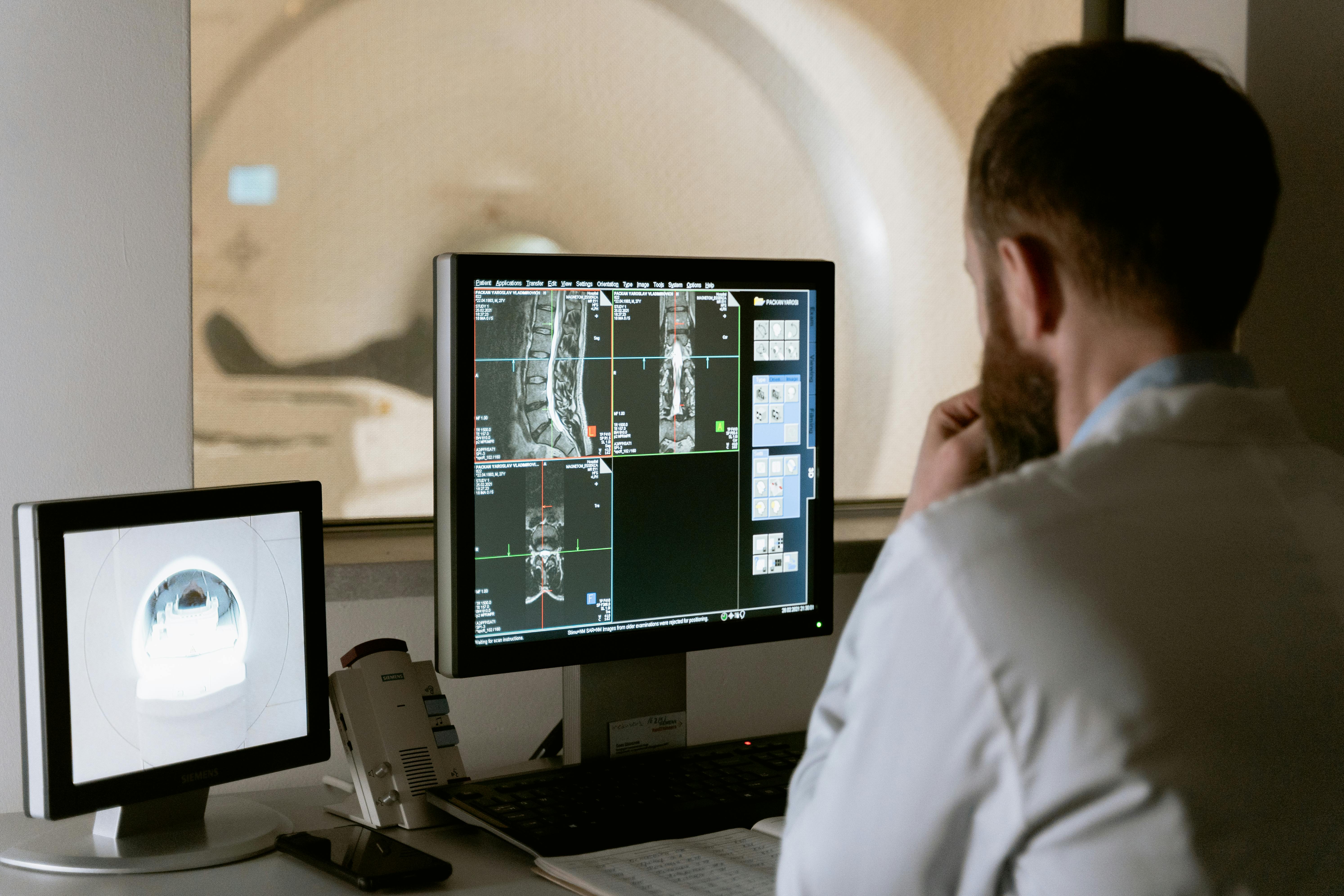
A thorough evaluation starts with a detailed history. A symptom diary kept across two to three cycles gives invaluable information. Pelvic exam is a first step but does not rule out disease. Transvaginal ultrasound performed by someone experienced with endometriosis can identify deep infiltrating disease, ovarian endometriomas, and adhesions, though superficial disease is often missed. MRI with specific endometriosis protocols adds more information, especially for bowel involvement.
The limitations of imaging are why clinical suspicion, based on symptoms, history, and examination, often drives treatment decisions even without definitive surgical confirmation. A patient with a textbook symptom picture may reasonably begin management while awaiting surgical evaluation rather than enduring more years of waiting.
Treatment: Hormonal Management
The first-line medical treatment is hormonal suppression. Combined oral contraceptives, continuous progestin-only pills, hormonal IUDs, and in more severe cases GnRH agonists or antagonists all work by suppressing the cyclic hormonal stimulation that drives symptoms. For many women, continuous hormonal suppression without a monthly withdrawal bleed reduces pain significantly and slows disease progression.
These treatments are not without side effects and do not cure the disease. They manage symptoms. Weight changes, mood effects, bone density concerns with long-term GnRH use, and the need to pause if pregnancy is desired all have to be weighed against symptom benefit. Many women use hormonal management for years with good results. Others find it inadequate and need surgical treatment.
Surgical Treatment
Laparoscopic excision surgery performed by a specialist in endometriosis is the most effective treatment for moderate to severe disease. Excision means cutting out the lesions entirely rather than burning the surface, which is called ablation. Research consistently shows that excision produces better long-term outcomes than ablation because ablation often leaves deeper disease behind. Unfortunately, many general gynecologists perform ablation rather than excision, contributing to high recurrence rates.
Finding a true excision specialist can be challenging. These surgeons often work at specialized centers and may be out of network or require longer wait times and travel. For people with significant disease, this effort is usually worth it. The difference in outcomes between excision by a specialist and ablation by a generalist can be dramatic.
Surgery does not always solve everything. Some women have pain pathways that have become sensitized over years and do not resolve even when disease is completely removed. This is why surgery is often combined with pelvic floor physical therapy, pain management, and other supportive approaches.
Diet And Lifestyle Considerations
The role of diet in endometriosis is not a cure but can significantly affect symptom burden. Anti-inflammatory eating patterns including plenty of vegetables, fatty fish, olive oil, berries, and minimally processed foods have been associated with lower symptom severity. Reducing red meat and ultra-processed foods has some evidence for benefit. Gluten elimination helps some women, though the evidence is mixed. Low-FODMAP eating can help when there is bowel involvement and bloating is a major complaint.
Alcohol and caffeine worsen symptoms in some women. Dairy can go either way, with some doing better eliminating it and others finding no difference. The general principle is that what you eat influences inflammation, and endometriosis is an inflammatory disease, so dietary patterns that reduce systemic inflammation tend to help.
Regular exercise, stress management, and adequate sleep all reduce symptom severity. These are not trivial additions. They affect cortisol, estrogen metabolism, and pain perception in meaningful ways.
Pelvic Floor And Pain Specialists
Chronic pelvic pain leads to pelvic floor dysfunction in most people who have had it for years. Muscles that protect painful areas tighten, trigger points develop, and the nervous system becomes hypersensitized. Pelvic floor physical therapy with a specialist trained in pelvic pain is one of the most underused and most helpful interventions in endometriosis care. It addresses the muscular and neurological contributors to pain that remain even after the disease itself is treated.
Pain management physicians trained in chronic pain can add nerve blocks, medications like low-dose naltrexone, neuromodulation, and targeted approaches to sensitized pain pathways. Integrative approaches including acupuncture, mind-body therapies, and trauma-informed care can all play roles.
Fertility Considerations
Endometriosis is a common cause of infertility. The mechanisms include distorted pelvic anatomy, damaged ovarian reserve from endometriomas, inflammation affecting egg quality, and altered uterine receptivity. Women trying to conceive with known or suspected endometriosis should work with a reproductive endocrinologist experienced in the disease. Options range from timed intercourse with monitoring, to surgery to remove disease, to IVF. The right path depends on age, disease severity, other fertility factors, and individual circumstances.
Women planning pregnancy in the future but not yet ready should also consider egg freezing if they have significant disease, because ovarian reserve can decline faster with untreated endometriosis.
Supplements And Complementary Approaches
Some supplements have reasonable evidence for symptom support, though none cure the disease. NAC has shown some benefit in small studies for reducing endometrioma size. Curcumin has anti-inflammatory effects that may help. Omega-3 fatty acids reduce inflammation and may reduce period pain. Magnesium can help with cramping and muscle tension. Vitamin D deficiency is more common in women with endometriosis, and correcting it may improve symptoms.
Herbal approaches including chasteberry, turmeric, and pine bark extract have been studied with mixed results. Any supplement approach should be discussed with a knowledgeable practitioner because interactions with hormonal treatments and individual responses vary.
Adenomyosis And The Sister Condition
Adenomyosis is a related condition where endometrial-like tissue grows into the muscular wall of the uterus. It causes heavy painful periods, pelvic pressure, and sometimes infertility. Many women have both endometriosis and adenomyosis. Treatment overlaps significantly, but adenomyosis sometimes responds well to hormonal IUDs and in severe cases may require hysterectomy, which is not typically a treatment for endometriosis alone.
What To Do If You Suspect Endometriosis
Keep a symptom diary across at least two cycles tracking pain, bleeding, bowel and bladder symptoms, sex and intimacy, energy, and any other patterns. Seek out providers experienced in endometriosis, not just general gynecology. If you are not being heard, get another opinion. The delay in diagnosis is not inevitable. It is the result of systemic underrecognition, and advocacy for yourself is often required. Consider consulting an endometriosis specialist surgeon even if your local provider is dismissive. Online communities of patients can be helpful for finding specialists and understanding what good care looks like.
Endometriosis is a chronic disease that requires long-term management, not a single intervention. But with the right diagnosis, the right surgical care when needed, hormonal management tailored to the individual, pelvic floor work, and lifestyle approaches that reduce inflammation, most women can reach a place where the disease does not dominate their lives. The path is rarely straight, and setbacks happen, but the tools available today are far better than what women had even a decade ago, and dismissing pelvic pain as normal is no longer acceptable care.
Sources and Further Reading
Health and Beyond uses reputable medical and scientific sources where possible. These links support or expand on the topics discussed above.