Somewhere in the early 2000s, a naturopath in California suggested that women could support their menstrual cycles by eating specific seeds during specific weeks of their cycle. The practice spread through word of mouth, then through blogs, then through social media, and today tens of thousands of women use it. For years the medical establishment dismissed seed cycling as folk nonsense. In the past five years, nutrition researchers have started actually measuring what happens, and the results are more interesting than skeptics expected.
Seed cycling is not a cure for endometriosis or PCOS. It will not make infertile women fertile. What it appears to do, when done correctly, is provide cycle phase specific nutrients and plant compounds that support the natural hormonal shifts women should be experiencing. For women whose diets are nutrient poor, the effects can be surprisingly tangible.
The Basic Protocol And Why It Is Split In Half
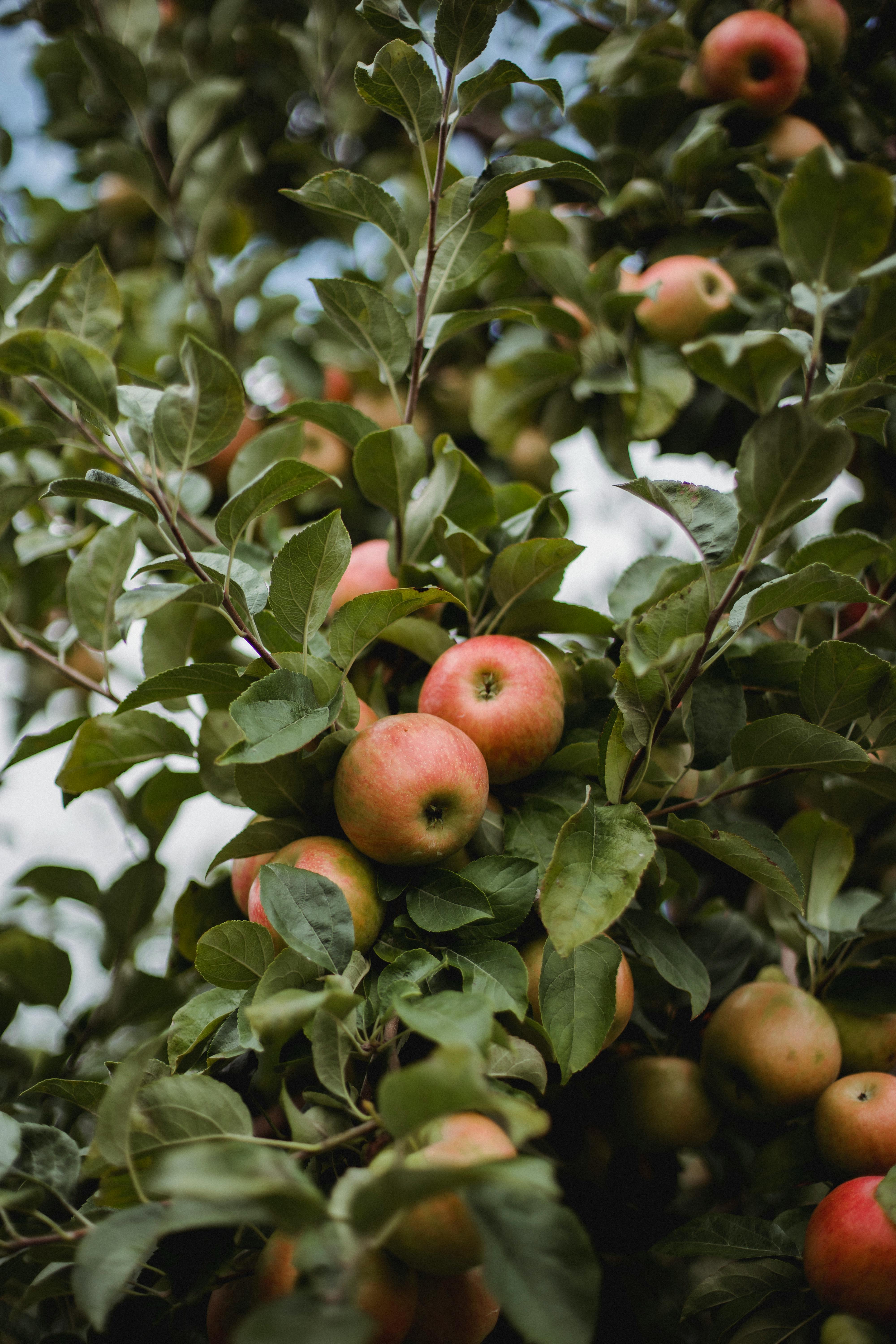
The classical seed cycling protocol divides the menstrual cycle into two phases. During the follicular phase, days one through fourteen counting from the first day of menstruation, women eat one tablespoon each of ground flax seeds and ground pumpkin seeds daily. During the luteal phase, days fifteen through twenty eight, they switch to one tablespoon each of ground sunflower seeds and ground sesame seeds daily.
The logic is based on the nutrient profiles of the seeds and the hormonal needs of each phase. The follicular phase is estrogen dominant, when the body is preparing to ovulate. Flax seeds contain lignans that modulate estrogen metabolism. Pumpkin seeds are rich in zinc, which supports progesterone production later in the cycle.
The luteal phase is progesterone dominant, when the corpus luteum produces progesterone to support potential implantation. Sunflower seeds supply selenium for liver detoxification and vitamin E for progesterone support. Sesame seeds contain lignans specifically associated with healthy luteal function and mild estrogen modulation.
For women without regular cycles, including those on hormonal birth control, postmenopausal women, or those with absent or irregular periods, practitioners typically recommend following the lunar calendar, using new moon to full moon for the follicular protocol and full moon to new moon for the luteal protocol. The lunar alignment has no biological rationale but provides a predictable schedule.
What The Actual Research Shows
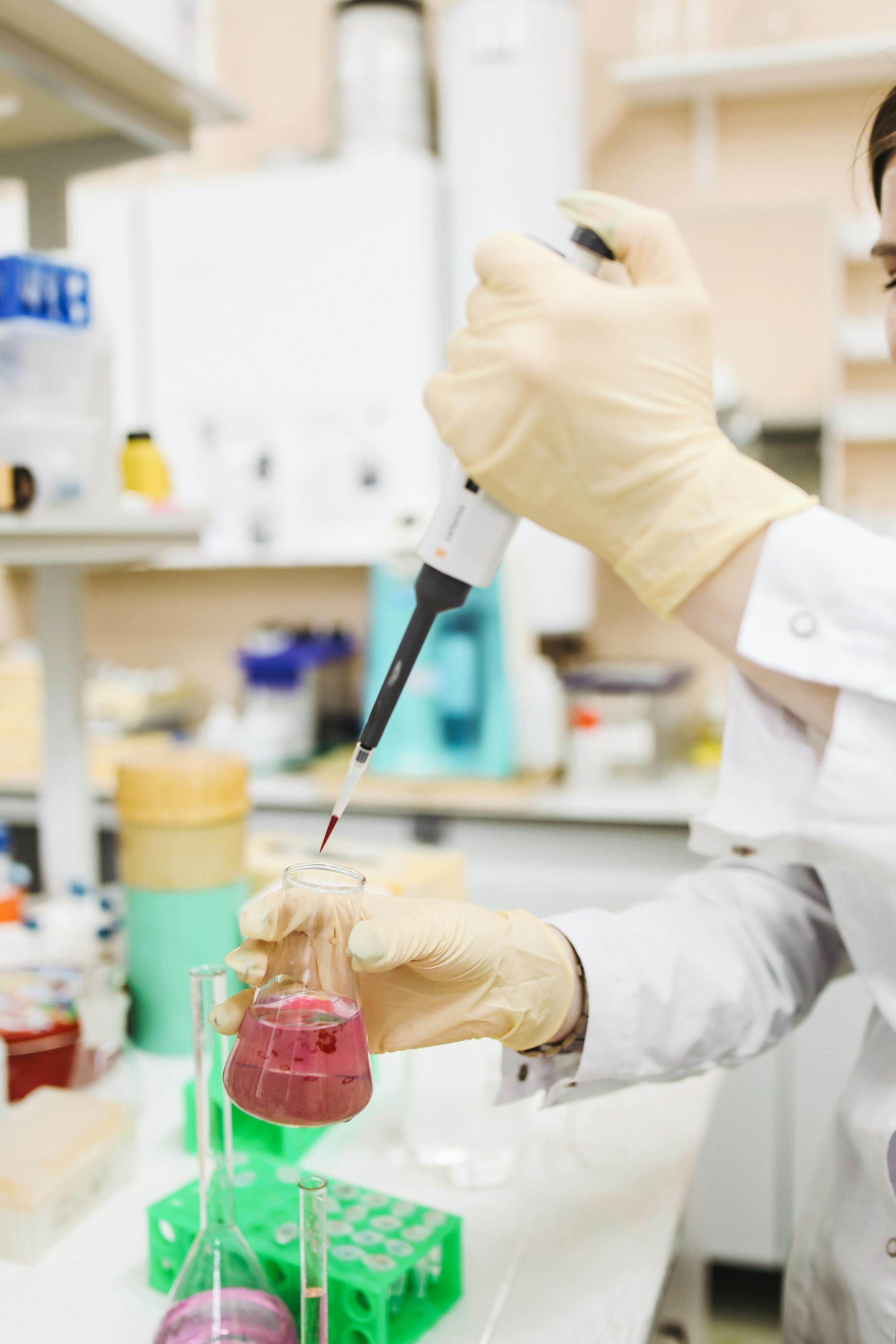
The research on seed cycling specifically is thin. There are a handful of small trials and case series, mostly positive, but none at the scale that would satisfy a pharmaceutical regulator. However, the research on the individual components is substantial and worth examining.
Flax seed lignans have been studied extensively in women. A 2013 review in Nutrition Reviews concluded that flax seed consumption at doses of 10 to 40 grams daily modestly affects estrogen metabolism, shifting it toward less potent and less cancer promoting pathways. The lengthening of the luteal phase in women with luteal phase defects has been documented in small trials.
Pumpkin seed zinc content is meaningful. A single tablespoon supplies around 1 to 2 mg of zinc, which is a small but consistent contribution to daily needs. Since zinc is rate limiting for progesterone synthesis and testosterone metabolism, chronic low zinc intake is a plausible contributor to hormone disorders.
Sesame seed lignans, particularly sesamin and sesamolin, have been shown in Japanese research to modulate sex hormone binding globulin levels and weakly bind estrogen receptors in ways that produce clinically measurable cycle changes.
Selenium from sunflower seeds is important for thyroid function and for glutathione peroxidase activity in the liver, both of which affect hormone metabolism indirectly. Vitamin E supports progesterone function, and sunflower seeds are among the richest dietary sources.
So while the seed cycling protocol as a branded practice has limited direct evidence, each of the four seeds has documented effects on hormone related pathways that are at least consistent with the claims made for the practice.
The Mechanism Argument And Its Limits
Critics point out that the proposed mechanism, where specific seeds influence specific hormone phases, is not well supported by pharmacokinetics. The half lives of lignans and the timelines of hormone synthesis do not map cleanly onto a two week alternating schedule. Phytoestrogens consumed today do not disappear the day you switch seeds.
This is a fair criticism. The seed cycling mechanism is probably oversimplified. What may actually be happening is that women doing seed cycling are adding one to two tablespoons of nutrient dense seeds to their diet daily, which increases intake of fiber, omega 3 fats, lignans, zinc, selenium, and vitamin E by a meaningful amount compared with a typical Western diet. That alone would produce measurable hormonal effects in many women.
The cycle phasing may matter less than the daily addition of seeds. If you ate four tablespoons of mixed seeds every day for a year, you might get similar results. The cycling may serve mainly as a behavioral framework that makes the practice memorable and sustainable rather than as a biochemical necessity.
What Women Actually Report
The subjective reports are remarkably consistent across the women who try seed cycling. Improvements in PMS severity, particularly breast tenderness and mood swings, are the most common. Menstrual flow often becomes lighter and less painful. Cycle length tends to normalize, moving toward the textbook 28 day range in women with shorter or longer cycles.
Acne related to hormonal cycles often improves, likely due to the combination of anti inflammatory omega 3s from flax and zinc from pumpkin seeds. Skin texture improves for similar reasons.
In women with PCOS, seed cycling is sometimes reported to help regulate previously absent cycles, though this should not replace medical management. In women approaching menopause, hot flashes and mood changes may moderate somewhat, consistent with the phytoestrogen effect of flax and sesame lignans.
What does not reliably improve is structural hormonal disorders. Fibroids do not shrink measurably on seed cycling. Endometriosis pain does not reliably decrease. Fertility in women with actual pathology does not improve. This is not a treatment for disease. It is a nutritional practice for optimizing function in otherwise healthy women.
The Practical How To
Seeds must be ground to be bioavailable. Whole flax seeds pass through the digestive tract largely undigested. Ground seeds deliver the nutrients and lignans but also oxidize quickly. The practical solution is to grind two to three days worth at a time in a coffee grinder or small food processor and store in the refrigerator in an airtight container.
Some women grind a full weekly supply on Sunday. This is fine for short periods but loses some nutritional value by day six or seven. Grinding daily is ideal but unrealistic for most.
The seeds can be added to smoothies, yogurt, oatmeal, or soup. They can be mixed into salad dressings. They can be sprinkled on top of almost any meal without dramatically changing flavor. Raw sprinkled on food is fine. Baking destroys some of the lignans but retains most of the nutrients.
Taste is a consideration. Flax has a mild nutty flavor that most people tolerate. Pumpkin is mild and palatable. Sesame is slightly bitter and works best blended into dishes. Sunflower is mild and nutty. Most women develop favorite vehicles for each phase over time.
Tracking And Expectations
Women serious about seed cycling should track their cycles carefully. A paper calendar, a menstrual tracking app, or a simple spreadsheet works. Note cycle length, flow, PMS symptoms, and any changes in skin, sleep, or mood. Three full cycles is the minimum to judge whether seed cycling is making a difference for you.
Some women notice changes in the first cycle. Most notice something by the second or third. Women with severe hormonal issues may not notice much at all, which is not a failure of seed cycling but a sign that the underlying pathology needs more than nutritional support.
If nothing has changed after four to six months, seed cycling is probably not doing much for you, and continuing out of hope is not worthwhile. Redirect the effort to something else.
When Seed Cycling Is A Bad Idea
Women on certain medications should check with their physician. Warfarin and other anticoagulants can interact with high flax seed intake due to the omega 3 content. Tamoxifen and related hormone therapies may interact with lignan rich seeds. Seeds of all kinds can worsen symptoms in women with certain digestive disorders like severe diverticulitis.
Women with a history of hormone sensitive cancers should discuss phytoestrogen intake with their oncology team. The evidence is actually reassuring that dietary phytoestrogens from whole foods are safe and possibly protective, but individual cases vary.
Allergies are obvious but worth mentioning. Sesame allergy is increasingly common and can be severe. Sunflower allergy exists. Pumpkin seed allergy is rare. Flax sensitivity is unusual but not unheard of.
Building A Realistic Nutritional Frame
The best way to think about seed cycling is as a structured practice for getting specific nutrient dense foods into your diet in a way that is easier to remember than just trying to eat more seeds. Whether the phase specific timing matters much is uncertain. What is certain is that most women undereat seeds and would benefit from eating more.
If the cycling schedule is too complicated to maintain, just eat a mix of all four seeds every day. The hormonal benefits of consistent seed intake will happen regardless of the calendar. If the cycling schedule makes the practice feel meaningful and sustainable, by all means follow it. Adherence is what matters.
The Bottom Line
Seed cycling is not pseudoscience, but it is not a precisely calibrated medical protocol either. It is a practical framework for adding hormone supportive nutrients to a woman's diet through food rather than supplements. The individual components have real research behind them, and the cumulative effect on PMS, cycle regularity, and skin is real for many women.
Do it if the structure helps you be consistent. Skip the cycling schedule and just eat seeds daily if that is easier. Track your cycles to know whether it is working. Expect modest improvements over three to six months, not dramatic overnight changes. And do not confuse nutritional support with medical treatment. Women with structural hormonal disorders need more than seeds, and pretending otherwise delays care that matters.
Sources and Further Reading
Health and Beyond uses reputable medical and scientific sources where possible. These links support or expand on the topics discussed above.