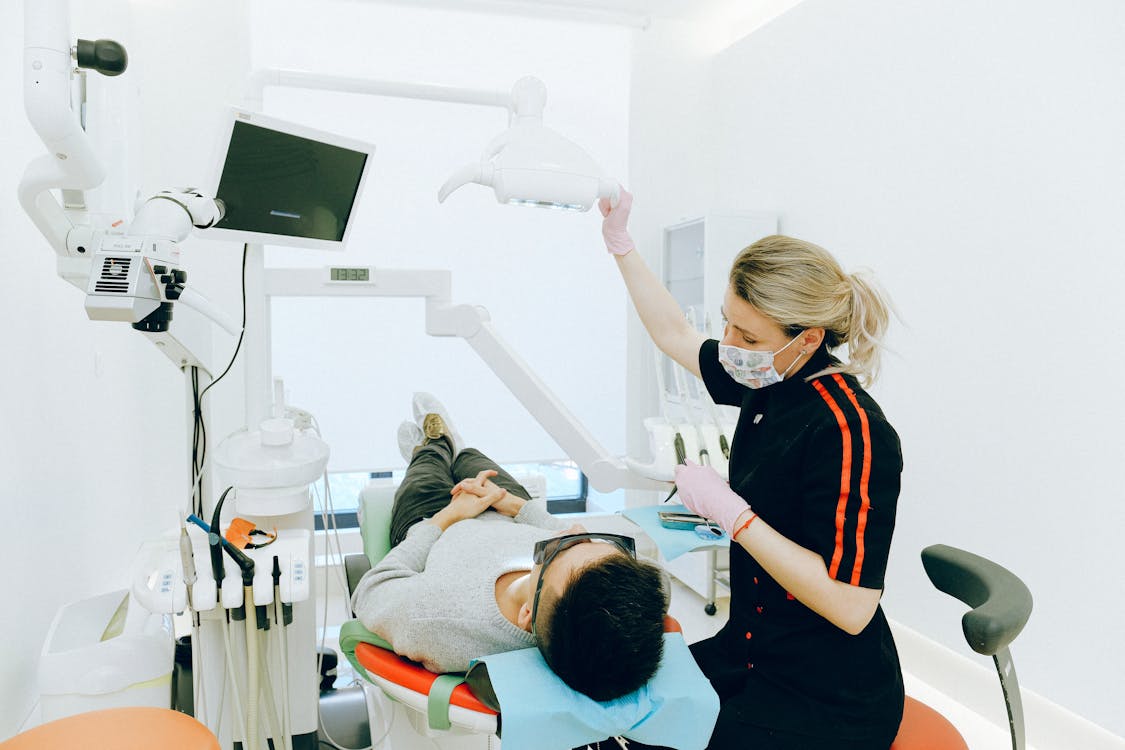
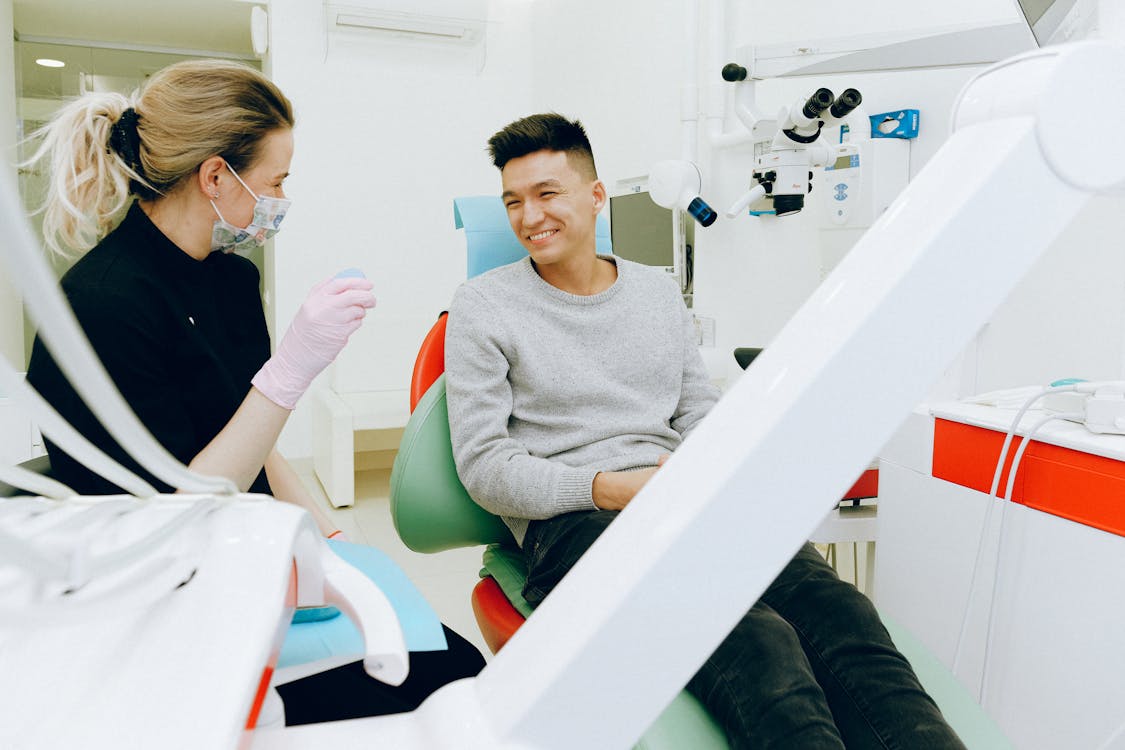
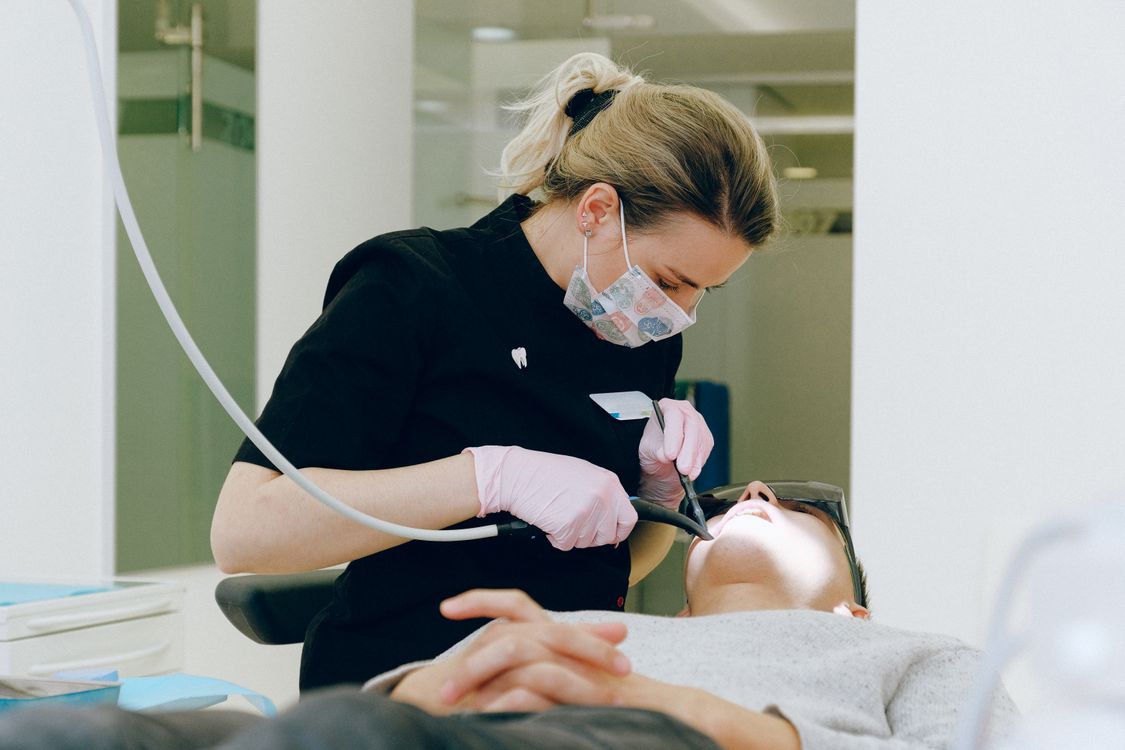
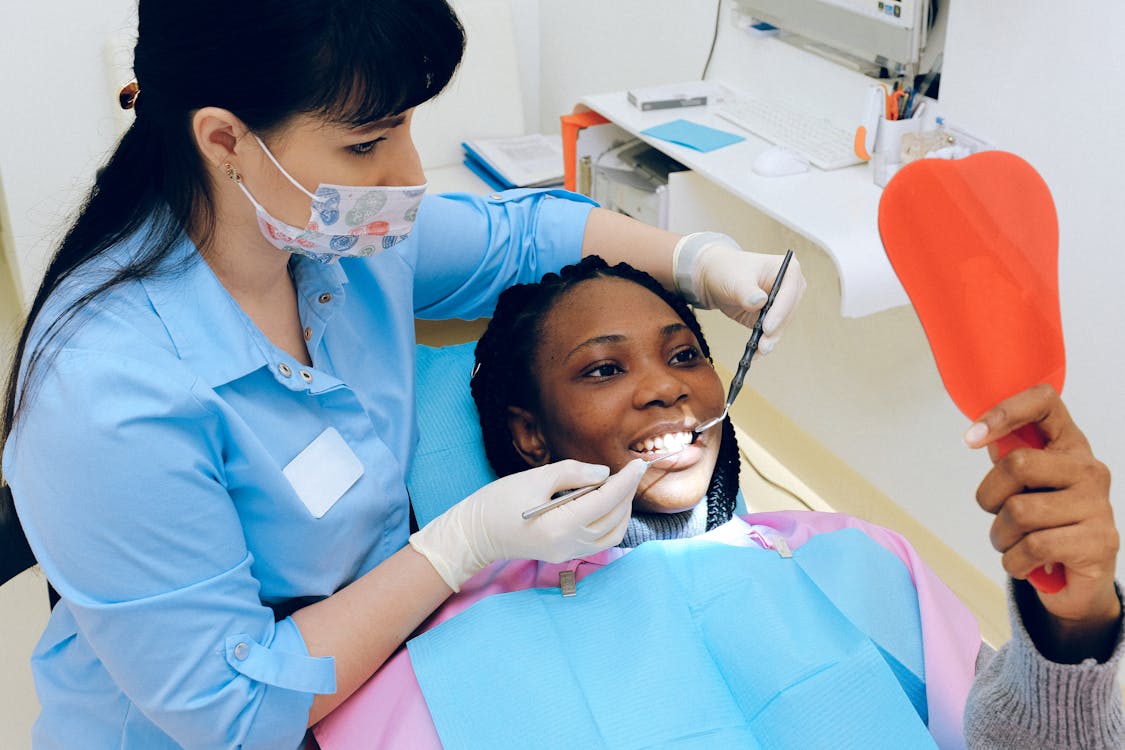
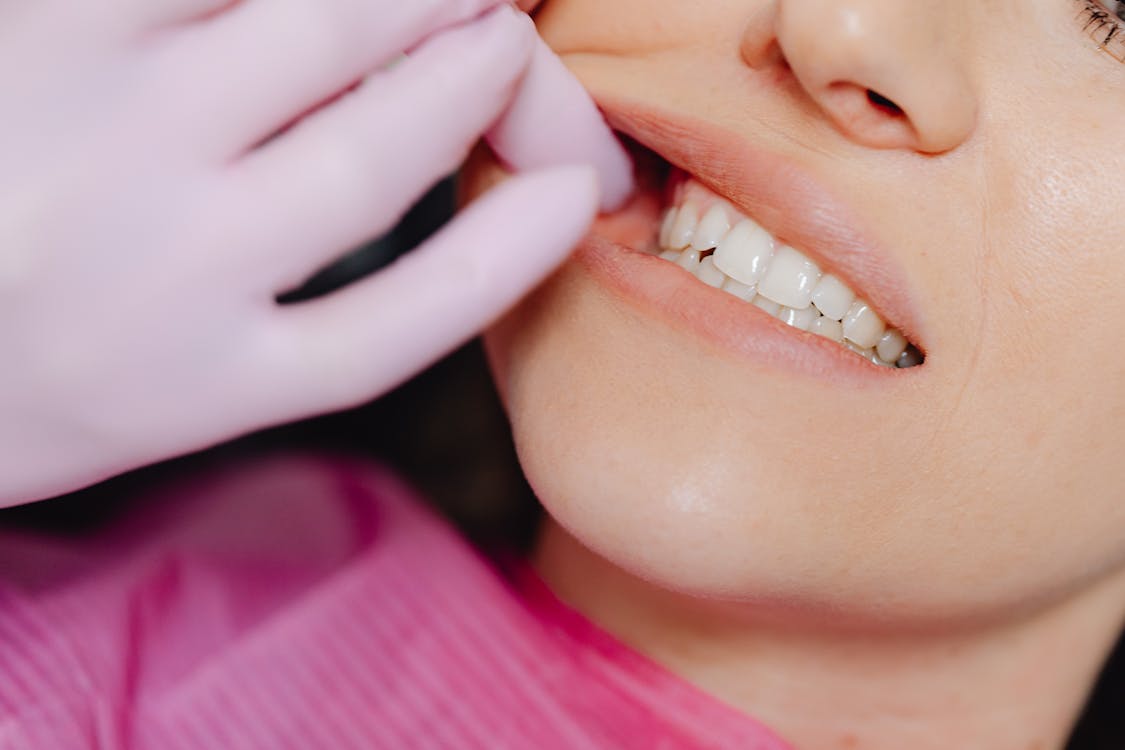
The sharp smell of the dental office. The high-pitched whine of a drill in the distance. The vulnerable reclined position in the chair. For millions of people, these sensory triggers produce anxiety ranging from mild unease to full-blown panic that prevents them from seeking dental care entirely. Dental anxiety is not a character flaw, a sign of weakness, or something to be embarrassed about. It is one of the most common health-related fears, affecting an estimated 36 percent of the population at some level, with 12 to 20 percent experiencing anxiety severe enough to be classified as dental phobia — a condition that leads to complete avoidance of dental care.
The consequences of avoidance are devastating and predictable. Small cavities become root canals. Early gum disease progresses to advanced periodontitis and tooth loss. Oral infections spread, causing pain, swelling, and systemic health complications. By the time avoidance-driven dental neglect produces enough pain to override the fear, the treatment required is more complex, more invasive, and more expensive than what would have been needed years earlier. The cycle becomes self-reinforcing: avoidance leads to worsening dental problems, which require more invasive treatment, which deepens the fear, which drives further avoidance.
Breaking this cycle requires understanding what drives dental anxiety and then systematically applying strategies that make dental care accessible. Modern dentistry offers an unprecedented range of approaches to anxiety management, from behavioral techniques that require no medication to deep sedation that eliminates awareness entirely.
Understanding Dental Anxiety
Common Triggers
Dental anxiety rarely stems from a single source. Most anxious patients identify multiple triggers that combine to create an overwhelming experience.
Fear of pain remains the most commonly reported trigger, often rooted in past negative experiences. A painful procedure during childhood, an injection that was not adequately numbed, or any experience where the patient felt pain during treatment can create a lasting association between dental offices and suffering. Even though modern anesthesia techniques can provide complete pain control in virtually all situations, the emotional memory of past pain overrides intellectual understanding.
Loss of control is a powerful anxiety driver that extends beyond dentistry but is particularly acute in the dental setting. Lying supine with the mouth open while someone works with sharp instruments inches from the eyes and throat places the patient in an inherently vulnerable position. People who need to feel in control — which is most people — find this vulnerability deeply unsettling.
Fear of needles affects a significant proportion of dental-anxious patients. The intraoral injection, which many patients consider the most uncomfortable part of any dental procedure, becomes the focus of anticipatory anxiety that begins days before the appointment.
The sounds of dental instruments — particularly the high-speed handpiece — trigger anxiety through both learned association and the inherently alarming quality of the sound itself. Gagging reflexes, embarrassment about the condition of their teeth, fear of judgment from the dental team, and concern about costs all contribute additional layers to the anxiety experience.
The Psychology of Dental Fear
Dental anxiety operates through the same neurological pathways as other phobias. The amygdala — the brain's threat detection center — tags dental-related stimuli as dangerous based on previous negative experiences, stories from others, or media portrayals. Once this threat association is established, encountering dental-related cues triggers an automatic fight-or-flight response that produces rapid heartbeat, muscle tension, sweating, nausea, and an overwhelming urge to flee.
This response is neurologically genuine — the anxious patient's body is experiencing a real physiological threat response, not merely thinking unpleasant thoughts. Telling someone with dental phobia to simply relax is about as effective as telling someone with a spider phobia to simply reach into the terrarium. The response occurs below the level of conscious control, which is precisely why strategies that address the neurological response rather than just the conscious thoughts are necessary.
Communication Strategies
Finding the Right Dentist
The single most impactful step for an anxious patient is finding a dentist who takes dental anxiety seriously and has specific training and experience in managing it. Not all dental practices are equally equipped for anxious patients — the rushed, assembly-line practice where patients are processed quickly is likely to exacerbate anxiety, while a practice that allows longer appointment times, explains procedures thoroughly, and actively accommodates anxious patients can transform the experience.
When searching for a dentist, calling ahead to ask specifically about their approach to anxious patients reveals much about the practice culture. Ask whether they offer sedation options, what techniques they use to manage anxiety, whether they are willing to schedule a consultation visit separate from treatment, and whether they allow extra time for anxious patients. The American Dental Association's Find-a-Dentist tool can help locate practitioners, and many anxious-patient-focused dentists specifically market their approach.
Establishing a Signal System
Agreeing on a stop signal before any procedure begins gives the patient a tangible sense of control. A raised hand, for instance, means the dentist immediately pauses. Knowing that you can halt the procedure at any moment — and experiencing a dentist who reliably honors that signal — gradually rebuilds the trust that previous negative experiences may have destroyed.
Pre-Appointment Communication
Discussing fears openly with the dental team before treatment allows the team to tailor their approach. A patient who fears needles receives extra topical anesthetic before injections and may be offered techniques that reduce injection discomfort. A patient who fears loss of control receives step-by-step narration of what is happening. A patient embarrassed about their teeth hears explicitly that the team is there to help without judgment.
Asking for a detailed explanation of what a procedure involves — and having questions answered honestly, including about potential discomfort — often reduces anxiety more than reassuring platitudes. Uncertainty feeds fear; concrete information replaces unknown threats with manageable realities.
Behavioral and Relaxation Techniques
Controlled Breathing
Diaphragmatic breathing — slow, deep breaths that expand the belly rather than the chest — directly counteracts the physiological fight-or-flight response. Breathing in for a count of four, holding for four, and exhaling for six engages the parasympathetic nervous system, which opposes the stress response. Practicing this technique before the appointment and using it in the dental chair provides a powerful, no-cost anxiety management tool.
Progressive Muscle Relaxation
Systematically tensing and then releasing muscle groups throughout the body reduces the physical tension that accompanies anxiety. Starting from the feet and working upward — tensing each muscle group for five seconds, then consciously releasing for ten seconds — can be performed in the dental chair during procedures. The contrast between deliberate tension and relaxation teaches the body to recognize and release the unconscious muscle clenching that anxiety produces.
Distraction
Noise-canceling headphones with music, podcasts, or audiobooks redirect attention away from dental sounds that trigger anxiety. Many practices provide televisions or virtual reality headsets that offer visual distraction during procedures. Even simply counting backward from 100 or mentally reciting song lyrics during uncomfortable moments provides cognitive distraction that reduces the perceived intensity of the experience.
Cognitive Behavioral Approaches
Cognitive behavioral therapy specifically targeted at dental phobia has demonstrated significant effectiveness in research. The approach involves identifying the specific catastrophic thoughts that drive anxiety, examining the evidence for and against these thoughts, developing more realistic alternative thoughts, and gradually exposing the person to dental situations of increasing intensity.
For severe dental phobia, working with a therapist who specializes in specific phobias before resuming dental care can transform the experience from impossible to manageable. Even a few sessions focused specifically on dental fear can produce meaningful improvement.
Sedation Dentistry Options
When behavioral strategies alone are insufficient, sedation options provide pharmaceutical anxiety management that can make even complex dental treatment accessible to severely anxious patients.
Nitrous Oxide (Laughing Gas)
Nitrous oxide, delivered through a small nasal mask during the procedure, produces mild sedation characterized by relaxation, reduced anxiety, altered time perception, and mild euphoria. The patient remains fully conscious and responsive but feels pleasantly detached from the dental experience.
Nitrous oxide offers several advantages for anxious patients. Its effects begin within minutes and dissipate equally quickly — patients can usually drive themselves home after the appointment. The level of sedation is easily adjusted throughout the procedure by changing the gas concentration. It is extremely safe, with decades of use and minimal side effects.
The limitation is that nitrous oxide provides only mild sedation. For patients with moderate to severe anxiety, it may be insufficient as a standalone approach, though it combines well with other anxiety management strategies.
Oral Sedation
Oral sedation involves taking a prescription medication — typically a benzodiazepine such as triazolam — one hour before the dental appointment. The medication produces moderate sedation, significant anxiety reduction, and often amnesia for the procedure. Patients remain conscious and can respond to instructions but feel deeply relaxed and may have little or no memory of the treatment afterward.
The amnesia effect is therapeutically valuable because it prevents the formation of new negative dental memories that could reinforce fear. A patient who remembers nothing unpleasant about a dental visit has one fewer negative experience contributing to their anxiety.
Oral sedation requires a responsible adult to drive the patient to and from the appointment, as the medication impairs driving ability for several hours. Patients should also arrange to rest for the remainder of the day following the appointment.
Intravenous Sedation
IV sedation delivers sedative medications directly into the bloodstream, providing deeper and more controllable sedation than oral administration. The dentist or anesthesiologist can adjust the sedation level in real time, deepening it for more stimulating portions of the procedure and lightening it during less intense phases.
Patients under IV sedation are typically in a twilight state — technically conscious but deeply relaxed and largely unaware of the procedure. Amnesia is nearly universal. Complex treatments that might otherwise require multiple anxiety-filled appointments can often be completed in a single sedated session, which for some patients represents the only feasible path to comprehensive dental care.
General Anesthesia
Complete unconsciousness through general anesthesia is reserved for patients with extreme dental phobia, extensive treatment needs, severe gag reflexes, or medical conditions that make other sedation approaches inappropriate. General anesthesia is typically administered in a hospital or surgical center setting with a dedicated anesthesia team.
While general anesthesia eliminates all awareness and anxiety during the procedure, it carries higher risks and costs than other sedation options and requires a longer recovery period. It represents the deepest level of sedation available and is typically recommended only when other approaches have proven insufficient.
Building Positive Experiences
Recovery from dental anxiety is incremental. Each positive dental experience creates a new data point that gradually counterbalances the accumulated negative associations driving the fear.
Starting with the least threatening dental experience — a consultation with no treatment, just conversation and examination — builds a foundation of safety. When that visit produces no pain and no negative experience, the next step — a simple cleaning, perhaps — feels slightly less threatening. Gradual exposure, where each visit is slightly more involved than the last, follows the same evidence-based principle that treats other phobias effectively.
Celebrating successful dental visits, however small, reinforces the new positive associations. Acknowledging the courage required to attend the appointment rather than minimizing the achievement respects the genuine difficulty of overcoming dental fear.
Special Considerations
Children develop dental anxiety through their own negative experiences, through absorbing their parents' anxiety, or through frightening descriptions of dental visits from peers or media. Parents who manage their own dental anxiety, avoid using threatening language about dentists, and select a pediatric dentist experienced in child behavior management give their children the best chance of developing neutral or positive associations with dental care.
Patients with histories of trauma — particularly oral or facial trauma, abuse, or experiences involving loss of control — may experience dental situations as triggering in ways that go beyond typical dental anxiety. These patients benefit from dental teams trained in trauma-informed care and may need concurrent mental health support during their return to dental treatment.
Elderly patients and those with cognitive impairment may experience dental anxiety differently, with confusion amplifying fear and communication barriers complicating anxiety management. Patience, clear communication, and sedation options appropriate for the patient's medical status help manage anxiety in these populations.
Moving Forward
Dental anxiety is real, common, and treatable. No one should accept a lifetime of deteriorating dental health because fear stands between them and the care their teeth need. The range of available solutions — from simple breathing techniques to complete sedation — means that virtually every anxious patient can find an approach that makes dental care accessible.
The first step is the hardest: making the phone call. Finding a dentist who understands dental anxiety and scheduling a no-pressure consultation visit removes the immediate threat while beginning the process of building positive associations. From that foundation, each subsequent step becomes incrementally easier. The goal is not fearlessness — it is a functional relationship with dental care that protects your health despite the fear that may never fully disappear.
Sources and Further Reading
Health and Beyond uses reputable medical and scientific sources where possible. These links support or expand on the topics discussed above.