Continuous glucose monitors, or CGMs, used to be prescription-only devices worn by people with type 1 or type 2 diabetes. In the past few years that has changed. Over-the-counter CGMs are now available in many countries, and a growing wave of healthy, curious adults are wearing them to see what their blood sugar is doing in real time. Some report life-changing insights. Others find the data confusing or anxiety-producing. What does the evidence actually say, and is a CGM worth wearing if you do not have diabetes?
This guide takes an honest look. It explains how CGMs work, what healthy glucose patterns look like, what the research does and does not support, and how to decide whether the investment of money, attention, and mental bandwidth is worth it for you.
What A CGM Is And How It Works
A continuous glucose monitor is a small sensor, usually worn on the back of the upper arm, that measures glucose levels in the fluid between cells every few minutes. A tiny filament sits just under the skin and transmits readings to a phone app. Modern sensors last ten to fourteen days before needing replacement.
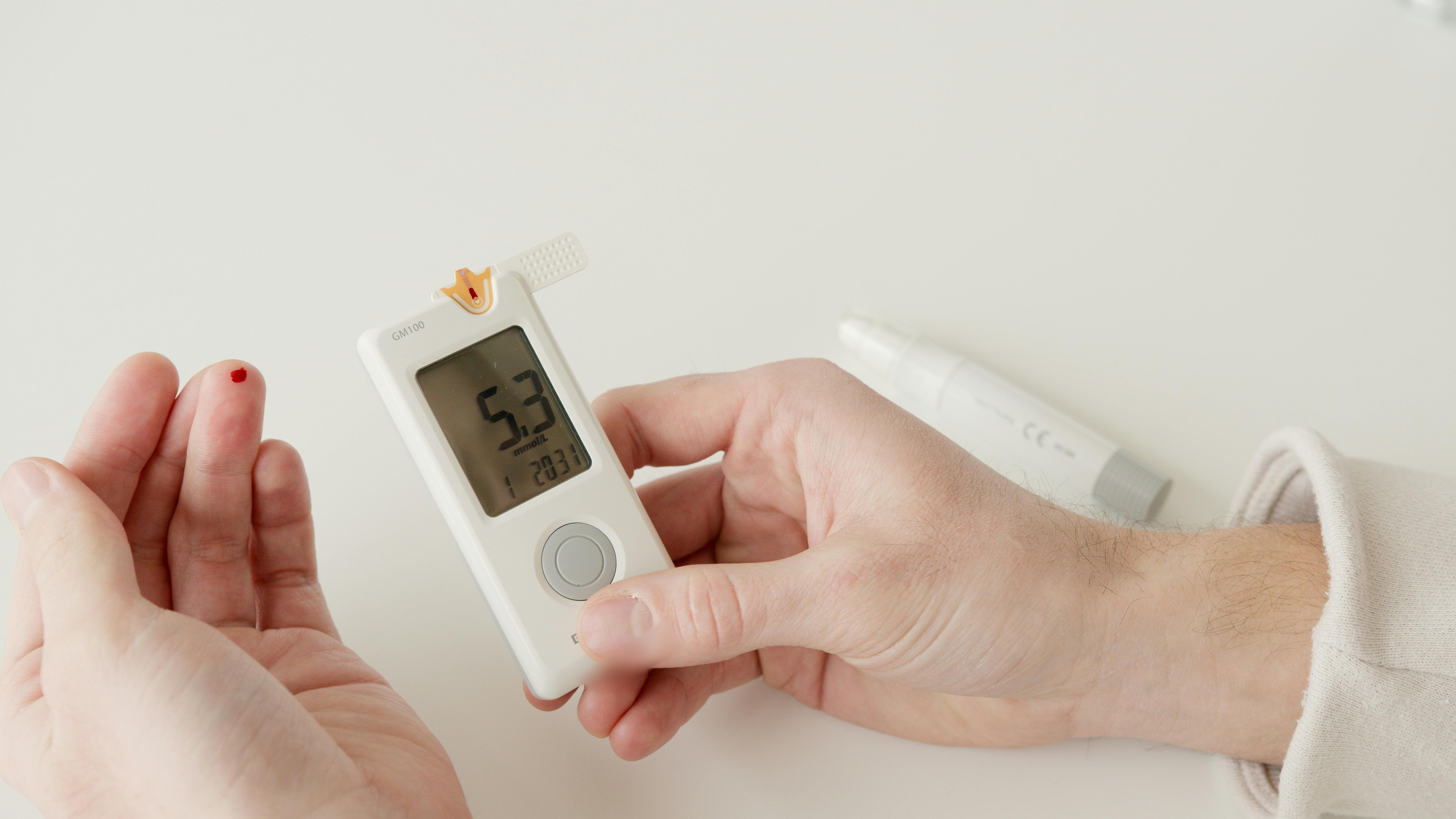
The reading is not quite the same as a fingerstick blood glucose test. A CGM measures interstitial fluid, which lags blood glucose by five to fifteen minutes. For most purposes the difference does not matter, but during rapid changes, like right after eating a sugary meal, the CGM reading can trail behind the actual blood value.
Popular consumer options include the Dexcom Stelo, the Abbott Lingo and Libre Rio, and several others that have emerged since the FDA cleared over-the-counter CGMs for non-diabetic use in 2024. Prices range from around seventy to two hundred dollars per month depending on the device and any subscription app attached.
What Healthy Glucose Looks Like
Before you can interpret a CGM trace, you need a sense of what normal actually is. For a person without diabetes, typical glucose behavior looks roughly like this.
Fasting glucose, measured first thing in the morning before eating, sits between 70 and 99 mg/dL. Most healthy people land in the low to mid eighties.
After a meal, glucose rises for thirty to ninety minutes, peaks somewhere between 120 and 160 mg/dL in most people, then returns to baseline within two to three hours. A peak in the 170s or 180s occasionally is not alarming, especially after a high-carbohydrate meal. Consistent peaks above 180 suggest something worth paying attention to.
Average glucose over a full day typically falls between 90 and 110 mg/dL for a metabolically healthy adult. Time spent above 140 is usually well under an hour total.
Between meals and overnight, glucose should be stable and relatively flat. Large swings between meals or nighttime drops into the 50s or 60s suggest either eating patterns or stress-response patterns worth examining.
These ranges come from research studies that placed CGMs on healthy volunteers without diabetes. Individual responses vary more than people expect. Two people eating the same meal can have peaks that differ by thirty or forty points. Genetics, sleep, stress, activity level, and even what was eaten the day before all influence the response.
What A CGM Can Show You
The most valuable insight a CGM provides for a non-diabetic is personalization. Not all carbohydrates affect everyone the same way. You might discover that oats spike you hard while rice does not, or vice versa. You might find that your afternoon coffee bumps your glucose up even without sugar because caffeine raises cortisol. You might see that a stressful meeting does the same thing.
Wearers often notice patterns around the following.
Meal composition. The same calorie count can produce very different glucose curves depending on whether protein, fat, and fiber are present. A bowl of plain white rice produces a much higher spike than the same rice with fish, vegetables, and olive oil.
Meal order. Eating vegetables and protein first, then carbohydrates, produces noticeably smaller glucose peaks than eating the carbs first.
Movement. A ten to fifteen minute walk after a meal can cut the peak by thirty to fifty percent. This is one of the most consistent findings in CGM data.
Sleep and stress. A short night or a hard day produces higher fasting glucose and bigger post-meal peaks the next day. The effect is often dramatic.
Alcohol. Many people see glucose drop after evening drinks, then rebound higher than usual by morning.
These observations can genuinely change behavior. A person who has heard for years that walking after meals is good may finally do it when they see with their own eyes that it works.
What The Research Supports And What It Does Not
The evidence base for CGM use in non-diabetics is still thin. A few things are well established.
CGMs accurately reflect glucose patterns. The devices themselves are reliable. Data quality is generally good in people without diabetes.
Post-meal glucose spikes are individual. The PREDICT study out of King College London clearly showed this, with huge inter-person variation in response to the same meals.
Behavior change can happen. Several small trials have shown that people who wear CGMs make modest improvements in diet quality and exercise habits, at least in the short term.
What the evidence does not yet show is that CGM use in otherwise healthy non-diabetics improves long-term health outcomes. No large randomized trial has demonstrated that wearing a CGM reduces heart attacks, diabetes, or mortality in people without diabetes or pre-diabetes. Claims about optimizing metabolic health with a CGM are extrapolations from mechanistic data, not proven outcomes.
This matters. It does not mean CGMs are useless for non-diabetics. It does mean that anyone claiming a CGM will add years to your life is getting ahead of the data.
Who Benefits Most
Based on what we know today, several groups are most likely to get real value from wearing a CGM.
People with pre-diabetes or a strong family history of type 2 diabetes. Seeing post-meal spikes in real time is a powerful motivator, and the information directly informs lifestyle changes that can delay or prevent progression.
People with metabolic syndrome or elevated fasting glucose. The same logic applies. A CGM helps connect specific foods and behaviors to specific glucose responses.
Women with polycystic ovary syndrome. Insulin resistance is central to PCOS, and CGM data can guide dietary approaches that improve both metabolic markers and symptoms.
Athletes and endurance competitors. Glucose availability during training and races is a real performance factor, and CGM data can refine fueling strategies.
People recovering from eating disorders or in weight-loss maintenance. Used carefully, CGM data can normalize eating patterns. Used carelessly, it can reinforce obsessive behavior. A therapist or dietitian in the loop helps.
The curious and data-driven. People who simply want to understand their own biology can get real insight from a month or two of wear.
Who Should Be Cautious
CGMs are not for everyone. A few situations call for caution.
People prone to health anxiety. Watching numbers rise and fall all day can become compulsive. Normal glucose excursions that used to go unnoticed can feel alarming.
People with a history of disordered eating. The device can intensify restrictive patterns and food fear. Clinical supervision is wise.
People expecting dramatic results from a short trial. Two weeks is often not enough to see patterns clearly. Real insight usually takes a full month.
Budget-sensitive users. At seventy to two hundred dollars a month ongoing, a CGM is not a trivial expense. The same money could fund a personal trainer, gym membership, or quality food with more measurable return.
Practical Tips If You Decide To Wear One
Plan a structured trial. Two or four weeks, with a specific question you want to answer. For example, how do different breakfasts affect my morning glucose? How much does a walk after dinner change my evening curve?
Keep a simple food and activity log. The CGM app alone does not tell you what caused a spike. Five-second notes on your phone make the data actionable.
Do not chase flat lines. Healthy glucose rises and falls. A completely flat trace usually means you are under-eating, which is not the goal.
Focus on patterns, not single readings. One spike after pizza does not mean pizza is poison. A week of high fasting glucose after poor sleep is a pattern worth acting on.
Use the data to test changes, not to judge yourself. Walk after meals for a week and compare. Swap a breakfast and see what happens. Treat your body as a lab, not a courtroom.
Know when to stop. If wearing the device is making you anxious or obsessive, take it off. The goal is better health, not a perfect graph.
The Bottom Line
Continuous glucose monitors are useful tools for a specific set of goals: understanding your own glucose response, motivating lifestyle change, and catching pre-diabetes early. They are not magic, they do not replace proven fundamentals like good sleep, regular movement, and whole-food eating, and the long-term outcome data in non-diabetics is not yet in.
If you are curious, can afford it, and are in a good mental place for self-experimentation, a month of CGM wear can be eye-opening. Pay attention to the patterns, act on what you learn, then move on. The insights, not the device itself, are what change your health.
Sources and Further Reading
Health and Beyond uses reputable medical and scientific sources where possible. These links support or expand on the topics discussed above.
- CDC: About Diabetescdc.gov
- CDC: PCOS and Diabetes Riskcdc.gov
- NIDDK: Diabetes Overviewniddk.nih.gov