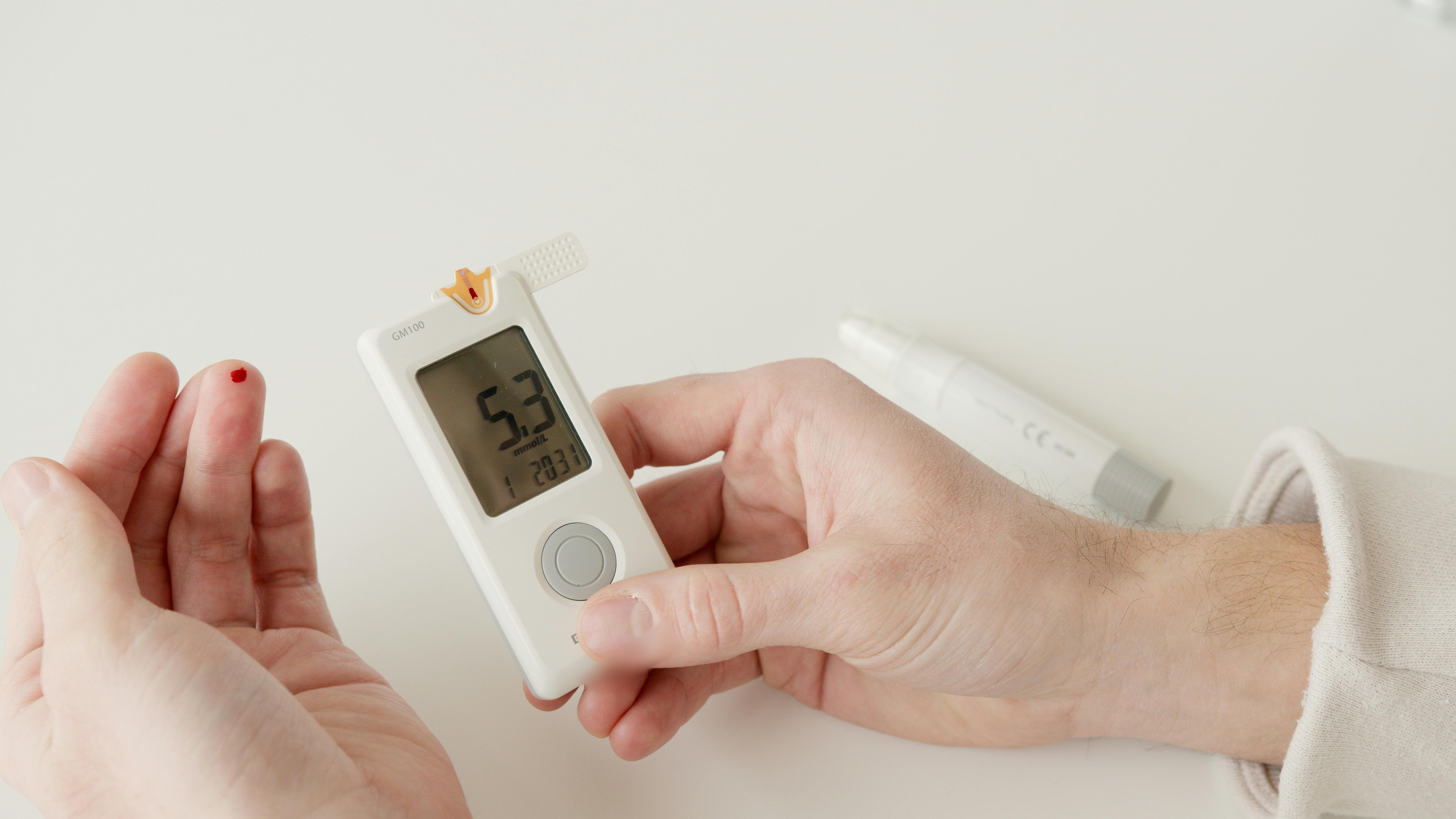
The health wearable market has matured from simple step counters into sophisticated health monitoring platforms. Apple Watch, Garmin watches, and Oura Ring represent three distinct philosophies for tracking and improving health — each with genuine strengths and real limitations. Choosing between them depends less on which is objectively best and more on what you actually want to monitor, how you plan to use the data, and what fits your lifestyle.
Having tested and researched all three extensively, the honest answer is that each one is genuinely excellent for specific use cases and genuinely inferior for others. Understanding those trade-offs prevents buyer regret and helps you invest in the device that actually serves your health goals.
Apple Watch: The All-Rounder
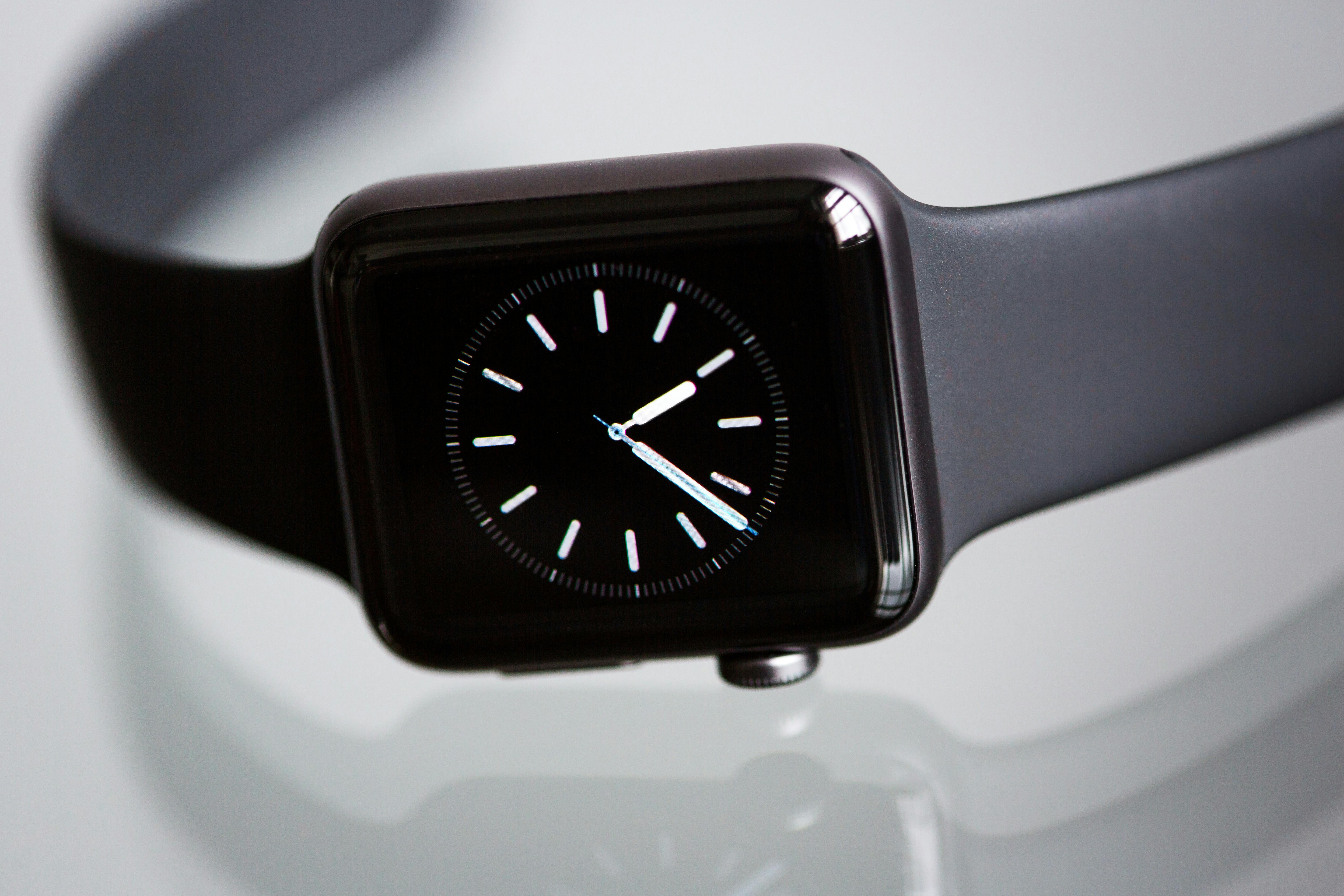
Apple Watch is the most popular smartwatch globally, and its health features have evolved from basic fitness tracking to legitimate medical monitoring. The latest models include heart rate monitoring, ECG capability, blood oxygen measurement, temperature sensing, fall detection, crash detection, and sleep tracking.
Strengths
The ecosystem integration is unmatched if you are an iPhone user. Notifications, phone calls, texts, Apple Pay, and dozens of health apps work seamlessly from the wrist. The Apple Health app aggregates data from the watch and other sources into a comprehensive health dashboard.
Activity rings — move, exercise, and stand — gamify daily movement in a way that genuinely motivates many people. The simple visual of closing three rings daily has changed behavior for millions of users.
Heart health features are clinically validated. The ECG function can detect atrial fibrillation, and irregular rhythm notifications have prompted users to seek medical attention that led to early diagnosis of serious conditions. The feature has saved lives.
Workout tracking covers dozens of activity types with reasonable accuracy for calories, distance, and heart rate zones. GPS tracking for outdoor activities is reliable.
Emergency SOS and fall detection provide safety benefits that go beyond health tracking. For older adults or people with medical conditions, these features provide meaningful peace of mind.
Limitations
Battery life is the most significant weakness. Most Apple Watch models last eighteen to thirty-six hours on a single charge, requiring daily or near-daily charging. This limits sleep tracking because many people charge overnight — exactly when sleep monitoring should be happening.
Sleep tracking, while improved in recent updates, remains basic compared to dedicated sleep trackers. Sleep stage accuracy lags behind devices that use more advanced sensors or prioritize sleep monitoring.
The watch is bulky for sleep. Wearing a substantial watch to bed is uncomfortable for many people, particularly side sleepers. This practical barrier reduces the usefulness of sleep features even when battery life allows overnight wear.
Health data depth is moderate. Apple Watch provides enough data for most health-conscious consumers but lacks the granularity that serious athletes or biohackers want. Heart rate variability data, for example, is available but not presented with the context and analysis that more specialized devices provide.
Best For
People who want a single device covering smartwatch functions, fitness tracking, heart health monitoring, and safety features. iPhone users who value ecosystem integration. Casual to moderate exercisers. People who prioritize convenience and broad functionality over specialized depth.
Garmin: The Athlete and Adventurer
Garmin builds watches for people who take physical performance seriously. From entry-level fitness watches to advanced multisport computers, the Garmin lineup offers unmatched depth for exercise tracking, training guidance, and outdoor adventure.
Strengths
Training metrics are where Garmin dominates. Training load, training status, VO2 max estimation, recovery time, race predictor, performance condition, and body battery provide a level of athletic insight that no other wearable matches. Serious runners, cyclists, swimmers, and multisport athletes find these metrics genuinely useful for optimizing training.
Battery life is exceptional. Entry-level Garmin watches last one to two weeks. Mid-range models last one to three weeks. Premium models like the Fenix and Enduro series last weeks to months depending on feature usage. Solar charging models extend this further. This eliminates the battery anxiety that plagues Apple Watch and enables continuous wear including overnight sleep tracking.
GPS accuracy is best in class. Multi-band GPS on higher-end models provides precise tracking even in challenging environments like dense forests, urban canyons, and mountainous terrain. For outdoor activities where route accuracy matters, Garmin is the clear leader.
Outdoor and adventure features include altimeter, barometer, compass, topographic maps, breadcrumb navigation, and weather alerts. For hikers, trail runners, and backcountry adventurers, these are essential rather than novelty features.
Sleep tracking benefits from the always-on wear that excellent battery life enables. Sleep score, sleep stages, SpO2 monitoring, and HRV tracking overnight provide comprehensive sleep data.
Body Battery — Garmin proprietary energy level metric combining HRV, stress, activity, and sleep — provides an intuitive daily readout of how recovered you are. Many users find this the most actionable single metric for daily decision-making.
Limitations
Smartwatch features are secondary. Notification support exists but is less refined than Apple Watch. No cellular option on most models means the phone must be nearby for notifications. App ecosystem is functional but smaller and less polished.
The learning curve is steeper. Garmin provides enormous amounts of data, and understanding what the metrics mean and how to use them requires investment. Casual users may find the depth overwhelming rather than helpful.
Music storage and streaming are available on higher-end models but less seamless than Apple Watch. Contactless payment via Garmin Pay works but with fewer supported banks than Apple Pay.
The aesthetics are functional rather than fashionable for many models. While the Venu series offers a more refined look, most Garmin watches prioritize durability and readability over style.
Best For
Runners, cyclists, swimmers, and multisport athletes who want detailed training guidance. Outdoor enthusiasts and adventurers. Anyone who prioritizes battery life and continuous health monitoring. People who want depth of health and fitness data over smartwatch convenience.
Oura Ring: The Sleep and Recovery Specialist
Oura Ring takes a fundamentally different approach. Rather than a wrist-worn screen, it is a titanium ring that tracks health data from the finger. The form factor is the defining feature — you wear it like jewelry, and it disappears into daily life in a way no watch can match.
Strengths
Sleep tracking is where Oura excels. The ring finger location provides cleaner pulse and temperature signals than the wrist, and Oura uses this advantage to deliver industry-leading sleep stage accuracy. Studies have validated Oura sleep staging against polysomnography — the gold standard — with impressive correlation.
Sleep data includes total sleep time, sleep efficiency, time in each stage, latency, restfulness, heart rate during sleep, HRV trends, blood oxygen, and skin temperature variation. The morning readiness score synthesizes overnight data into an actionable daily recommendation.
The form factor enables truly continuous wear. Most people forget they are wearing the ring within days. There is nothing to charge nightly because battery life lasts four to seven days. Sleeping with a ring is comfortable for nearly everyone, unlike sleeping with a watch.
Temperature tracking detects trends that correlate with illness onset, menstrual cycle phase, and recovery status. Many users report that Oura detects oncoming illness one to two days before symptoms appear through temperature elevation and HRV changes.
HRV monitoring during sleep, when the body is in a consistent resting state, provides more reliable trend data than daytime spot checks. Oura tracks HRV trends over weeks and months, which is more useful for health optimization than daily fluctuations.
Limitations
No screen means no notifications, no GPS, no real-time workout guidance, and no smartwatch functions. Oura is purely a passive health monitor. If you want to see your heart rate during a run or get turn-by-turn navigation, Oura cannot help.
Workout tracking is basic. The ring detects activity and estimates calories but provides none of the detailed exercise metrics that watches offer. It knows you exercised but not the specifics of what you did.
Sizing is important and non-trivial. Oura ships a free sizing kit before the ring because finger sizes vary with temperature, hydration, and time of day. Getting the right size matters for both comfort and sensor accuracy.
The subscription model adds ongoing cost. After the initial ring purchase, a monthly fee unlocks the full feature set. Without the subscription, functionality is significantly limited.
Heart rate monitoring is limited to resting contexts. Oura does not provide real-time heart rate during exercise with the accuracy that wrist-based monitors achieve during dynamic movement.
Best For
People who prioritize sleep optimization and recovery tracking. Anyone who dislikes wearing a watch. People who want health data without screen distractions. Those who value the most accurate sleep staging available in a consumer device. Women tracking menstrual cycles through temperature data.
Head-to-Head Comparison
Sleep Tracking
Oura Ring wins decisively. Sleep stage accuracy is superior, the ring form factor enables more comfortable overnight wear, and the longer battery life eliminates charging conflicts with sleep monitoring. Garmin is second, benefiting from multi-day battery life. Apple Watch trails due to battery limitations and less refined sleep analysis.
Exercise Tracking
Garmin wins for serious athletes with unmatched training metrics, GPS accuracy, and sport-specific features. Apple Watch is excellent for casual to moderate fitness tracking with good workout variety. Oura provides minimal exercise tracking and should not be the primary device for anyone prioritizing workout data.
Heart Health
Apple Watch leads with FDA-cleared ECG and irregular rhythm detection. These are clinically validated features that Garmin and Oura do not match. For people with cardiovascular concerns or history of arrhythmia, Apple Watch offers unique value.
Battery Life
Garmin wins dramatically, with weeks of battery life on most models. Oura lasts four to seven days. Apple Watch requires daily or near-daily charging.
Wearability and Comfort
Oura wins by being nearly invisible. No screen, no bulk, no wrist tan line. Garmin models vary but many are large and sport-focused. Apple Watch is the most refined wrist option aesthetically but is still a watch you feel and notice.
Daily Health Insights
All three provide morning health scores synthesizing overnight data. Oura Readiness Score, Garmin Body Battery, and Apple Watch health summaries each provide actionable daily insights through different frameworks. Oura and Garmin provide slightly more nuanced recovery guidance.
Can You Combine Them
Many health enthusiasts wear both a ring and a watch. Oura Ring plus Apple Watch gives best-in-class sleep tracking and heart health monitoring alongside smartwatch convenience. Oura Ring plus Garmin covers sleep, recovery, and athletic performance comprehensively.
The redundancy in basic metrics like resting heart rate and HRV is actually useful — agreement between devices increases confidence in the data, and discrepancies flag potential measurement issues.
Making Your Choice
If you want one device that does everything reasonably well, choose Apple Watch. If you are serious about athletic performance and outdoor activities, choose Garmin. If sleep and recovery are your primary focus, choose Oura Ring.
None of these devices improve your health directly. They provide information. The value comes from acting on that information — sleeping more when recovery is low, adjusting training when metrics indicate overreaching, seeing a doctor when heart rhythm alerts trigger. The best wearable is the one whose data you actually use to make better decisions about your health.