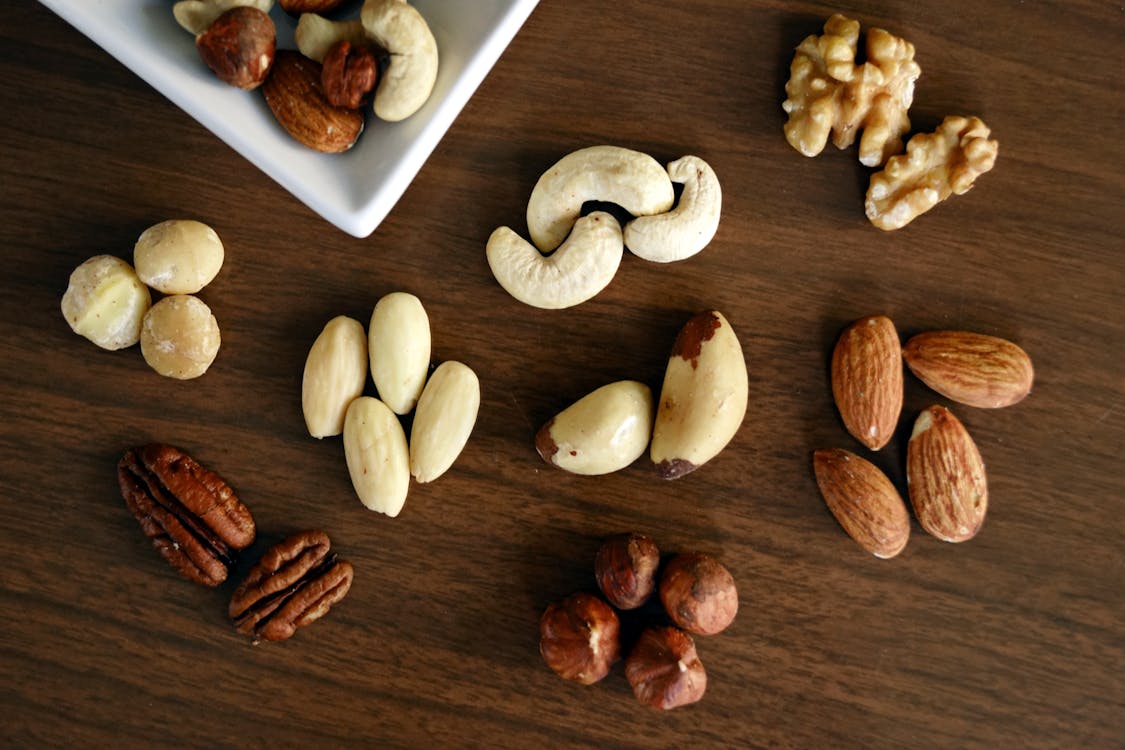
Seed cycling has taken the women's wellness world by storm. The practice involves eating specific combinations of seeds during the two main phases of the menstrual cycle — flax and pumpkin seeds during the follicular phase, then sesame and sunflower seeds during the luteal phase — with the goal of naturally balancing estrogen and progesterone production.
Social media is filled with testimonials from women who swear seed cycling resolved their irregular periods, reduced PMS, cleared hormonal acne, and improved fertility. Naturopathic practitioners frequently recommend it. Supplement companies now sell pre-measured seed cycling kits. But the question that matters most is one that few of these sources address directly: is there clinical evidence that this specific rotation of seeds influences hormonal balance, or are women experiencing the well-documented benefits of simply eating more nutrient-dense seeds?
The Seed Cycling Protocol
The standard seed cycling protocol is straightforward. During the follicular phase (day 1 of your period through ovulation, approximately days 1 through 14 of a 28-day cycle), eat one to two tablespoons each of ground flaxseeds and raw pumpkin seeds daily. During the luteal phase (from ovulation through the start of your next period, approximately days 15 through 28), switch to one to two tablespoons each of ground sesame seeds and raw sunflower seeds daily.
The theoretical rationale assigns specific hormonal properties to each seed pair. Flaxseeds contain lignans that are claimed to modulate estrogen by binding to estrogen receptors and helping the body eliminate excess estrogen through the digestive tract. Pumpkin seeds provide zinc, which is said to support progesterone production in preparation for the luteal phase.
Sesame seeds contain lignans that are proposed to block excess estrogen during the luteal phase when progesterone should be the dominant hormone. Sunflower seeds provide selenium and vitamin E, which are claimed to support progesterone production and reduce inflammation associated with PMS.
For women with irregular cycles or those in perimenopause or menopause without regular cycling, practitioners typically recommend following a 28-day calendar cycle regardless of actual menstrual timing, using the new moon as "day 1" — an approach that has no biological basis but provides a consistent schedule.
Examining the Evidence: Seed by Seed
While no clinical trial has tested the complete seed cycling protocol as described above, individual seeds have been studied for their hormonal effects. The evidence is more nuanced than either enthusiastic proponents or dismissive skeptics suggest.
Flaxseeds have the most substantial research behind them. They are the richest dietary source of lignans — specifically secoisolariciresinol diglucoside (SDG) — which gut bacteria convert into enterolactone and enterodiol. These metabolites have weak estrogenic activity and can bind to estrogen receptors, potentially acting as selective estrogen receptor modulators (SERMs) that balance estrogenic activity.
A study published in the Journal of Clinical Endocrinology and Metabolism found that flaxseed supplementation in premenopausal women extended luteal phase length without changing follicular phase length, and the ratio of progesterone to estradiol increased during the luteal phase. This is a genuinely interesting finding that suggests flaxseeds may favorably modulate the hormonal balance between cycle phases.
Another study found that 10 grams of ground flaxseed daily for three menstrual cycles reduced the number of anovulatory cycles (cycles without ovulation) compared to baseline. Research at the Mayo Clinic has also shown that flaxseed consumption can reduce hot flash frequency and severity in postmenopausal women, further supporting its estrogen-modulating properties.
Pumpkin seeds are rich in zinc (providing about 2.5 mg per ounce), magnesium, and omega-6 fatty acids. Zinc is genuinely important for reproductive health — it participates in over 300 enzymatic reactions including those involved in hormone synthesis and ovarian function. However, the specific claim that pumpkin seed zinc "boosts progesterone" during the follicular phase is not supported by any direct clinical evidence. Zinc supports overall reproductive function, but there is no evidence that consuming it specifically during the follicular phase produces different effects than consuming it consistently.
Sesame seeds contain sesamin and sesamolin, lignans that are metabolized into compounds with antioxidant and potentially mild hormonal effects. A small study found that sesame seed consumption in postmenopausal women improved blood lipids and antioxidant status, but direct effects on sex hormone levels in premenopausal women have not been well-studied. The claim that sesame lignans specifically "block excess estrogen" during the luteal phase is theoretical rather than evidence-based.
Sunflower seeds provide vitamin E (about 7.4 mg per ounce — roughly half the daily recommended intake) and selenium. Vitamin E has been studied for PMS and dysmenorrhea (menstrual pain), with some trials showing modest benefits for both. A randomized controlled trial found that vitamin E supplementation reduced PMS symptom severity. However, the benefits appear to come from consistent vitamin E intake, not specifically from luteal-phase-only consumption.
The Critical Analysis
When you evaluate seed cycling honestly, several things become clear.
The individual seeds contain genuinely beneficial nutrients for hormonal health — lignans, zinc, selenium, vitamin E, magnesium, and healthy fats. The evidence that these nutrients support reproductive health is real, though modest.
However, the specific claim that rotating these seeds in phase with your menstrual cycle provides additional benefits beyond simply eating all four seeds consistently has never been tested. There is no clinical trial comparing the seed cycling rotation protocol to consuming the same seeds daily without rotation. The phase-specific rationale — that certain nutrients preferentially support certain hormones during specific cycle phases — is plausible-sounding but unproven.
The theoretical framework contains logical gaps. Estrogen and progesterone are regulated primarily by the hypothalamic-pituitary-ovarian axis through complex feedback loops. While dietary factors can modestly influence these hormones, the idea that one to two tablespoons of specific seeds can meaningfully redirect hormonal production during specific cycle phases overestimates the impact of small dietary changes on a tightly regulated endocrine system.
The most likely explanation for the positive testimonials is that women who start seed cycling are simultaneously eating more fiber, more healthy fats, more zinc, more selenium, more vitamin E, and more magnesium than they were before. These nutrients genuinely support menstrual health, and their benefits would accrue regardless of which phase they are consumed in. The rotation itself may be irrelevant — it is the overall increase in seed-derived nutrition that produces the improvements.
What the Nutrients Actually Do for Hormonal Health
Setting aside the rotation protocol, the individual nutrients in seed cycling seeds have legitimate hormonal benefits worth understanding.
Lignans from flax and sesame seeds undergo bacterial conversion in the gut to enterolactone and enterodiol, which have weak estrogenic and anti-estrogenic properties depending on the hormonal context. In high-estrogen environments, they may compete with stronger estrogens for receptor binding, effectively reducing estrogenic activity. In low-estrogen environments (like menopause), they may provide mild estrogenic support. This context-dependent modulation is genuinely interesting and may explain benefits seen in both premenopausal women with estrogen dominance and postmenopausal women with estrogen deficiency.
Zinc from pumpkin seeds supports ovarian function, follicular development, and progesterone synthesis through its roles in enzymatic pathways involved in steroid hormone production. Zinc deficiency is associated with menstrual irregularities, and correcting deficiency can improve cycle regularity. However, zinc works continuously, not phase-specifically.
Omega-3 fatty acids (ALA) from flaxseeds and omega-6 fatty acids from sunflower seeds serve as precursors to prostaglandins that influence menstrual cramping, inflammation, and uterine contractions. Adequate intake of both, in appropriate ratios, supports healthy menstrual function.
Magnesium from pumpkin seeds and other seeds supports hundreds of enzymatic reactions including those involved in hormone metabolism. Magnesium deficiency is associated with worse PMS symptoms, and supplementation has been shown to reduce PMS severity in clinical trials. Most women do not consume adequate magnesium from their diets, making the magnesium contribution from seed cycling genuinely valuable.
Selenium from sunflower seeds supports thyroid function (which profoundly influences menstrual regularity) and has antioxidant properties that protect ovarian tissue. Selenium deficiency is associated with reproductive dysfunction, and adequate intake supports overall hormonal health.
A More Evidence-Based Approach
If you want the nutritional benefits attributed to seed cycling without the unproven rotation protocol, a simpler approach may be more practical: eat a variety of seeds daily throughout your entire cycle.
A daily seed mix containing one tablespoon each of ground flaxseed, pumpkin seeds, sesame seeds, and sunflower seeds provides a comprehensive nutrient profile that supports hormonal health continuously. Ground flax is recommended because whole flaxseeds often pass through the digestive system undigested, while grinding exposes the lignans and omega-3s for absorption.
This approach provides all the same beneficial nutrients that make seed cycling appealing — lignans, zinc, selenium, vitamin E, magnesium, healthy fats, and fiber — without the complexity of tracking your cycle phase and switching seed combinations. If the nutrients are what produce the benefits (which current evidence suggests), delivering them consistently should be at least as effective as delivering them in rotation.
Who Might Benefit From Seed Cycling
Despite the lack of protocol-specific evidence, seed cycling may be a reasonable practice for certain women.
Women with mild menstrual irregularities or PMS who are not consuming adequate seeds, healthy fats, and minerals in their current diet may experience genuine improvements from the increased nutrient intake, regardless of whether the rotation adds value.
Women who enjoy the ritual and structure of seed cycling may find that the protocol helps them consistently consume health-promoting seeds that they might otherwise forget to eat. The psychological benefit of feeling actively engaged in managing your health should not be underestimated.
Women exploring gentle dietary approaches before considering pharmaceutical interventions for mild hormonal symptoms may find seed cycling a reasonable starting point, with the understanding that it is not a treatment for diagnosed hormonal conditions and should not replace medical evaluation for significant menstrual dysfunction.
The practice is extremely safe — seeds are nutritious foods with no meaningful risk of harm. The worst outcome is that the rotation itself adds nothing beyond what consistent seed consumption would provide, in which case you have spent 30 days eating a nutritious food combination with no downside.
Women with diagnosed hormonal conditions — PCOS, endometriosis, significant menstrual irregularity, or fertility challenges — should pursue proper medical evaluation and treatment rather than relying on seed cycling as a primary intervention. Seeds are food, not medicine, and serious hormonal conditions require serious medical attention.
Sources and Further Reading
Health and Beyond uses reputable medical and scientific sources where possible. These links support or expand on the topics discussed above.
- Research at the Mayo Clinicmayoclinic.org