If you've ever passed a calcium oxalate kidney stone—the most common type, accounting for roughly 70 percent of all kidney stones—your doctor likely told you to watch your oxalate intake. That advice, while correct in principle, often comes without the practical detail needed to implement it effectively. Many people leave the doctor's office with a vague sense that they should avoid spinach and nuts, then either restrict too many healthy foods unnecessarily or give up on dietary management entirely because the guidance felt too confusing.
The reality is more nuanced than "avoid oxalates." Oxalate management for kidney stone prevention isn't about elimination—it's about understanding which foods contribute the most oxalate to your urine, how your body absorbs and processes oxalates, and how simple dietary strategies can dramatically reduce your stone risk without sacrificing nutritional quality or eating enjoyment.
What Oxalate Is and How It Forms Stones
Oxalate (also called oxalic acid) is an organic compound found naturally in many plant foods. It's also produced as a metabolic waste product by your liver—roughly 50 percent of urinary oxalate comes from endogenous production rather than dietary sources. Your body has no nutritional use for oxalate; it's essentially waste that needs to be eliminated.
The kidneys filter oxalate from the blood and excrete it in urine. When oxalate concentration in urine exceeds a critical threshold—particularly when calcium concentration is also elevated and urine volume is low—calcium oxalate crystals begin forming. These crystals aggregate on the surface of kidney cells, grow over time, and eventually develop into kidney stones large enough to obstruct the urinary tract.
The key insight is that stone formation requires both elevated oxalate and favorable crystallization conditions. High urinary oxalate alone doesn't guarantee stones—adequate hydration and the presence of crystallization inhibitors (like citrate and magnesium) can prevent stone formation even when oxalate levels are somewhat elevated. Conversely, only moderately elevated oxalate can cause stones if urine is concentrated, citrate is low, or other risk factors are present.
This is why dietary oxalate management works best as part of a comprehensive prevention strategy rather than as a standalone approach.
The Highest-Oxalate Foods
Not all plant foods contain significant oxalate. A relatively small number of foods contribute the majority of dietary oxalate for most people. Knowing which foods are truly high in oxalate—versus merely moderate—allows you to make targeted reductions without unnecessarily restricting your diet.
Extremely High Oxalate (more than 100 mg per serving)
Spinach tops every oxalate list for good reason. A single cup of cooked spinach contains 750 to 1,000 mg of oxalate—many times more than nearly any other food. Raw spinach in salads is somewhat lower (because raw volume is less dense), but it's still one of the highest contributors to dietary oxalate. For recurrent calcium oxalate stone formers, spinach is the single most impactful food to limit or eliminate.
Rhubarb contains 500 to 700 mg per cup when cooked, making it the second-highest common food source.
Beets and beet greens provide 100 to 150 mg per cup cooked. Beet greens are even higher than the roots.
Swiss chard contains 600 to 700 mg per cup cooked, rivaling spinach as one of the most oxalate-dense greens.
Almonds provide roughly 120 mg per ounce. Among nuts, almonds are the highest oxalate source by a significant margin.
High Oxalate (50-100 mg per serving)
Potatoes contain 50 to 100 mg per medium potato depending on variety and preparation. Potato chips concentrate oxalate because moisture is removed.
Sweet potatoes range from 50 to 80 mg per medium sweet potato.
Dark chocolate and cocoa powder contribute 50 to 100 mg per ounce of dark chocolate or per tablespoon of cocoa.
Navy beans and other legumes vary widely, with some varieties providing 50 to 80 mg per cup cooked.
Peanuts and cashews contain 50 to 70 mg per ounce.
Star fruit is extremely high in oxalate and should be avoided entirely by kidney stone formers and anyone with compromised kidney function—it can cause acute kidney injury.
Moderate Oxalate (20-50 mg per serving)
Tea (black tea in particular) provides 20 to 50 mg per cup depending on brewing time and leaf type. Green tea is generally lower than black tea.
Raspberries and blackberries contain 20 to 40 mg per cup.
Brown rice provides about 20 to 30 mg per cup cooked.
Wheat bran and whole wheat bread contribute moderate oxalate, typically 20 to 40 mg per serving.
Low Oxalate (below 20 mg per serving)
Most fruits (apples, bananas, grapes, melon, cherries), most vegetables (broccoli, cauliflower, cabbage, peppers, lettuce, mushrooms, onions, peas), white rice, eggs, meat, fish, dairy products, and most herbs and spices are low in oxalate and can be consumed freely.
How Your Body Absorbs Oxalate
Understanding oxalate absorption helps explain why dietary strategies work and why blanket restriction is unnecessary.
Only about 5 to 15 percent of dietary oxalate is typically absorbed in the intestine. The rest passes through unabsorbed and exits in feces. Several factors influence how much oxalate your body absorbs from any given meal.
Calcium in the same meal reduces oxalate absorption significantly. When calcium and oxalate are present together in the digestive tract, they bind to form calcium oxalate crystals in the intestine—where they are harmless and are eliminated in stool. This binding prevents the oxalate from being absorbed into the bloodstream and eventually reaching the kidneys.
This mechanism is critically important. It means that eating calcium-rich foods with high-oxalate foods dramatically reduces the oxalate that reaches your urine. A spinach salad with feta cheese delivers far less absorbable oxalate than the same salad without cheese. Almond butter on toast with a glass of milk produces a lower oxalate load than almonds eaten alone.
This is also why calcium restriction—once common medical advice for stone formers—is now recognized as counterproductive. Research published by the National Institutes of Health has shown that adequate dietary calcium (1,000 to 1,200 mg daily from food sources) actually reduces kidney stone risk by binding oxalate in the gut. Calcium supplements, however, should be taken with meals to achieve the same oxalate-binding effect—taking calcium supplements between meals doesn't provide this benefit and may slightly increase stone risk.
Gut health affects oxalate absorption. The bacterium Oxalobacter formigenes and certain species of Lactobacillus and Bifidobacterium degrade oxalate in the intestine, reducing the amount available for absorption. Antibiotic use can reduce these oxalate-degrading bacterial populations, temporarily increasing oxalate absorption. Maintaining a healthy gut microbiome through dietary fiber and fermented food consumption may support oxalate metabolism.
Fat malabsorption increases oxalate absorption. In conditions like Crohn's disease, celiac disease, or after bariatric surgery, unabsorbed fatty acids bind to calcium in the intestine, leaving less calcium available to bind oxalate. The unbound oxalate is then absorbed at much higher rates, sometimes increasing urinary oxalate dramatically. People with fat malabsorption conditions are at particularly high risk for calcium oxalate stones.
Vitamin C supplementation increases oxalate production. Ascorbic acid is partially metabolized to oxalate in the body. Doses above 1,000 mg daily have been shown to increase urinary oxalate levels and kidney stone risk. Stone formers should limit vitamin C supplementation to the recommended daily allowance (75 to 90 mg) and obtain vitamin C from food sources rather than high-dose supplements.
Practical Dietary Strategy: The Balanced Approach
Effective oxalate management doesn't require obsessive tracking of every milligram. A practical approach focuses on three principles: eliminate the biggest offenders, pair remaining high-oxalate foods with calcium, and maintain the other dietary and hydration practices that prevent stones.
Step 1: Remove or Drastically Reduce the Top Offenders
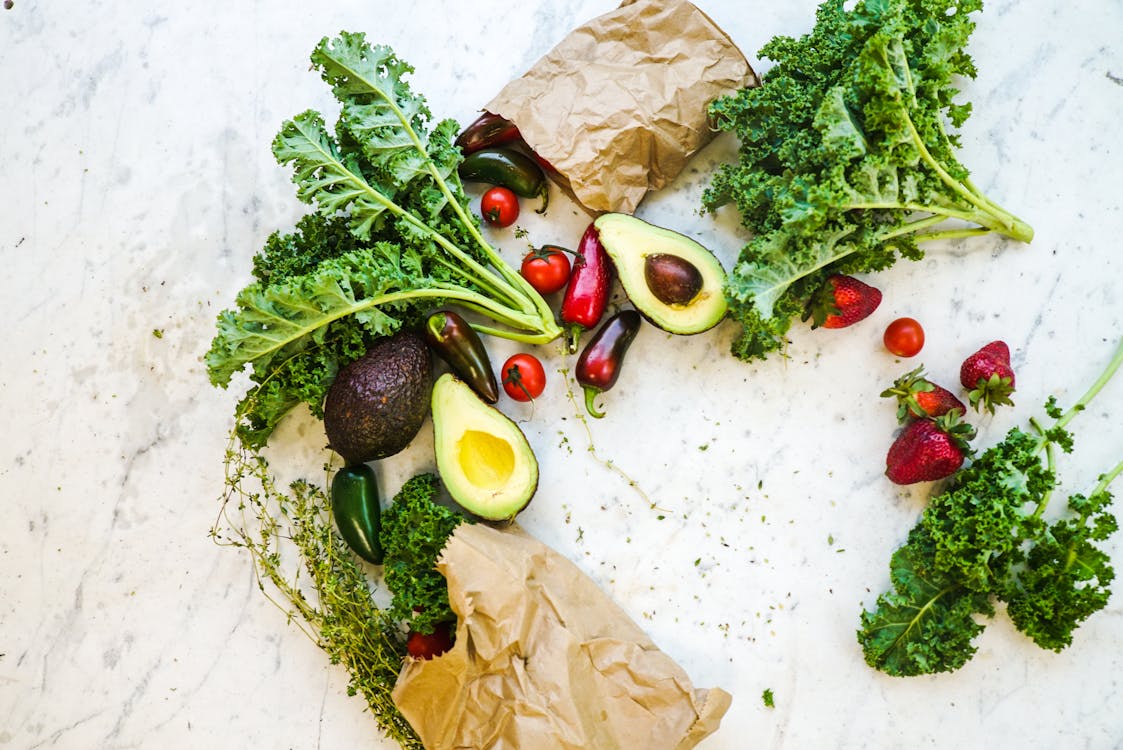
Spinach, Swiss chard, rhubarb, and star fruit contribute such extreme oxalate loads that reducing them makes a disproportionate impact on total urinary oxalate. Replacing spinach with kale, arugula, romaine lettuce, or mixed greens in salads and smoothies provides similar nutrients with a fraction of the oxalate.
Almonds can be replaced with lower-oxalate nuts like pecans, macadamia nuts, or walnuts (which are moderate but much lower than almonds). If you enjoy almonds, limiting portion size to a small handful and pairing with a calcium source reduces their impact.
Step 2: Pair Moderate-Oxalate Foods With Calcium
You don't need to eliminate potatoes, sweet potatoes, beans, chocolate, or tea. Instead, consume them as part of meals that include calcium-rich foods. Have your tea with milk. Eat your baked potato with cheese or sour cream. Include yogurt or milk with meals that contain moderate-oxalate foods.
The calcium-oxalate binding in the gut is highly effective—studies show that adding 200 to 300 mg of calcium to a meal containing moderate oxalate reduces urinary oxalate excretion by 30 to 50 percent.
Step 3: Maintain Hydration and Citrate Intake
Even with perfect oxalate management, concentrated urine will promote crystallization. Drinking enough fluid to produce at least 2.5 liters of urine daily—visible as pale yellow color rather than dark amber—dilutes both calcium and oxalate to levels below the crystallization threshold.
Citrate is a potent inhibitor of calcium oxalate crystal formation. Citrus fruits, particularly lemons and limes, provide citric acid that increases urinary citrate when consumed regularly. Lemonade made with real lemon juice (not commercial lemonade mixes, which often contain minimal actual lemon) is a practical, pleasant way to increase citrate intake. Potassium citrate supplements are available by prescription for people with documented low urinary citrate.
Step 4: Get Enough Magnesium
Magnesium inhibits oxalate crystal formation in the kidneys by competing with calcium for binding sites on oxalate molecules. Foods rich in magnesium—pumpkin seeds, sunflower seeds, black beans (moderate oxalate but pairable with calcium), and whole grains—support stone prevention. Magnesium supplementation (200 to 400 mg daily of magnesium citrate) may provide additional benefit for recurrent stone formers, though evidence is less robust than for citrate.
Cooking Methods That Reduce Oxalate
Oxalate is water-soluble, which means certain cooking methods can leach oxalate from foods and reduce the amount you consume.
Boiling is the most effective method for oxalate reduction. Boiling vegetables for 12 to 15 minutes and discarding the cooking water can reduce oxalate content by 30 to 87 percent depending on the food. Boiled spinach retains only about 40 to 50 percent of its original oxalate—still high in absolute terms, but meaningfully reduced.
Steaming reduces oxalate less than boiling because there's less water contact, but it still produces modest reductions of 5 to 30 percent.
Soaking legumes and grains before cooking and discarding the soaking water reduces their oxalate content. This is already standard practice for many cooks and provides additional benefit for stone prevention.
Roasting and sautéing do not significantly reduce oxalate because they don't involve water-based leaching.
When Oxalate Restriction Matters Most
Not every kidney stone former needs strict oxalate management. Oxalate restriction is most important for people with documented calcium oxalate stones (confirmed by stone analysis), hyperoxaluria—elevated urinary oxalate on 24-hour urine collection (above 40 mg/day), conditions that increase oxalate absorption (Crohn's disease, short bowel syndrome, bariatric surgery), and enteric hyperoxaluria from fat malabsorption.
For people whose 24-hour urine shows normal oxalate but elevated calcium or low citrate, focusing on those specific abnormalities may be more impactful than oxalate restriction.
This is why 24-hour urine analysis is so valuable for kidney stone prevention. Rather than guessing which dietary factors are most important, the test reveals your specific urinary chemistry and allows targeted intervention. Ask your urologist or nephrologist for this test after your first stone episode—the results will guide a personalized prevention plan far more effectively than generic dietary advice.
The Bottom Line on Oxalates
Oxalate management for kidney stone prevention is about smart choices, not deprivation. Remove the few extremely high-oxalate foods from regular consumption. Pair moderate-oxalate foods with calcium at the same meal. Maintain excellent hydration and adequate citrate intake. Get your specific urinary risk factors tested so you know exactly what to target.
These strategies reduce your stone risk substantially while preserving a varied, nutritious diet full of the plant foods that support overall health. The goal isn't to fear oxalates—it's to manage them intelligently so they don't manage you.
Sources and Further Reading
Health and Beyond uses reputable medical and scientific sources where possible. These links support or expand on the topics discussed above.