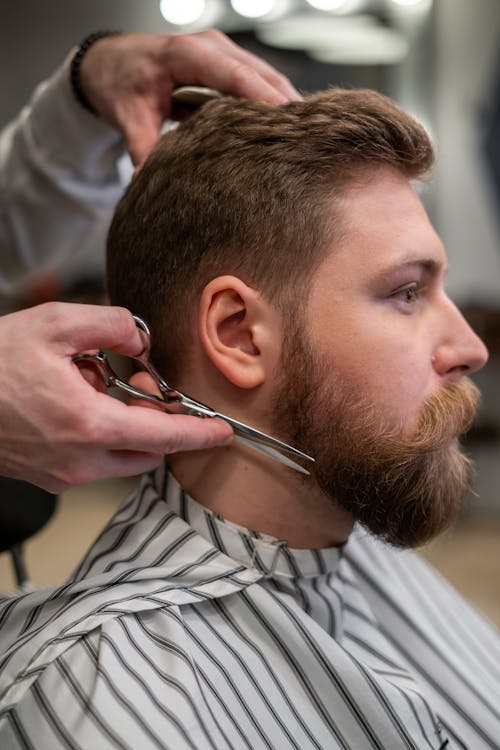
The men's skincare market has exploded from a niche category into a multi-billion-dollar industry, flooding the marketplace with products, routines, and claims that range from genuinely useful to utterly unnecessary. For men who have spent decades using bar soap on their faces and calling it a routine, the current landscape is bewildering. For those already exploring skincare, the challenge is separating products that deliver real results from those that are pure marketing.
The truth about men's skincare is refreshingly simple. Effective skin care does not require twelve products, a thirty-minute morning ritual, or hundreds of dollars per month. It requires understanding a few core principles, committing to three to four essential products, and being consistent. The most elaborate routine abandoned after two weeks loses to a simple routine followed daily, every time.
How Men's Skin Differs From Women's Skin
Understanding the biological differences between male and female skin explains why men benefit from skincare approaches tailored to their physiology rather than simply adopting women's routines.
Male skin is approximately 25 percent thicker than female skin due to higher collagen density. This additional thickness provides more structural resilience but also means that products designed for thinner female skin may not penetrate as effectively. Men require products with appropriate concentrations and formulations that account for this difference.
Sebum production is significantly higher in men, driven by testosterone. Male skin produces roughly 60 percent more sebum than female skin, contributing to a naturally oilier complexion, larger pores, and higher susceptibility to acne. This increased oil production persists well into middle age and influences product selection — lightweight, non-comedogenic formulations are generally better suited to male skin than rich, heavy creams.
Facial hair and regular shaving create unique skincare challenges. Shaving removes the outermost layer of dead skin cells (providing inadvertent exfoliation) but also causes micro-cuts, irritation, inflammation, and ingrown hairs. The daily mechanical trauma of shaving makes skin barrier repair and irritation management important considerations in any men's skincare routine.
Men's skin ages differently than women's. The higher collagen density means that signs of aging appear later in men but then progress more rapidly once they begin. Men develop deeper, more pronounced wrinkles rather than the fine lines that women tend to develop first. Photoaging (sun damage) is often more severe in men because of historically lower sunscreen use.
The Essential Routine: Three Non-Negotiable Steps
Step 1: Cleanser
Cleansing removes dirt, excess oil, dead skin cells, and environmental pollutants that accumulate on the skin throughout the day and night. Using the right cleanser — not bar soap, not body wash — is the foundation of any skincare routine.
Bar soap is formulated at an alkaline pH (typically 9 to 10) that strips the skin's natural acid mantle (pH 4.5 to 5.5). This disruption impairs the skin barrier, increases transepidermal water loss, and paradoxically triggers increased oil production as the skin attempts to compensate. Facial cleansers are formulated at or near the skin's natural pH, cleaning effectively without disrupting barrier function.
For men with oily or combination skin (the majority), a gentle foaming or gel cleanser containing salicylic acid (0.5 to 2 percent) provides both cleansing and mild chemical exfoliation of pore-clogging debris. For men with dry or sensitive skin, a non-foaming cream or milk cleanser with ceramides provides hydration while cleansing.
Cleanse twice daily — morning and evening. The morning cleanse removes overnight sebum and prepares the skin for subsequent products. The evening cleanse is the more important of the two, removing the day's accumulation of pollutants, sweat, and sunscreen.
Step 2: Moisturizer
Moisturizing is essential for all skin types, including oily skin. The misconception that oily skin does not need moisture is one of the most persistent and damaging myths in skincare. Dehydrated oily skin actually produces more oil to compensate for the moisture deficit, worsening the oiliness.
Moisturizers work through three mechanisms: humectants (glycerin, hyaluronic acid) draw water into the skin, emollients (squalane, ceramides) smooth and soften, and occlusives (dimethicone, petrolatum) seal in moisture and prevent evaporation.
For oily skin, a lightweight, oil-free gel moisturizer containing hyaluronic acid provides hydration without adding shine or clogging pores. For normal to dry skin, a lotion or light cream with ceramides and glycerin restores the skin barrier and maintains hydration. For very dry skin, a richer cream with shea butter or squalane provides the additional occlusion needed.
Apply moisturizer to damp skin immediately after cleansing — this traps a layer of water against the skin, enhancing hydration.
Step 3: Sunscreen
Sunscreen is the single most impactful anti-aging product available. According to the Skin Cancer Foundation, ultraviolet radiation causes up to 90 percent of visible skin aging (photoaging) — wrinkles, dark spots, uneven texture, and loss of elasticity. It is also the primary cause of skin cancer, and men are more than twice as likely as women to die from melanoma.
A broad-spectrum SPF 30 or higher sunscreen should be applied every morning, regardless of weather or season. UV radiation penetrates clouds and windows, meaning that even overcast days and indoor time near windows involve UV exposure.
For daily use, chemical sunscreens with modern filters (avobenzone, octisalate, or newer European filters in imported products) provide invisible, lightweight protection suitable for wearing under or instead of a moisturizer. Mineral sunscreens (zinc oxide, titanium dioxide) are excellent options for sensitive or acne-prone skin, as they sit on the skin's surface without being absorbed.
The amount matters — most people apply only 25 to 50 percent of the amount needed for full protection. For the face, a nickel-sized amount (approximately 1/4 teaspoon) provides adequate coverage. Reapply every two hours during extended outdoor exposure.
Targeted Treatments: Adding When Needed
Retinoid (The Gold Standard Anti-Aging Active)
If a man adds one treatment product to his basic routine, it should be a retinoid. Retinoids (vitamin A derivatives) are the most extensively studied and most effective topical anti-aging ingredients available. They stimulate collagen production, accelerate cell turnover, reduce fine lines and wrinkles, fade hyperpigmentation, and regulate sebum production.
Over-the-counter retinol (available in concentrations of 0.25 to 1 percent) is the gentlest introduction. Start with application two to three nights per week, gradually increasing to nightly use as the skin builds tolerance. Prescription tretinoin (Retin-A) provides stronger effects but requires a physician's prescription.
Retinoids increase sun sensitivity, making consistent sunscreen use mandatory. Apply retinoid products at night, after cleansing and before moisturizing. Initial side effects (dryness, peeling, mild irritation) are normal during the adaptation period and typically resolve within four to six weeks.
Vitamin C Serum
Vitamin C (L-ascorbic acid) is a potent antioxidant that protects skin from UV-induced free radical damage, brightens skin tone, fades hyperpigmentation, and stimulates collagen production. Applied in the morning before sunscreen, it provides synergistic photoprotection — boosting sunscreen efficacy by neutralizing free radicals that penetrate the UV filter.
Effective vitamin C serums contain L-ascorbic acid at 10 to 20 percent concentration, formulated at pH 3.5 or below for optimal penetration. They should be packaged in opaque, airtight containers because vitamin C degrades rapidly when exposed to light and air.
Exfoliation
Regular exfoliation removes dead skin cells that contribute to dull complexion, clogged pores, and rough texture. Men who shave regularly receive some mechanical exfoliation through the shaving process, but additional chemical exfoliation can further improve skin clarity.
Chemical exfoliation with alpha-hydroxy acids (glycolic acid, lactic acid) or beta-hydroxy acid (salicylic acid) is gentler and more consistent than physical scrubs. Products containing 5 to 10 percent glycolic acid or 1 to 2 percent salicylic acid used two to three times weekly provide effective exfoliation without irritation.
Men who shave should avoid exfoliating on the same day as shaving to prevent over-irritation. Alternating days between shaving and chemical exfoliation respects the skin's tolerance.
Shaving and Skin Health
Shaving is the most frequent skin intervention most men perform, yet many approach it with no attention to technique or product choice, wondering why their skin is chronically irritated.
Pre-shave preparation dramatically affects outcomes. Shaving after a warm shower, when the skin is hydrated and hair is softened, reduces the cutting force required and minimizes irritation. Applying a quality shave cream or gel (not aerosol foam, which tends to be drying) provides lubrication and protection.
Razor quality matters. Multi-blade razors provide a closer shave but also increase the risk of irritation, ingrown hairs, and razor bumps by cutting hair below the skin surface. Men prone to these issues may benefit from switching to a single-blade safety razor or electric razor.
Shaving direction affects irritation. Shaving with the grain (in the direction of hair growth) on the first pass minimizes irritation. Shaving against the grain provides a closer shave but significantly increases the risk of razor bumps and ingrown hairs.
Post-shave care should include rinsing with cool water (which constricts blood vessels and reduces redness), applying an alcohol-free aftershave balm (products containing aloe, allantoin, or niacinamide soothe irritation without the stinging of alcohol-based aftershaves), and following with moisturizer and sunscreen.
Men of African descent are disproportionately affected by pseudofolliculitis barbae (razor bumps) due to the curved hair follicle shape that causes hairs to re-enter the skin after cutting. Chemical depilatories, electric razors, and growing a short beard are alternatives that dramatically reduce this condition.
Common Men's Skin Concerns
Acne
Adult male acne affects approximately 12 percent of men over 25. Higher sebum production and testosterone levels predispose men to acne throughout adulthood. A cleanser containing salicylic acid (2 percent), a benzoyl peroxide spot treatment (2.5 to 5 percent), and non-comedogenic moisturizer form the foundation of acne management. Persistent or severe acne warrants dermatological evaluation for prescription options including topical retinoids, topical antibiotics, or oral medications.
Under-Eye Concerns
Dark circles, puffiness, and fine lines around the eyes are common male concerns, particularly as men age. A simple eye cream containing caffeine (reduces puffiness by constricting blood vessels), peptides (stimulate collagen production), and hyaluronic acid (hydrates the thin under-eye skin) provides targeted care without requiring an elaborate routine.
Skin Cancer Awareness
Men have a higher lifetime risk of skin cancer than women — 1 in 27 men will develop melanoma compared to 1 in 40 women. Men are also more likely to be diagnosed at advanced stages because they are less likely to perform skin self-examinations or see a dermatologist for suspicious moles.
Monthly self-examination of all skin surfaces (including the back, scalp, and between toes) for new or changing moles, and annual clinical skin examinations by a dermatologist, are essential preventive measures that every man should incorporate into his health routine.
Building Your Routine: The Practical Blueprint
A practical morning routine takes less than three minutes: cleanse, apply vitamin C serum (optional), apply moisturizer, and apply sunscreen. An evening routine takes equally little time: cleanse, apply retinoid (if using), and apply moisturizer.
Consistency trumps complexity. The man who cleanses, moisturizes, and applies sunscreen every single day will have better skin than the man who performs a ten-step routine sporadically. Start with the three essentials, build the habit, and add targeted treatments only after the basics are firmly established. Effective skincare is not about having a medicine cabinet full of products — it is about the daily discipline of taking care of the one skin you will ever have.
Sources and Further Reading
Health and Beyond uses reputable medical and scientific sources where possible. These links support or expand on the topics discussed above.
- Skin Cancer Foundationskincancerfoundation.org