Histamine has a reputation problem. Most people know it as the thing antihistamines block when hay fever flares, and that is where their knowledge typically ends. What gets missed is that histamine is not only an immune messenger released during allergic reactions. It is a neurotransmitter that influences wakefulness and cognition. It is a signaling molecule in the stomach that regulates acid production. It shows up in food, particularly in fermented and aged products, in amounts that can affect people whose capacity to break it down is compromised. When histamine handling goes wrong, the symptoms are varied and confusing enough that many people spend years dealing with them before anyone thinks to consider histamine as the common thread.
Histamine intolerance is not the same as a true allergy. It is a mismatch between histamine coming in and the body's capacity to clear it. Small excesses build up and produce symptoms that seem to come from nowhere. The condition overlaps with irritable bowel syndrome, chronic migraines, anxiety, unexplained skin reactions, gut issues, and many other common complaints, which is part of why it is both underdiagnosed and sometimes overdiagnosed by people who read one article and assume every symptom traces back to histamine.
What Histamine Does in the Body
Histamine plays several distinct roles depending on where it is acting and which receptors it binds to.
In immune cells called mast cells and basophils, histamine is stored in granules and released during immune responses. When an allergen triggers a mast cell, it dumps its histamine along with other inflammatory mediators, causing the familiar symptoms of allergy, including itching, sneezing, congestion, and hives. The severity of this immune histamine release is what distinguishes a mild allergy from anaphylaxis.
In the stomach, histamine stimulates parietal cells to produce hydrochloric acid. This is why medications that block histamine H2 receptors, like famotidine, are used for acid related stomach problems. Without histamine signaling, stomach acid production drops.
In the brain, histamine produced by specific neurons in the hypothalamus helps maintain wakefulness. Drugs that cross the blood brain barrier and block histamine receptors, like older antihistamines such as diphenhydramine, cause drowsiness for this reason. Newer antihistamines that do not cross into the brain as easily avoid this sedation.
Histamine also affects blood vessels, smooth muscle contraction, heart rate, and various other functions through its four known receptor types spread throughout the body.
How the Body Clears Histamine
Two main enzymes break down histamine. Diamine oxidase, DAO, is produced in the gut lining and is the primary enzyme clearing histamine from the digestive tract and from dietary sources. Histamine N methyltransferase, HNMT, is found inside cells and handles histamine at the tissue level.
When DAO activity is low, dietary histamine and histamine released in the gut are not cleared efficiently. This is the usual picture in histamine intolerance. Various factors reduce DAO activity, including genetic variants in the gene coding for the enzyme, inflammatory gut conditions that damage the tissue where it is produced, medications that inhibit it, alcohol which also blocks it, and nutrient deficiencies since DAO requires copper and vitamin B6 to function.
HNMT deficiency is more associated with mast cell activation issues and systemic histamine problems rather than the dietary sensitivity picture.
The Symptoms of Histamine Intolerance
Symptoms vary widely and can affect nearly any body system, which is part of why the condition is confusing.
Digestive symptoms include abdominal pain, bloating, diarrhea, nausea, and reflux, often appearing within thirty minutes to a few hours after eating high histamine foods.
Headaches, particularly migraines, are common. Many people with chronic migraines find that the frequency drops substantially when they reduce histamine intake, though not all migraines are histamine related.
Skin symptoms include hives, itching, flushing, and eczema flares. Redness of the face, chest, and neck after eating or drinking certain things is a classic histamine presentation.
Respiratory symptoms include nasal congestion, sneezing, and asthma like reactions, often worse in the morning and sometimes mistaken for allergies.
Cardiovascular symptoms include racing heart, palpitations, low blood pressure, and dizziness, sometimes severe enough to cause fainting. Histamine is a potent vasodilator.
Neurological and mood symptoms include anxiety, irritability, difficulty sleeping, fatigue, brain fog, and sensitivity to sensory input. These are often the most disabling symptoms for people with significant intolerance and are easy to attribute to other causes.
Menstrual symptoms include severe PMS, heavy periods, and painful periods. Estrogen increases mast cell activity and histamine release, and many women notice histamine symptoms tracking their cycle.
Foods and the Histamine Landscape
Dietary histamine comes from several sources. Fermentation produces histamine, which is why aged cheeses, sauerkraut, kimchi, vinegar, soy sauce, fish sauce, wine, and beer tend to be high. Fish that has not been properly stored accumulates histamine rapidly, making tuna, mackerel, and sardines potential problem foods depending on freshness. Cured and aged meats, including salami and prosciutto, are high. Leftovers, particularly those containing meat, accumulate histamine as they sit, even in the refrigerator.
Some foods do not contain much histamine themselves but trigger its release from mast cells. These include tomatoes, citrus fruits, strawberries, pineapple, bananas, papaya, eggplant, spinach, chocolate, shellfish, and various additives. Histamine liberators vary person to person and can be as problematic as high histamine foods for sensitive individuals.
Alcohol deserves special mention. It both contains histamine, particularly red wine, and blocks DAO activity, reducing the body's ability to clear the histamine coming in. Beer and wine also contain other biogenic amines that compete for the same clearance pathways. Many people with histamine issues find alcohol the single most problematic category.
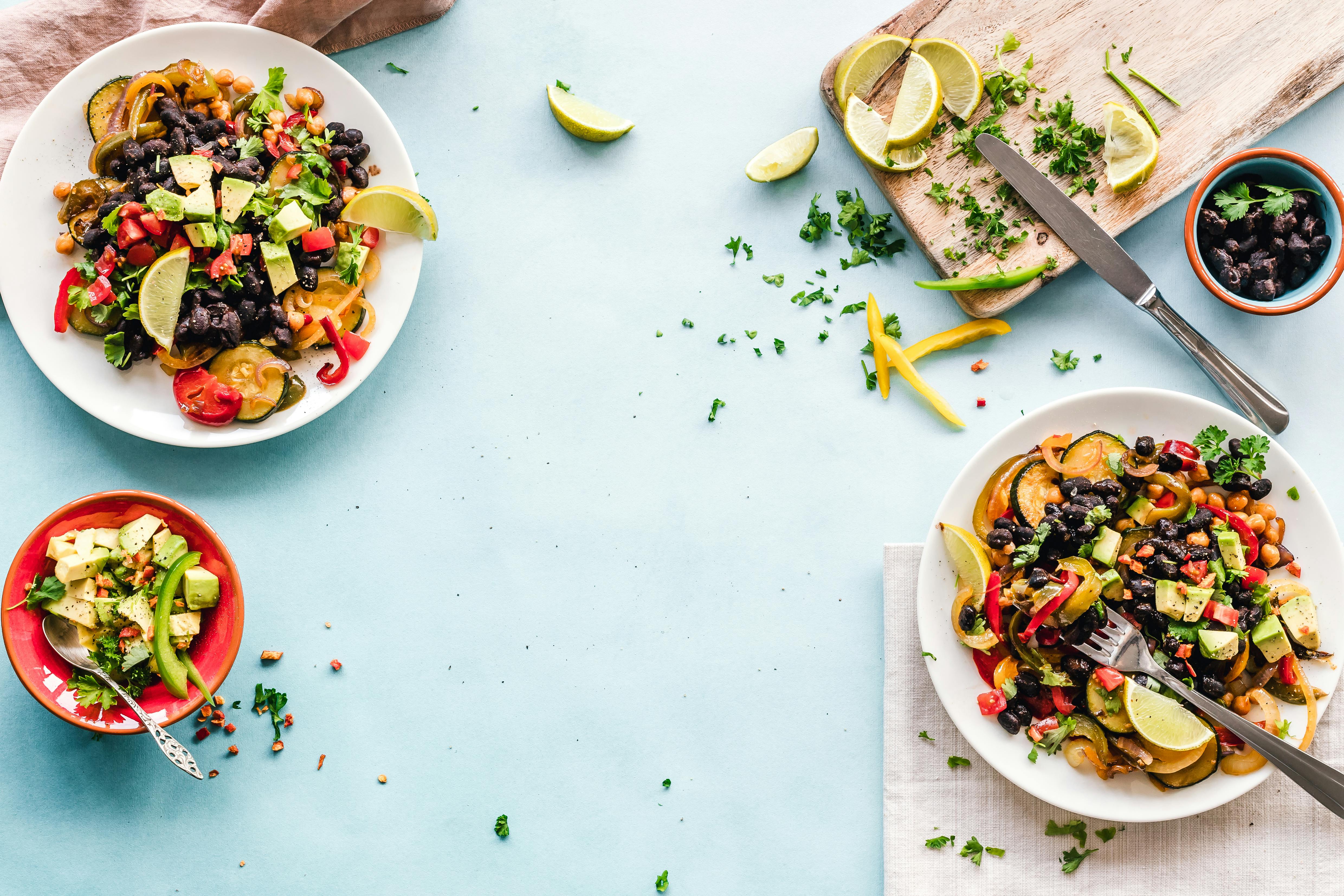
Low histamine foods include fresh meat and poultry, most fresh fish if truly fresh, eggs, rice, quinoa, many fresh vegetables including lettuce, cucumber, broccoli, and squash, and most fresh fruits not on the histamine liberator list. An elimination diet focused on these foods, eaten fresh rather than stored for days, often produces significant symptom reduction in genuine histamine intolerance within a week or two.
Testing and Diagnosis
Testing for histamine intolerance is imperfect. Blood DAO levels can be measured but the results do not always track well with symptoms. Histamine levels themselves fluctuate too rapidly to be useful in most clinical testing. Genetic testing for DAO variants can provide some information but does not capture the full picture.
The most reliable diagnostic is a structured elimination trial of three to four weeks on a strict low histamine diet, followed by gradual reintroduction of foods while tracking symptoms. Symptom improvement on elimination and return with reintroduction supports the diagnosis. This is not elegant but it is what actually works in practice.
Ruling out other conditions is part of the evaluation. Mast cell activation syndrome, more severe and systemic than simple histamine intolerance, can produce overlapping symptoms and may require different management. Celiac disease, SIBO, inflammatory bowel disease, and other conditions should be considered. A thoughtful clinician familiar with these overlapping issues is helpful, though such clinicians can be hard to find.
Management Beyond Diet
Dietary modification is the foundation, but several other strategies help.
DAO supplements taken before meals may increase the enzyme available to process incoming histamine. Research is mixed but some people find clear benefit. They are relatively expensive and need to be taken consistently, but for people whose symptoms limit dietary flexibility, they can provide room to eat more normally.
Quercetin, a flavonoid found in onions, apples, and capers, stabilizes mast cells and reduces histamine release. Supplement doses of five hundred to one thousand milligrams twice daily often help. It takes several weeks to build up effects.
Vitamin C at one to two thousand milligrams daily also stabilizes mast cells and supports DAO activity. For some people this alone produces meaningful improvement.
Copper and vitamin B6 deficiency can limit DAO function, so ensuring adequacy through diet or modest supplementation may support the body's own clearance.
Addressing gut health often reduces histamine issues substantially. Inflammation in the gut lining disrupts DAO production, and fixing underlying gut dysfunction can restore natural enzyme output. This is part of why SIBO treatment sometimes resolves what appeared to be histamine intolerance.
Reducing alcohol dramatically, often eliminating it entirely during active management, is one of the highest leverage single changes for most people with histamine issues.
Managing stress matters because mast cells are responsive to stress hormones. People who address chronic stress through sleep, movement, and various practices often find their histamine tolerance improves.
Medications in the form of H1 and H2 antihistamines can provide symptomatic relief during active flares. Some people benefit from a daily second generation antihistamine like cetirizine as baseline management.
The Estrogen Connection
Many women notice histamine symptoms worsening in the days before menstruation. This reflects the interaction between estrogen and histamine. Estrogen increases histamine release from mast cells, increases histamine receptor sensitivity, and may reduce DAO activity. The estrogen dominant phases of the menstrual cycle, the weeks after ovulation particularly, often produce the worst histamine symptoms.
Perimenopause, with its erratic estrogen fluctuations, often aggravates histamine issues. Women who have had mild tolerance previously may find themselves developing clear intolerance as perimenopausal hormonal chaos sets in. The reverse can also happen, with postmenopausal estrogen decline sometimes producing unexpected relief.
Addressing estrogen excess, whether through gut health that supports proper estrogen clearance, limiting alcohol which slows estrogen clearance, or working with a clinician on broader hormone balance, may help the histamine picture indirectly.
When to Look for More
Severe or systemic histamine symptoms, particularly those involving low blood pressure, difficulty breathing, or severe gastrointestinal reactions, warrant evaluation for mast cell activation syndrome. This is a more complex condition that requires specialized care, often from an allergist, immunologist, or rheumatologist familiar with it. Treatment typically involves combinations of medications along with the dietary and lifestyle measures discussed here.
For straightforward dietary histamine intolerance, a functional medicine or integrative medicine practitioner familiar with the condition can often help develop a management plan. Primary care awareness of the condition is improving but still inconsistent.
Living With It
Histamine intolerance is often manageable rather than curable, though many people find their tolerance improves over time as they address underlying factors. Gut health improvement, stress reduction, and sometimes hormonal changes can all shift the baseline toward better tolerance. Others need ongoing attention to diet and avoidance of triggers.
The practical approach is to find the level of restriction that keeps symptoms manageable without being more limiting than necessary. Strict avoidance indefinitely is rarely needed or helpful, and most people can find a sustainable middle ground once they understand their own patterns. Fresh food prepared at home, minimal leftovers, limited alcohol, and attention to cycle related fluctuations covers most of what matters for most affected people.
Histamine issues are one of those conditions where the cure is not a single thing but a set of habits that protect the underlying system. Once the framework is in place, the condition moves from mysterious and disabling to well understood and reasonably controlled.