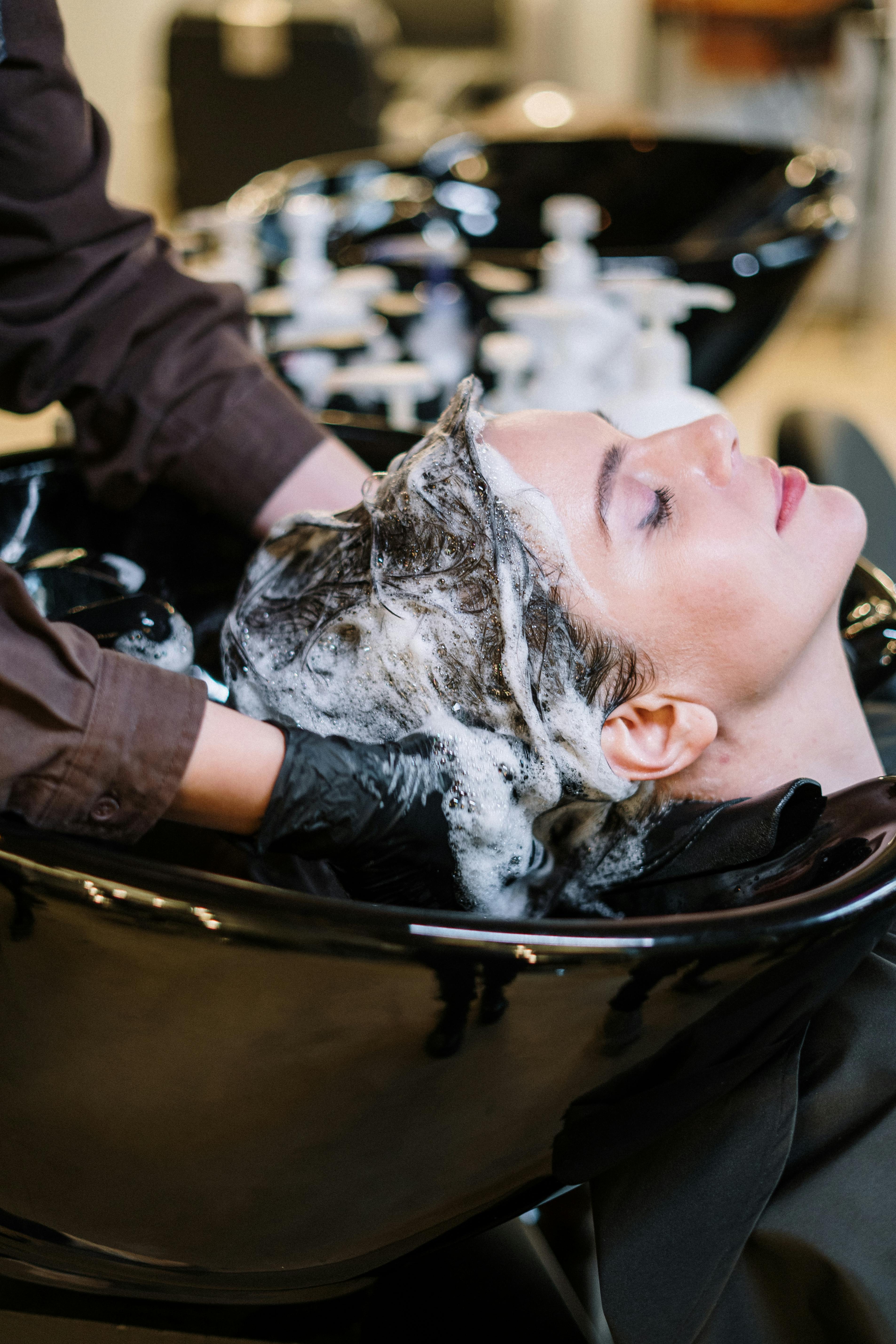
The first time you notice is usually in the shower. An unusual amount of hair in your hand after shampooing. More strands in the drain catcher. A few weeks later, the widening part line in the mirror. A few months after that, the scalp that shows through on the crown when your hair is wet. You tell yourself it must be stress, or a vitamin deficiency, or a bad shampoo. But deep down you know something else is going on, and the fear is almost unbearable.
Female pattern hair loss is one of the most common and most psychologically difficult conditions women face. It affects around 30 percent of women by age 50 and up to 50 percent by age 70, yet the topic remains shrouded in shame, misinformation, and predatory marketing. Most women suffer in silence, trying every advertised remedy while losing ground month after month.
The good news is that female pattern hair loss is far more treatable than most women realize, particularly when addressed early. There are genuinely effective evidence-based therapies that can halt the loss and in many cases regrow meaningful amounts of hair. There are also countless useless or harmful products that prey on desperation. Knowing the difference changes outcomes.
This is a comprehensive guide to what is actually happening, what works, what does not, and how to think about treatment realistically.
What Female Pattern Hair Loss Actually Is
Female pattern hair loss, or FPHL, is the most common cause of thinning hair in women. It is similar to but distinct from male pattern baldness. In men, androgen hormones like DHT drive hair follicles in specific scalp regions to miniaturize, eventually shrinking them so much that they produce only vellus fuzz or nothing at all. The typical pattern involves a receding hairline and crown thinning.
In women, the pattern is usually diffuse thinning on the top of the head, especially noticeable as a widening part line, while the frontal hairline is generally preserved. Some women do experience frontal loss, particularly with conditions like frontal fibrosing alopecia, which is a separate entity.
The mechanism in women is not fully understood and is likely heterogeneous. Androgens play a role in some cases, particularly in women with conditions like PCOS. In others, the loss seems to occur with normal androgen levels, suggesting follicular sensitivity rather than hormone excess. Genetic predisposition is strong, and the loss often accelerates around major hormonal transitions like pregnancy, postpartum, or menopause.
Ruling Out Other Causes First
Before assuming pattern loss, it is important to identify contributors that might look similar but need different treatment.
Telogen effluvium is a sudden diffuse shedding triggered by stress, illness, rapid weight loss, pregnancy, or medications. It usually begins 2 to 4 months after the trigger and resolves on its own if the trigger is removed. If your hair loss seemed to start suddenly after a stressful event, this is likely the main issue.
Iron deficiency is common in menstruating women and can cause or worsen hair loss. Ferritin levels below 30 ng/mL are often associated with shedding. Hemoglobin can be normal while ferritin is low, so a full iron panel is worth requesting.
Thyroid dysfunction, both hypo and hyperthyroid, can cause diffuse shedding. TSH, free T4, and thyroid antibodies should be checked.
Vitamin D deficiency may contribute to hair loss in some women. Levels below 30 ng/mL warrant supplementation.
Zinc, B12, and other nutrient deficiencies occasionally contribute and can be screened with appropriate tests.
Hormonal causes beyond pattern loss include PCOS, recent hormonal birth control changes, and postpartum hormonal shifts.
Autoimmune conditions like alopecia areata cause patchy loss rather than diffuse thinning and usually look obviously different.
A workup with a knowledgeable primary care doctor or a dermatologist should include a thorough history, scalp examination, and targeted lab testing before starting any treatment.
Minoxidil: The First-Line Treatment
Topical minoxidil is the only FDA-approved treatment for female pattern hair loss. It works by prolonging the growth phase of hair follicles and increasing blood flow to the scalp. In women, it is typically used as a 2 or 5 percent solution or foam, applied once or twice daily.
Response rates are meaningful. Studies show that 40 to 60 percent of women using minoxidil consistently for 6 to 12 months experience some regrowth, and most of the rest at least stabilize.
Expectations matter. Minoxidil initially causes a shedding phase in the first 4 to 8 weeks that looks alarming. Do not stop during this phase. The shed hairs are being replaced by stronger new ones. By three months, shedding subsides. By six months, regrowth is typically visible. By a year, the full effect is apparent.
Minoxidil must be used indefinitely to maintain effects. Stopping reverses the benefit within months.
Side effects are typically mild. Scalp irritation can occur with the alcohol-based solution, which is why many women prefer the foam. Unwanted facial hair growth in areas where minoxidil runs off onto the face is possible with higher concentrations but uncommon with careful application.
Oral minoxidil has emerged as an alternative at low doses, typically 0.25 to 2.5 milligrams daily, prescribed off-label by dermatologists. Studies suggest comparable or superior efficacy to topical minoxidil with better adherence because applying topical products to the scalp is inconvenient. Side effects with low-dose oral minoxidil are usually minor but can include fluid retention, initial shedding, and mild facial hair growth.
Spironolactone
Spironolactone is an oral potassium-sparing diuretic that also acts as an anti-androgen. It is widely prescribed off-label for female pattern hair loss, typically at 100 to 200 milligrams daily. It works by blocking the effects of androgens on hair follicles and also reducing androgen production modestly.
Evidence for spironolactone in FPHL is moderate, with most studies showing stabilization or improvement in the majority of women who use it for 6 to 12 months. It is often combined with minoxidil for additive effects.
Side effects can include menstrual irregularity, breast tenderness, dizziness, and elevated potassium. Periodic monitoring of electrolytes is standard. Women who might become pregnant should use contraception while on spironolactone because it can affect fetal development.
Finasteride In Women
Finasteride, the drug commonly used for male pattern baldness, is used off-label in some women. It blocks conversion of testosterone to DHT. Evidence in women is mixed, with some studies showing benefit in postmenopausal women and less clear results in premenopausal women.
Finasteride is contraindicated in women who could become pregnant due to risk of birth defects. For postmenopausal women or those with reliable contraception, it is one option among several.
Dutasteride, a more potent DHT blocker, is occasionally used with similar concerns.
Platelet-Rich Plasma Injections
PRP involves drawing blood, centrifuging it to concentrate platelets, and injecting the platelet-rich fraction back into the scalp. Growth factors from the platelets are thought to stimulate follicle activity.
Evidence for PRP in female pattern hair loss is growing but still limited. Multiple studies show improvement in hair density and thickness, though the effect size varies. It typically involves three initial monthly sessions followed by maintenance treatments every 3 to 6 months. Cost is substantial, often 500 to 1,500 dollars per session.
PRP is reasonable to consider as an adjunct treatment for women who are responding partially to minoxidil and spironolactone and want to push for more.
Low-Level Laser Therapy
Laser caps and combs emit low-intensity red light thought to stimulate hair follicles through photobiomodulation. Evidence is moderate, with several studies showing statistically significant improvements in hair density compared to placebo devices.
The devices typically cost 200 to 1,000 dollars and are used 15 to 30 minutes several times per week. They are safe, painless, and reasonable as an additional tool for women willing to invest in the equipment.
Nutritional Support
Biotin supplementation is ubiquitous in hair loss products despite minimal evidence that biotin deficiency causes pattern hair loss in most women. It is cheap and safe but unlikely to produce meaningful results unless you are deficient.
Iron supplementation when ferritin is low is important. Vitamin D if deficient. Protein intake of at least 1 gram per kilogram body weight daily supports hair growth.
Specific hair supplements like Nutrafol and Viviscal have moderate evidence for improving hair density in some women. They contain combinations of botanical ingredients, antioxidants, and sometimes marine protein complex. They are expensive but safe to try.
Things That Do Not Work
Shampoos and conditioners cannot regrow hair regardless of marketing claims. Hair is dead tissue by the time it exits the scalp. Products that coat the hair shaft can make existing hair look fuller but do nothing to prevent loss or regrow follicles.
Scalp massages have modest circulation benefits but are unlikely to reverse pattern loss on their own.
Castor oil, rosemary oil, and similar home remedies have limited evidence. Rosemary oil has one small study suggesting comparable efficacy to minoxidil but this has not been replicated robustly. They are safe to try but should not replace proven treatments.
Most products sold online promising dramatic hair regrowth are variations on biotin, minoxidil, or scalp care, often dramatically overpriced.
Hair Transplantation
For women with stable hair loss who have not responded adequately to medical therapies, hair transplantation is an option. Modern follicular unit extraction techniques can be effective in women, though results are generally less predictable than in men because the donor area on the back of the head is not always spared from the miniaturization process.
Women considering transplantation should consult surgeons experienced with female patients and understand that results are enhancements rather than complete restorations.
The Emotional Dimension
Hair loss affects psychological wellbeing profoundly. Studies show women with FPHL experience significantly higher rates of anxiety, depression, and social withdrawal compared to women without hair loss. These effects are often minimized by people who have not experienced them.
Support groups, online communities, and therapy when needed are legitimate parts of managing the condition. Hair toppers, extensions, and styling strategies can dramatically improve quality of life during the slow process of medical treatment.
The goal of treatment is rarely to restore hair to a 20-year-old state. The realistic goal is to halt progression, regain what is recoverable, and preserve quality of life along the way.
Getting Started
The best first step is an appointment with a dermatologist who specializes in hair loss. Not all dermatologists are comfortable with this area, so looking for one with specific hair loss expertise is worthwhile. Teledermatology options have expanded access dramatically, making specialist care available to many women who previously could not access it.
Starting treatment early produces better results than waiting. Follicles that have fully miniaturized are much harder to revive than ones in the process of miniaturizing. If you are noticing thinning, the time to address it is now, not after another year of loss.
Female pattern hair loss is not a character flaw, a cosmetic triviality, or an inevitable acceptance of aging. It is a medical condition with real treatments, and no woman should feel like she has to suffer through it alone or quietly. The resources and therapies are there. The information is available. The only remaining step is making the call.