Talk to a functional medicine practitioner about digestive problems, hormone imbalances, or detoxification issues and bile flow will come up surprisingly often. Talk to most conventional doctors and you might never hear the word except in the context of gallstone surgery. This gap represents one of the more interesting divides in health care, because bile does far more than break down dietary fat, and sluggish bile flow contributes to symptoms that rarely get traced back to their actual source.
Understanding bile, why its production and flow matter beyond digestion, and how to support it practically could meaningfully improve how you feel if you are dealing with issues that have resisted standard treatment.
What Bile Actually Does
Bile is a greenish yellow fluid produced by the liver and stored in the gallbladder between meals. When fat enters the small intestine, the gallbladder contracts and releases bile into the duodenum where it performs several functions.
The most familiar role is emulsifying dietary fats so that digestive enzymes can break them down and the body can absorb fat soluble nutrients including vitamins A, D, E, and K along with essential fatty acids. Without adequate bile, fat digestion is impaired and fat soluble vitamin deficiencies can develop even with adequate dietary intake.
Beyond digestion, bile is one of the bodys primary waste disposal routes. The liver packages various toxins, hormone metabolites, cholesterol, bilirubin, and heavy metals into bile for elimination through the stool. When bile flow is sluggish or the bile itself is thick and congested, these waste products accumulate and can be reabsorbed through the gut.
Bile also has significant antimicrobial effects that help control bacterial populations in the small intestine. Reduced bile flow is associated with small intestinal bacterial overgrowth, a condition increasingly recognized as a cause of bloating, gas, and abdominal discomfort.
Bile acids themselves are now understood to be signaling molecules that affect metabolism, glucose regulation, and even gene expression through specific receptors including FXR and TGR5. This hormonal role of bile is a hot area of research and helps explain why bile issues affect far more than digestion.
Signs Of Poor Bile Flow
The symptoms of insufficient bile flow are diverse and often misattributed to other causes. Digestive symptoms include nausea after fatty meals, bloating and fullness that persists after eating, pale or clay colored stools, stools that float or are difficult to flush, and frequent belching or gas.
Pain in the right upper abdomen, especially after eating, can indicate gallbladder dysfunction even without actual stones. Referred pain to the right shoulder blade is classic for gallbladder issues. Nausea and lightheadedness after meals suggest inadequate bile response to food.
Skin symptoms often accompany bile issues. Yellowish tint to skin or eyes is a late sign of severe bile blockage but subtler skin changes can appear with milder issues. Itching, especially at night, can indicate bile salts accumulating in skin. Dry skin and chapped lips may reflect poor fat soluble vitamin absorption.
Hormonal symptoms can develop because bile is how the body eliminates metabolized estrogens. Poor bile flow can allow these metabolites to be reabsorbed, potentially contributing to estrogen dominance symptoms like heavy periods, fibrocystic breasts, and mood changes around menstruation.
Headaches, brain fog, and fatigue can accompany bile congestion as toxins that should be eliminated get recirculated. Chemical sensitivities and worsening reactions to medications or environmental chemicals may reflect impaired elimination.
Causes Of Bile Congestion
Several factors contribute to sluggish bile flow in modern populations. Poor dietary fat intake surprisingly worsens bile flow because the gallbladder contracts in response to fat entering the small intestine. Chronic low fat eating reduces this exercise of the gallbladder and can lead to bile stagnation and gallstone formation.
Dehydration concentrates bile and makes it more viscous. The liver uses water to produce bile, and inadequate water intake affects bile composition. Many people drink far less water than needed, contributing to a range of digestive issues including bile sluggishness.
Hormonal factors affect bile. Estrogens thicken bile, which is why women have higher rates of gallbladder disease than men and why pregnancy and birth control pills increase gallstone risk. Rapid weight loss, whether from crash diets or bariatric surgery, also affects bile flow and composition.
Nutrient deficiencies can impair bile production. Taurine, an amino acid, is needed to make bile acids. Choline is required for bile production. Magnesium relaxes the bile ducts and supports flow. Adequacy of these nutrients directly affects bile function.
Liver congestion from alcohol, medications, environmental toxins, or chronic inflammation reduces bile production and flow. The liver and gallbladder work together, and liver dysfunction almost always includes some component of bile dysfunction.
Testing Bile Function
Standard liver panels miss most bile flow problems. Bilirubin and liver enzymes may be entirely normal even with significant bile flow issues. Ultrasound of the gallbladder detects stones and obvious abnormalities but misses functional problems where the gallbladder has trouble contracting.
A HIDA scan with CCK stimulation measures gallbladder ejection fraction, the percentage of bile released when the gallbladder is stimulated to contract. Ejection fractions below 35 percent suggest gallbladder dysfunction. This test is ordered when symptoms suggest gallbladder issues but ultrasound is normal.
GGT, an enzyme test available but often not ordered, is more sensitive to bile duct issues than standard liver enzymes. Elevated GGT in the absence of other liver abnormalities can indicate bile flow problems.
Stool analysis showing undigested fat suggests bile insufficiency. Some functional labs offer comprehensive stool testing that includes markers of fat digestion.
Dietary Strategies For Better Bile Flow
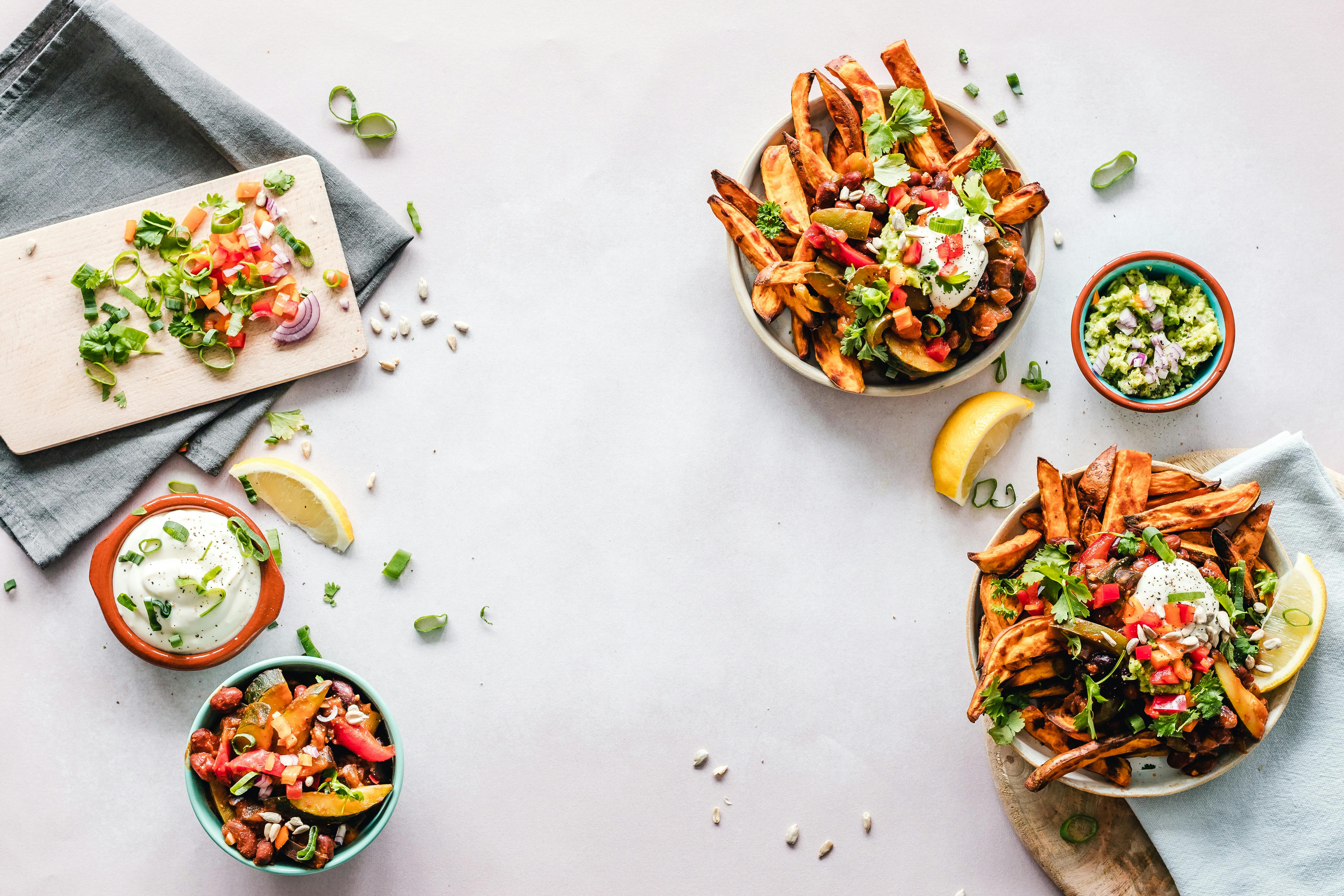
Adequate but not excessive dietary fat is the foundation. Very low fat diets actually worsen bile flow by failing to stimulate gallbladder contraction. Including some fat with each meal, particularly healthy fats like olive oil, avocado, nuts, and fatty fish, keeps the gallbladder exercised and bile flowing.
Bitter foods stimulate bile production and flow through sensing receptors on the tongue and in the digestive tract. Traditional cultures incorporate bitter foods at the start of meals specifically for this reason. Arugula, dandelion greens, radicchio, endive, bitter melon, and artichokes are good choices. Digestive bitters, herbal preparations taken before meals, work on the same principle.
Beetroot, whether eaten whole or juiced, supports liver function and bile flow. Beets contain betaine, a compound that supports liver methylation and bile production. Roasted beets, pickled beets, and beet juice are all useful options.
Apple cider vinegar before meals may improve bile flow, possibly through sensory stimulation similar to bitters. A tablespoon in a small glass of water before meals is a traditional approach.
Lemon juice in warm water upon waking is a classic bile support practice. The sour taste stimulates digestive juices and the water helps thin bile. This simple morning practice costs nothing and takes two minutes.
Cruciferous vegetables including broccoli, cauliflower, Brussels sprouts, and cabbage support phase two liver detoxification, which includes processes that prepare compounds for bile elimination. Eating a variety of these vegetables regularly supports overall hepatic function.
Hydration And Bile
Water is the base of bile. Staying well hydrated throughout the day supports bile production and flow. Aim for half your body weight in ounces of water daily as a starting point. Electrolyte balance matters too, as dehydration reflects not just water loss but mineral loss.
Warm drinks upon waking stimulate digestive function. Warm water with lemon, ginger tea, or herbal infusions like dandelion or milk thistle tea help start the day with bile flow support.
Supplements For Bile Support
Several supplements can support bile flow when dietary measures are insufficient. Choline, found in egg yolks and liver but often inadequate in modern diets, supports bile production. Phosphatidylcholine supplements provide bioavailable choline along with related phospholipids that support liver cell membranes.
Taurine, an amino acid, is required for bile acid production. Many people, especially those on vegetarian diets, may benefit from taurine supplementation for bile support. Doses of 500 to 2000 milligrams daily are commonly used.
Ox bile, derived from cattle, is used to supplement bile when production is inadequate. It is particularly useful after gallbladder removal when bile release is no longer regulated by meals. Start with low doses and adjust based on tolerance.
Milk thistle supports liver function and has some evidence for improving bile flow. Standardized extracts providing 70 to 80 percent silymarin are generally used at doses of 200 to 400 milligrams daily.
Beet root capsules or powder provide concentrated betaine and other beet compounds for people who do not eat beets regularly. Artichoke extract similarly provides concentrated bile stimulating compounds.
Bitters preparations, whether traditional European herbal bitters or other formulations, support bile flow through taste receptor stimulation. Take a dropperful in a small amount of water five to fifteen minutes before meals.
After Gallbladder Removal
People who have had their gallbladders removed face a specific bile challenge. Without the gallbladder as a reservoir, bile drips continuously from the liver into the small intestine rather than being released in response to meals. This can cause ongoing loose stools, particularly after fatty meals, and inadequate bile response when larger fat meals are eaten.
Ox bile supplementation with meals, particularly meals containing significant fat, helps mimic the original timing. Starting with a small dose and increasing as tolerated is the typical approach. Some people find they need bile support indefinitely while others adapt over time and can reduce or discontinue supplementation.
Dietary fat distribution becomes more important. Smaller fat amounts spread across multiple meals are better tolerated than occasional large fat meals. Fat soluble vitamin adequacy should be monitored, as absorption can be impaired.
The Exercise Connection
Physical activity supports bile flow through general effects on digestion and circulation. Sedentary people tend to have more sluggish digestion including bile flow. Even moderate daily walking improves digestive function compared to long sitting.
Specific exercises and body positions can support bile flow directly. Yoga poses that compress the right side of the abdomen, including twisting postures, may stimulate bile release. Rebounding on a mini trampoline is traditionally recommended for lymphatic flow and may benefit bile as well.
Abdominal massage in a clockwise direction following the colon can support bile flow and digestive motility generally. Castor oil packs over the liver area, applied with heat, are a traditional naturopathic practice that practitioners believe supports liver and bile function.
When To Seek Medical Evaluation
While much of bile support can be done through lifestyle and diet, certain symptoms warrant medical attention. Severe right upper abdominal pain, particularly after meals, could indicate gallstones requiring evaluation. Yellowing of skin or eyes is a serious sign requiring prompt attention. Persistent nausea, vomiting, or inability to keep food down needs evaluation.
Weight loss without trying, chronic diarrhea especially with fatty stools, and signs of fat soluble vitamin deficiency all warrant medical assessment. Blood tests showing elevated bilirubin, liver enzymes, or GGT should be investigated rather than just supported with supplements.
Bringing It Together
Bile flow is an underappreciated aspect of health that affects far more than just fat digestion. Sluggish bile contributes to hormonal imbalances, toxin accumulation, nutrient deficiencies, and small intestinal bacterial overgrowth alongside the obvious digestive symptoms. The good news is that bile flow is responsive to lifestyle and dietary interventions in most cases.
Including bitter foods, staying hydrated, eating adequate healthy fat, exercising regularly, and supporting liver function through general good nutrition form the foundation. For people with more significant bile issues, targeted supplements and occasionally medical evaluation add important pieces. If you have unexplained digestive, hormonal, or detoxification symptoms that have not responded to other approaches, looking at bile flow may be exactly the missing piece that brings things together.
Sources and Further Reading
Health and Beyond uses reputable medical and scientific sources where possible. These links support or expand on the topics discussed above.
- NCCIH: Complementary, Alternative, or Integrative Healthnccih.nih.gov
- NCCIH: Know the Sciencenccih.nih.gov