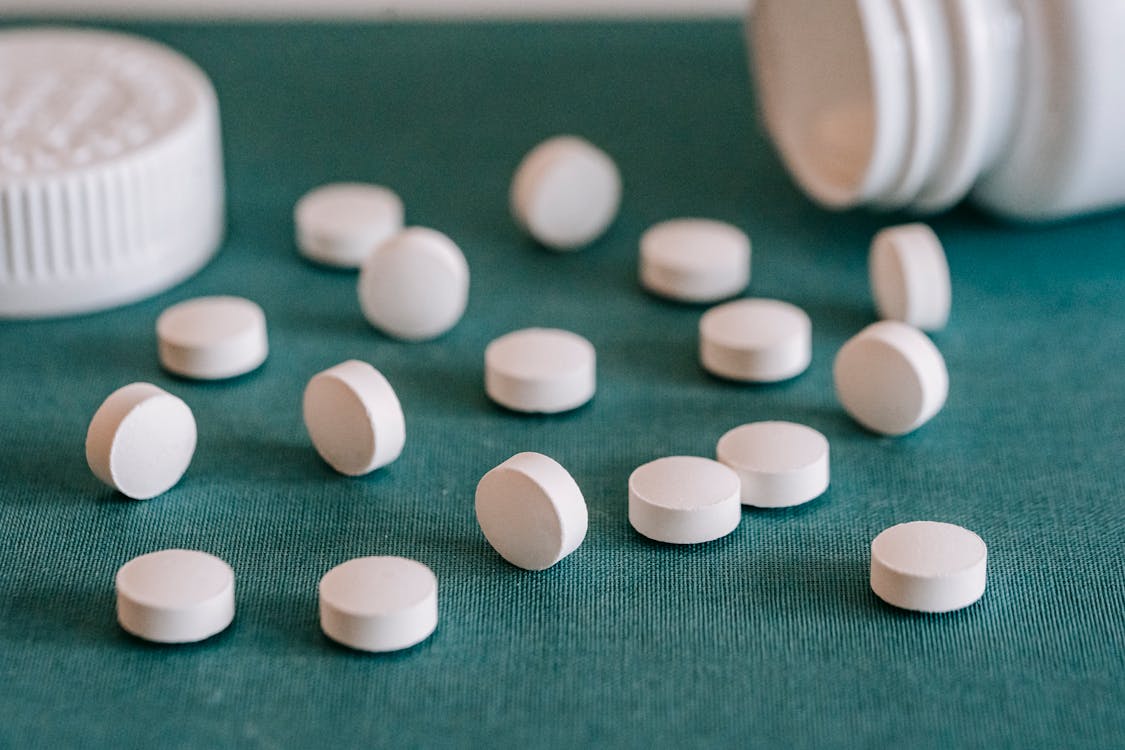
Ashwagandha has gone from an obscure Ayurvedic herb to one of the best-selling supplements in America, with sales growing over 150 percent in the past five years. Social media influencers credit it with transforming their stress levels, sleep quality, gym performance, and hormonal health. Supplement companies market it as a near-universal wellness solution.
But behind the hype sits a surprisingly substantial body of clinical research. Ashwagandha (Withania somnifera) is one of the most studied adaptogenic herbs, with over 50 randomized controlled trials examining its effects on various health outcomes. The results paint a picture that is more nuanced than the marketing but genuinely impressive for a botanical supplement — with clear strengths, honest limitations, and important safety considerations that informed consumers should understand.
What Ashwagandha Is and How It Works
Ashwagandha is a small woody shrub native to India and parts of Africa. It has been used in Ayurvedic medicine for over 3,000 years, traditionally classified as a rasayana — a rejuvenating tonic believed to promote physical and mental health, longevity, and vitality. The name translates loosely to "smell of the horse," referencing both the herb's distinctive aroma and the traditional belief that it confers the strength and vitality of a horse.
The plant's bioactive compounds — collectively called withanolides — are concentrated primarily in the root, though leaves also contain therapeutic amounts. Withanolide content varies between plant varieties and extraction methods, which explains why different ashwagandha products can produce different results despite carrying the same name.
Ashwagandha belongs to a class of herbs called adaptogens — substances that help the body adapt to stress by modulating the physiological stress response. The adaptogenic mechanism is thought to involve multiple pathways. Ashwagandha modulates the hypothalamic-pituitary-adrenal (HPA) axis, reducing cortisol production in chronically stressed individuals. It influences GABA receptors in the brain, producing calming effects similar in mechanism (though much milder in magnitude) to benzodiazepine medications. It provides antioxidant protection through withanolide compounds that scavenge free radicals. And it modulates inflammatory pathways, reducing chronic low-grade inflammation associated with stress-related health deterioration.
This multi-pathway mechanism helps explain why ashwagandha appears to benefit several different health outcomes simultaneously — it is not treating individual symptoms but rather addressing the underlying stress physiology that contributes to multiple problems.
Stress and Anxiety Reduction: The Strongest Evidence
The most robust clinical evidence for ashwagandha relates to its ability to reduce perceived stress and anxiety. Multiple well-designed trials support this application.
A landmark randomized, double-blind, placebo-controlled study published in the Journal of the American Nutraceutical Association examined 64 adults with chronic stress who received either 300 mg of ashwagandha root extract (KSM-66 brand) twice daily or placebo for 60 days. The ashwagandha group showed a 69 percent reduction in anxiety and insomnia scores on the Hamilton Anxiety Rating Scale compared to an 11 percent reduction in the placebo group. Serum cortisol levels decreased by 27.9 percent in the ashwagandha group versus 7.9 percent in the placebo group.
A systematic review and meta-analysis analyzing five randomized controlled trials with 400 participants found that ashwagandha supplementation significantly reduced anxiety scores on multiple validated psychological scales compared to placebo. The effect size was moderate and clinically meaningful — not as large as pharmaceutical anxiolytics but substantial for a botanical supplement.
Importantly, the stress reduction benefits appear to be most pronounced in chronically stressed individuals. People without significant stress may experience less noticeable effects, which makes biological sense — adaptogens are thought to restore balance in dysregulated systems rather than push already-balanced systems in a particular direction.
The cortisol reduction is particularly noteworthy. Chronically elevated cortisol contributes to abdominal fat accumulation, muscle breakdown, impaired immune function, poor sleep, cognitive dysfunction, and accelerated aging. Reducing cortisol through ashwagandha supplementation may provide downstream benefits across these domains, though each individual benefit requires its own evidence base.
Sleep Improvement
Sleep quality improvement is ashwagandha's second-best supported benefit, and it makes biological sense given the cortisol reduction mechanism — high cortisol is a major disruptor of sleep architecture.
A randomized controlled trial of 150 healthy adults and 150 adults with insomnia found that 120 mg of ashwagandha extract (standardized to 42 mg withanolides) taken daily for six weeks improved sleep quality scores by 72 percent in the insomnia group and by significant margins in the healthy group as well. Sleep onset latency (time to fall asleep) decreased, total sleep time increased, and sleep quality improved as measured by both self-report and actigraphy (wrist-worn sleep tracking).
According to the National Center for Complementary and Integrative Health, preliminary evidence supports ashwagandha's role in improving sleep, though they note that more research is needed to confirm these findings in larger populations.
The sleep benefits appear to be related to ashwagandha's GABAergic activity — its ability to enhance GABA signaling in the brain. GABA is the primary inhibitory neurotransmitter, and enhanced GABA activity promotes the calm, relaxed state necessary for sleep initiation. The compound triethylene glycol found in ashwagandha leaves has been identified as a specific sleep-inducing agent in animal studies.
For sleep applications, taking ashwagandha in the evening — approximately one to two hours before bedtime — appears to be the optimal timing strategy based on available research and clinical experience.
Athletic Performance and Body Composition
Ashwagandha's effects on physical performance and body composition have attracted significant interest from the fitness community, and the research provides meaningful support for these applications.
A study published in the Journal of the International Society of Sports Nutrition examined recreationally active men who received either 600 mg of ashwagandha root extract or placebo daily for eight weeks alongside a resistance training program. The ashwagandha group showed significantly greater increases in muscle strength (bench press and leg extension), muscle size (arm and chest), testosterone levels, and significantly greater reductions in exercise-induced muscle damage and body fat percentage compared to placebo.
Another trial examined 50 healthy athletic adults who received 300 mg of ashwagandha root extract (KSM-66) twice daily for 12 weeks. The supplementation group demonstrated significantly improved cardiorespiratory endurance as measured by VO2 max, along with improved quality of life scores.
The performance enhancement mechanisms likely involve multiple pathways. Cortisol reduction removes a major impediment to recovery and muscle protein synthesis — chronic cortisol elevation is directly catabolic, breaking down muscle tissue. Testosterone support (discussed below) enhances anabolic signaling. Antioxidant properties may reduce exercise-induced oxidative damage. And improved sleep quality (a well-documented ashwagandha benefit) enhances recovery processes that occur primarily during deep sleep.
Testosterone and Male Reproductive Health
Ashwagandha's effects on testosterone and male reproductive health represent one of its more intriguing applications, supported by multiple clinical trials.
A study of 46 men with low sperm count who received 675 mg of ashwagandha root extract daily for 90 days showed a 167 percent increase in sperm count, 53 percent increase in semen volume, and 57 percent increase in sperm motility compared to baseline. Testosterone levels also increased significantly. These dramatic improvements suggest meaningful effects on male reproductive physiology.
In overweight men aged 40 to 70 with mild fatigue, 600 mg of ashwagandha extract daily for eight weeks increased testosterone levels by approximately 15 percent compared to placebo. While 15 percent is modest, it is clinically meaningful for men in the lower range of normal who are experiencing symptoms.
Research from the Cleveland Clinic notes that ashwagandha may support male hormonal health through cortisol reduction (cortisol and testosterone have an inverse relationship), antioxidant protection of testicular tissue, and direct effects on luteinizing hormone signaling.
The testosterone effects appear most significant in men who are stressed, overweight, or have suboptimal baseline testosterone. Men with already-healthy testosterone levels in the mid-to-upper normal range are less likely to see dramatic increases.
Cognitive Function and Neuroprotection
Emerging evidence suggests ashwagandha may benefit cognitive function, though this area of research is less mature than the stress and performance domains.
A randomized trial of 50 adults found that 300 mg of ashwagandha root extract twice daily for eight weeks improved immediate and general memory, attention, and information processing speed compared to placebo. The cognitive improvements correlated with reductions in serum cortisol, suggesting that the cognitive benefits may be mediated partly through stress reduction.
Animal studies have demonstrated neuroprotective properties of withanolides, including inhibition of beta-amyloid plaque formation (relevant to Alzheimer's disease), enhanced BDNF (brain-derived neurotrophic factor) levels, and protection against oxidative damage to brain tissue. While animal findings do not directly translate to humans, they provide biological plausibility for the cognitive benefits observed in clinical trials.
The cognitive applications are particularly relevant for individuals whose mental performance suffers under chronic stress — a common and underappreciated phenomenon. Cortisol-mediated hippocampal damage is well-documented in chronically stressed individuals, and ashwagandha's cortisol-reducing effects may protect this brain region responsible for memory and learning.
Choosing the Right Form and Dose
Ashwagandha supplements come in various forms, and the type and dose influence results significantly.
Standardized root extracts are the most well-studied form. KSM-66 (standardized to at least 5 percent withanolides) and Sensoril (standardized to at least 10 percent withanolides from both root and leaf) are the two branded extracts most commonly used in clinical trials. Products using these standardized extracts provide the most direct connection to published research.
Dosing varies by extract type. KSM-66 is typically dosed at 300 to 600 mg daily, often divided into two doses. Sensoril is typically dosed at 125 to 250 mg daily due to its higher withanolide concentration. Raw ashwagandha root powder requires significantly higher doses (1 to 6 grams daily) to achieve comparable effects, as it contains lower withanolide concentrations than standardized extracts.
Timing depends on the intended benefit. For stress and anxiety, splitting the dose between morning and evening provides consistent throughout-the-day support. For sleep, taking the full dose in the evening enhances the sleep-promoting effects. For athletic performance, taking ashwagandha consistently daily (timing is less critical for this application) for at least eight weeks is needed to see meaningful results.
Safety, Side Effects, and Drug Interactions
Ashwagandha's safety profile in clinical trials has been generally favorable, with most studies reporting mild side effects comparable to placebo. However, important considerations exist.
Gastrointestinal effects including mild nausea, stomach upset, and diarrhea are the most commonly reported side effects, occurring in approximately 5 to 10 percent of users. Taking ashwagandha with food typically reduces GI symptoms.
Thyroid effects require attention. Ashwagandha appears to increase thyroid hormone levels (T3 and T4), which can be beneficial for individuals with subclinical hypothyroidism but problematic for those with hyperthyroidism or those taking thyroid medication. Anyone with thyroid conditions should consult their endocrinologist before using ashwagandha.
Liver toxicity cases have been reported in post-marketing surveillance, though they are rare and causation is not definitively established. The cases typically involved high doses or prolonged use. Individuals with liver conditions or those taking hepatotoxic medications should exercise caution.
Drug interactions include potential enhancement of sedative effects when combined with benzodiazepines, sleep medications, or alcohol. Ashwagandha may also potentiate the effects of immunosuppressive drugs, thyroid medications, and blood sugar-lowering medications.
Pregnancy and breastfeeding are contraindications. Traditional Ayurvedic texts classified ashwagandha as potentially abortifacient, and modern safety data during pregnancy is insufficient.
Cycling ashwagandha — taking it for eight to twelve weeks followed by a two to four week break — is commonly recommended by practitioners to prevent tolerance development and potential long-term effects, though this practice is based on clinical tradition rather than specific research evidence.
Ashwagandha represents one of the more evidence-supported botanical supplements available, with clear benefits for stress management, sleep quality, physical performance, and male reproductive health. Used appropriately — at studied doses, with awareness of safety considerations, and with realistic expectations — it is a valuable tool in the broader wellness toolkit.
Sources and Further Reading
Health and Beyond uses reputable medical and scientific sources where possible. These links support or expand on the topics discussed above.
- Journal of the American Nutraceutical Associationpubmed.ncbi.nlm.nih.gov
- National Center for Complementary and Integrative Healthnccih.nih.gov
- Cleveland Clinicmy.clevelandclinic.org