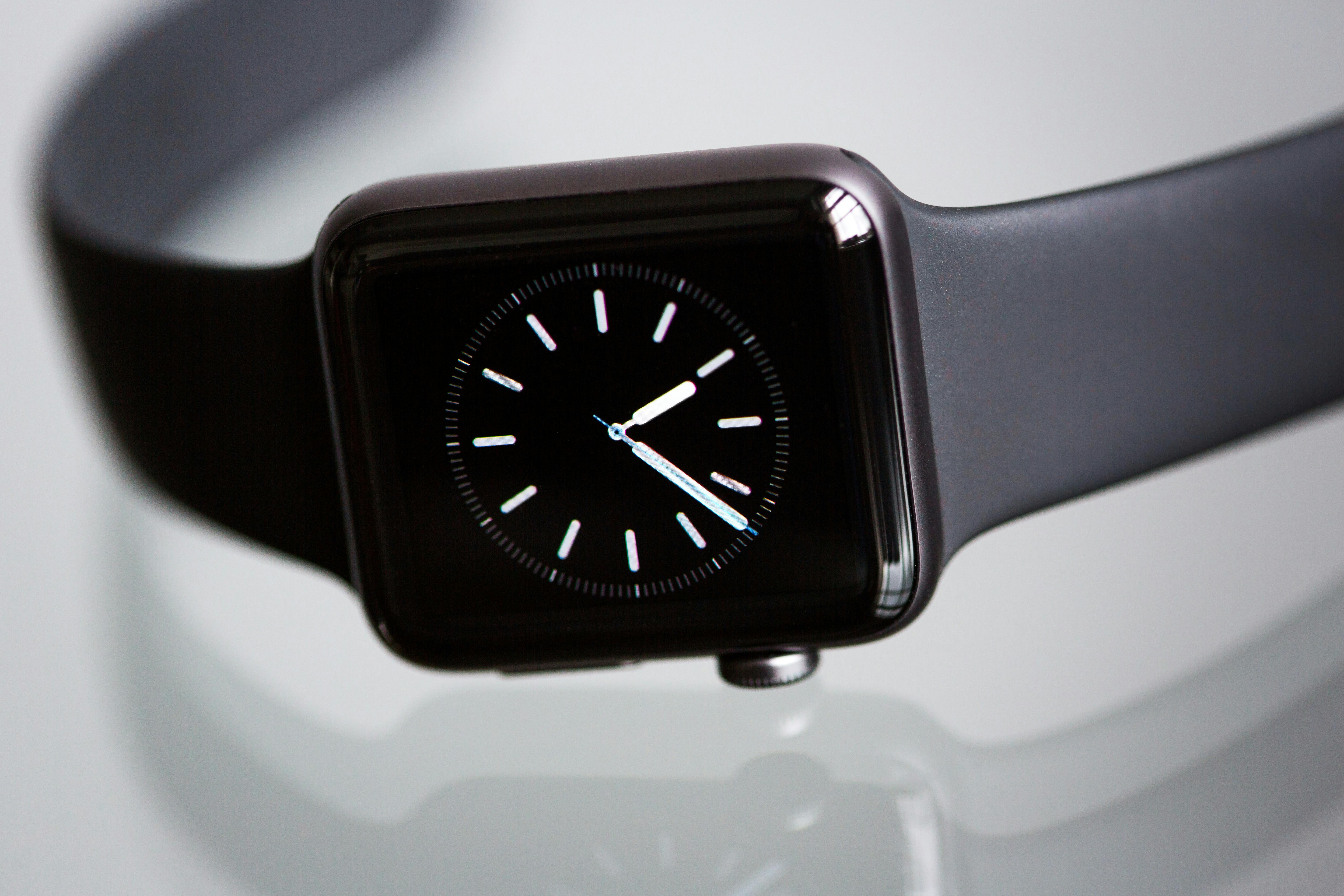
A decade ago, heart rate variability, or HRV, was a metric known mostly to cardiologists and elite athletes. Today it shows up on smartwatches, recovery apps, and training plans for weekend warriors. Oura rings and Whoop bands turn HRV into a daily number on your wrist. Coaches and biohackers argue about it. Yet most people with access to the data do not quite know what HRV is, what it actually tells them, or how to act on it.
HRV is arguably the single most useful non invasive window into the state of the autonomic nervous system. It captures the balance between stress and recovery in a way that resting heart rate alone cannot. Higher tends to be better. Tracking it over time reveals patterns that snapshots do not.
This guide explains what HRV actually measures, what influences it, how to interpret changes, and evidence based ways to improve it over weeks and months.
What HRV Actually Is
Heart rate is usually thought of as a single number, like 65 beats per minute. In reality, the time between individual heartbeats varies constantly. The interval between beat one and beat two might be slightly different than between beat two and beat three. These small variations are HRV.
A healthy heart does not tick like a metronome. It responds moment to moment to breathing, movement, emotion, and internal signals. When the parasympathetic nervous system, the rest and digest branch, is active, heart rate slows during exhales and speeds during inhales, creating rhythmic variability. When the sympathetic nervous system, the fight or flight branch, dominates, this variability shrinks and heart rate becomes more uniform.
So HRV measures nervous system flexibility. High HRV typically indicates the parasympathetic system is working well and the body is in a recovered, adaptive state. Low HRV often indicates sympathetic dominance, stress, or incomplete recovery.
HRV is typically measured as RMSSD, which is the root mean square of successive differences between heartbeats, in milliseconds. It is sometimes reported as a different metric or as a relative score. Smartwatches usually display an RMSSD value or a derivative of it.
Normal HRV varies enormously person to person. A healthy young athlete might have RMSSD over 100. A stressed middle aged adult might have RMSSD of 20. An older adult with cardiovascular disease might have even lower values. The absolute number matters less than trends in your own data over time.
What Influences HRV
Many factors affect HRV, some in the moment and some over longer periods.
Sleep quality and duration strongly influence next day HRV. Poor sleep, late bedtime, or fragmented sleep typically lower HRV the following morning.
Alcohol is one of the fastest ways to crash HRV. Even a couple of drinks noticeably reduces next day values. Heavy drinking hits HRV hard for multiple days.
Stress, both acute and chronic, lowers HRV. A difficult workweek, an argument, financial pressure, or other stress shows up in the data.
Intense exercise acutely lowers HRV. After a hard training session, HRV is often suppressed for 12 to 48 hours as the body recovers. This is expected and healthy. Chronic overtraining, where HRV fails to rebound between sessions, signals the training load is too high.
Illness, even subclinical, often drops HRV before other symptoms appear. Many users notice lower values a day or two before a cold or flu develops.
Hydration and nutrition influence HRV. Dehydration, large late meals, and poor diet all tend to reduce it.
Late eating, particularly near bedtime, disrupts digestion overnight and often lowers HRV.
Menstrual cycles influence HRV in predictable ways. Luteal phase often shows lower HRV and higher resting heart rate than follicular phase. Tracking alongside cycle data helps make sense of the pattern.
Altitude, travel, heat, and cold all produce measurable HRV shifts.
Emotional state and mental load matter. A stressful meeting, anxious rumination, or emotional conflict all suppress HRV.
Breath patterns affect HRV substantially. Slow paced breathing increases HRV acutely. Fast shallow breathing reduces it.
Genetics set a baseline that training can modify within limits.
What HRV Can and Cannot Tell You
HRV is a useful metric. It has limits.
It is a general readiness indicator. Low HRV on a given morning does not tell you exactly what caused it. It could be poor sleep, late alcohol, a hard workout yesterday, an incoming cold, or stress. Context matters.
It is most useful as a personal trend, not a comparison. Your HRV compared to someone else means little. Your HRV compared to your own seven day or thirty day average means a lot.
Single day readings fluctuate. Not every low day means something is wrong. Three to five days of clearly suppressed values tell a more meaningful story.
HRV does not diagnose medical conditions. It does not replace clinical assessment. Dramatic or persistent changes warrant discussion with a clinician, not app based conclusions.
HRV does not tell you how good your workout will be, how productive your day will be, or whether you should eat more carbs. Many apps make overly specific recommendations that go beyond what the data actually supports.
The most useful interpretation is simple. Consistently high HRV for you means you are recovering well, sleep is good, training load is reasonable, stress is manageable. Consistently low HRV for you means something is consistently demanding of your system and is worth examining.
How To Measure It
Consumer wearables vary in HRV measurement quality. In general, devices that measure during nightly sleep tend to produce more reliable trend data than spot checks during the day. Apps include Oura ring, Whoop strap, Garmin watches, Apple Watch with Breathe app, Fitbit Sense, and dedicated HRV apps like HRV4Training and Elite HRV that use phone camera or chest strap.
Chest straps, such as those from Polar or Garmin, produce the most accurate HRV data by directly measuring electrical heart activity. Wrist optical sensors are less precise but adequate for trend tracking.
For best data, measure consistently. Morning measurement before getting out of bed, or during sleep if the device supports it, gives the cleanest baseline less influenced by recent activity.
Do not obsess over single day numbers. Watch for rolling averages and significant deviations from your personal norm.
Ways To Improve HRV Over Time
The good news is HRV is trainable. Consistent habits over weeks and months raise baseline values. Here is what the evidence supports.
Sleep is the single biggest lever. Improving sleep duration, consistency, and quality improves HRV measurably. Regular bedtime and wake time, cool dark bedroom, limiting screens before bed, and reducing evening alcohol and late caffeine all contribute.
Regular moderate cardio raises baseline HRV. Zone two or conversational pace training for 150 or more minutes weekly, consistently over months, builds the cardiovascular base that supports autonomic function.
Strength training complements cardio for overall health and, indirectly, HRV.
Avoid chronic overtraining. A smart training program balances stress and recovery. HRV data can help identify when training load is excessive by showing suppressed values that do not rebound.
Breath work has acute and cumulative effects. Slow paced breathing at about six breaths per minute for ten to twenty minutes daily raises both immediate and baseline HRV over weeks. This is one of the fastest ways to influence HRV deliberately.
Meditation and mindfulness practices, done regularly, show HRV benefits in research.
Limit alcohol. Reducing or eliminating alcohol is among the most reliable ways to raise HRV. Many people who cut drinking see dramatic improvements within weeks.
Eat well and not too late. A whole foods diet with adequate protein, plenty of produce, and minimal ultra processed foods supports HRV. Finishing eating two to three hours before bed allows digestion to complete before sleep.
Stay hydrated throughout the day.
Manage stress deliberately. Therapy, journaling, time in nature, relationships that nourish, hobbies, prayer or meditation, and time away from screens all support the nervous system.
Spend time outside, particularly in daylight within an hour of waking. This regulates circadian rhythm, which supports sleep and HRV.
Use sauna if available. Regular sauna use has cardiovascular benefits that include improved HRV in some studies.
Cold exposure, for people who tolerate it well, can acutely raise HRV afterward through parasympathetic rebound.
Manage inflammation through diet, movement, sleep, and stress reduction. Chronic inflammation tends to suppress HRV.
Maintain strong social connection. Loneliness correlates with lower HRV. Community protects physical and mental health in measurable ways.
Address medical issues. Sleep apnea, thyroid problems, persistent infections, and other conditions can suppress HRV. Treatment helps.
Using HRV Without Becoming a Slave To It
The biggest pitfall of HRV tracking is becoming hyper focused on the daily number. Obsessive checking, adjusting whole life plans based on one reading, and feeling anxious when the number is low defeat the purpose.
Use HRV as an overview indicator. Check it a few times a week, or look at weekly averages rather than daily swings. Notice large deviations. Ask what might have driven them. Adjust where useful.
Do not skip a planned workout because HRV was slightly below average. A multi day pattern of suppression is more meaningful than a single dip.
Do not eat differently, skip work, or change major plans based on one number. Life inputs HRV, not the other way around.
Sleep, eat well, move regularly, manage stress, and let HRV trends confirm whether your habits are supporting you. If trends are improving, keep going. If they are declining, look at what is changing in life.
Special Considerations
Athletes use HRV to guide training load. Apps like HRV4Training offer daily readiness recommendations. Used appropriately alongside subjective feel and performance data, HRV can prevent overtraining and support peak performance.
Older adults typically have lower HRV than younger people. This is normal. Within age appropriate ranges, trends still matter.
People with cardiovascular conditions have unique patterns. Consult with a cardiologist about what HRV data means in your case.
Medications, particularly beta blockers, affect HRV and resting heart rate. Interpret trends in context.
Pregnancy dramatically shifts HRV. Normal ranges during pregnancy differ from baseline. Do not compare to pre pregnancy numbers.
The Bigger Picture
HRV is a convenient window into how your nervous system is handling life. Higher tends to mean more recovered, more resilient, more ready. Lower tends to mean something is demanding of the system.
The best uses of HRV are modest. Track trends. Use significant deviations as a prompt to check in with yourself. Let consistent patterns guide broader habit decisions. Do not let it become an anxiety source.
Most of the actions that raise HRV are actions that improve life in other ways. Better sleep. More cardio. Less alcohol. More time outside. Deeper breathing. Closer relationships. Fewer late nights. Less chronic stress. HRV improvement is really a downstream effect of taking better care of yourself.
The number on your wrist is not the goal. It is a mirror. What it reflects is often what you already suspected. The practical use is that it keeps you honest.
Sources and Further Reading
Health and Beyond uses reputable medical and scientific sources where possible. These links support or expand on the topics discussed above.
- CDC: About Heart Diseasecdc.gov
- NHLBI: Heart and Vascular Diseasesnhlbi.nih.gov